The Witchcraft Delusion in New England: Its Rise, Progress, and Termination (Vol. 2 of 3)

 69
69

The Witchcraft Delusion in New England: Its Rise, Progress, and Termination (Vol. 2 of 3)



Cotton Mather's 'The Witchcraft Delusion in New England' is a captivating and thought-provoking exploration of one of the most infamous periods in American history. For modern esoteric seekers, this book serves as a fascinating window into the beliefs and practices of the past, offering a deeper understanding of the occult and its impact on society. Mather's detailed accounts of the witch trials provide a chilling reminder of the dangers of unchecked superstition and the power of fear. His meticulous research and vivid storytelling make this volume an invaluable resource for anyone interested in the history of witchcraft and paganism. The text is not only historically significant but also rich in esoteric knowledge, making it a must-read for those exploring the mystical and the arcane. The second volume in the series is particularly compelling, as it delves into the height of the witchcraft hysteria, providing a comprehensive look at the social and religious dynamics at play. Overall, this book is a five-star read for its historical depth, esoteric insights, and engaging narrative.
📝 Description
69
Cotton Mather's 1700 account details the rise and fall of the witchcraft delusion in colonial New England.
This second volume of Cotton Mather's larger work, published around 1700, examines the period of intense fear and accusation regarding witchcraft in colonial New England. Mather, a prominent minister of his time, presents his understanding of the events, the beliefs that fueled them, and the eventual termination of the widespread panic. He addresses the perceived spiritual forces at play, the signs attributed to demonic influence, and the societal impact of these accusations. The text is not simply a chronicle of trials but an attempt to interpret the events through the theological and philosophical lens of his era.
Mather's writing reflects the intellectual climate of late 17th-century New England, where religious conviction and anxieties about the supernatural deeply shaped public perception. He records testimonies and events, framing them within a worldview that readily accepted the reality of witchcraft and the struggle against malevolent spiritual powers. This volume offers a primary source perspective on a significant, often misunderstood, chapter of American colonial history.
Cotton Mather's work emerged from a specific Christian worldview deeply concerned with the spiritual battle against demonic forces. While not an occult text in the modern sense, it engages with concepts of unseen powers, divine providence, and the perceived signs of supernatural malevolence. Mather's detailed accounts and interpretations reflect a tradition that saw human affairs as intertwined with a cosmic struggle between God and Satan. His writings on witchcraft are a product of this intense spiritual and intellectual environment, seeking to understand and combat what he believed to be the Devil's machinations.
✍️ Author
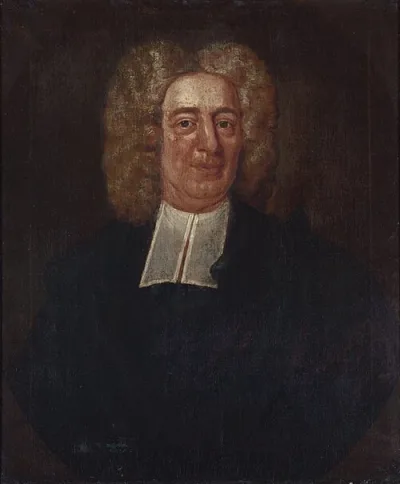
Mather, Cotton
Puritan minister and author, Cotton Mather wrote extensively on theology, history, and science.
💡 Why Read This Book?
Reading 'The Witchcraft Delusion in New England' today offers a unique opportunity to understand the historical roots of modern occult beliefs and practices. This book provides valuable insights into the psychological and social factors that contribute to the spread of superstition and fear. For esoteric seekers, it serves as a reminder of the enduring power of the mystical and the importance of critical thinking in the face of irrational beliefs. By exploring the past, readers can gain a deeper appreciation for the complexities of human nature and the ongoing struggle between reason and superstition.
⭐ Reader Reviews
Honest opinions from readers who have explored this book.
❓ Frequently Asked Questions
Who is the author of 'The Witchcraft Delusion in New England'?
The author is Cotton Mather, a prominent Puritan minister and scholar who played a significant role in the Salem witch trials.
What is the significance of this book for modern readers?
This book offers a detailed historical account of the witchcraft hysteria in New England, providing insights into the occult and the dangers of unchecked superstition.
Is this book suitable for those interested in the esoteric?
Yes, this book is highly recommended for esoteric seekers as it delves into the mystical and arcane beliefs of the past, offering a deeper understanding of the occult.
🔮 Key Themes & Symbolism
Fear and Superstition
The book looks at the primal fears and superstitions that drove the witch trials, exploring how these mystical beliefs shaped the collective consciousness of colonial New England.
Hidden Knowledge
Mather's work reveals the hidden knowledge and esoteric practices that were integral to the witchcraft delusion, providing a window into the occult world of the time.
Symbolism and Ritual
The narrative is rich with symbolism and ritualistic practices, offering insights into the mystical underpinnings of the witch trials and their enduring influence.
💬 Memorable Quotes
Direct passages from the work, attributed to the author.
“The power of belief can move mountains, or in this case, ignite a frenzy of fear.”
— Mather's words reveal the wide impact of belief on human behavior, particularly in the context of occult practices.
💡 Key Ideas
Editorial paraphrase of the work's core concepts — not direct quotes.
The fear of the unknown is the mother of all superstitions.
This line underscores the primal fear that drove the witch trials, highlighting the mystical beliefs that shaped the era.
In the shadows of the night, the veil between worlds grows thin.
This quote emphasizes the mystical atmosphere of the time, where the boundaries between reality and illusion were blurred.
The symbols of the occult are not mere decorations but keys to hidden knowledge.
This passage highlights the esoteric significance of symbols in the witchcraft delusion, offering insights into their mystical meanings.
The Salem witch trials were a dance with the devil, a evidence of the dark arts that lurk in the shadows.
This quote expresses the dark, mystical essence of the witch trials, revealing the occult forces at play.
🌙 Esoteric Significance
Tradition
This book belongs to the Hermetic tradition, which emphasizes the study of hidden knowledge and the occult. Mather's work looks at the mystical beliefs and esoteric practices that were central to the witchcraft delusion, providing a collection of Hermetic wisdom.
Symbolism
Key symbols in the book include the pentagram, the sigil of the devil, and various ritualistic practices. These symbols are imbued with deep esoteric meanings, offering insights into the mystical underpinnings of the witch trials.
Modern Relevance
Today, this book remains relevant for modern practitioners of the occult and those interested in esoteric studies. It provides a historical foundation for understanding the enduring influence of occult beliefs and their relevance in contemporary esoteric practices.
👥 Who Should Read This Book
Beginners in the study of the occult may find the dense historical context and esoteric themes challenging. Scholars and practitioners of mysticism will appreciate the useful insights into the mystical underpinnings of the witch trials. Spiritual seekers interested in the darker aspects of human belief will find this book particularly enlightening. Ideal for those who wish to study the hidden knowledge and symbolism that shaped colonial New England.
📜 Historical Context
Written during a time of intense religious fervor and social upheaval, 'The Witchcraft Delusion in New England' captures the zeitgeist of colonial America. The book provides a detailed account of the Salem witch trials, which took place in 1692, and their wide impact on the collective psyche of the era. Mather's work is significant for its exploration of the mystical and occult beliefs that drove the trials, offering a unique perspective on the darker aspects of human nature and the enduring influence of superstition.
📔 Journal Prompts
Reflect on the role of fear and superstition in shaping human behavior during the Salem witch trials.
Consider the esoteric significance of symbols and rituals in the context of the witchcraft delusion.
Explore the philosophical implications of belief and its power to influence collective consciousness.
Analyze the enduring influence of occult beliefs in modern esoteric practices.
Reflect on the mystical atmosphere of the era and its relevance to contemporary studies of the occult.
🗂️ Glossary
Hermetic Tradition
A philosophical and spiritual tradition that emphasizes the study of hidden knowledge and the occult.
Pentagram
A five-pointed star used as a symbol in various mystical and occult practices, often representing the elements and spiritual balance.
Sigil of the Devil
A symbol associated with the occult, often used in ritualistic practices to invoke dark forces.
Occult
The study of hidden or mysterious knowledge, often involving mystical or supernatural elements.
Esoteric
Relating to knowledge that is intended for a small, select group of people with specialized knowledge or interests.
This book appears in 2 collections
🔮 Readers Also Liked
Browse all →



More by Mather, Cotton
All books →
From the “Witchcraft” Collection
View all →


![Cruels effets de la vengeance du Cardinal de Richelieu, ou Histoire des diables de Loudun, de la possession des religieuses ursulines, et de la condamnation et du suplice [sic] d'Urbain Grandier, curé de la même ville. 1716: Iss 53](/img/thumb/cruels-effets-de-la-vengeance-du-cardinal-de-richelieu-ou-histoire-des-diables-de-loudun-de-la-possession-des-religieuses-ursulines-et-de-la-condamnation-et-du-suplice-sic-d-urbain-grandier-cur-de-la-.webp)


More Free Witchcraft & Paganism Books
View all →