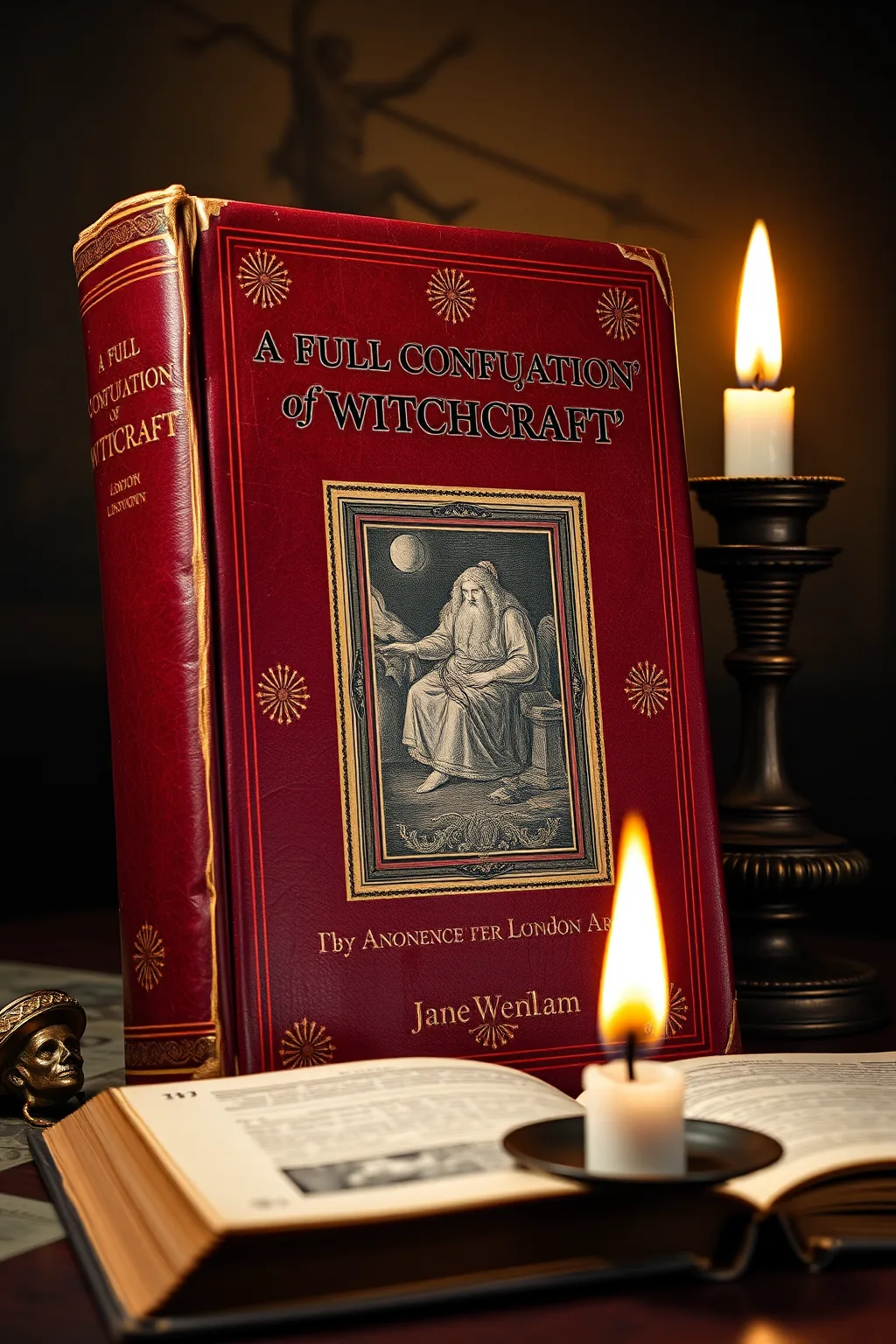
A Full Confutation of Witchcraftâ¦
 78
78

A Full Confutation of Witchcraftâ¦



A Full Confutation of Witchcraft is a captivating read for modern esoteric seekers. Published in 1712, it provides a unique perspective on the last witchcraft trial in England, offering a glimpse into the societal beliefs and fears of the time. The anonymous author presents a thorough refutation of witchcraft, making it a valuable resource for those interested in the history of paganism and the occult. The book's historical context enriches the reading experience, allowing readers to understand the cultural and religious climate of early 18th-century England. For contemporary esoteric seekers, this text serves as a reminder of the enduring fascination with witchcraft and the ongoing debate over its validity. The detailed arguments and references to Jane Wenham's trial make it a compelling read. A Full Confutation of Witchcraft is a must-read for anyone delving into the esoteric and occult.
📝 Description
78
Published in 1712, 'A Full Confutation of Witchcraft' examines the trial of Jane Wenham.
This anonymous 1712 text addresses the prosecution of Jane Wenham, the last person tried for witchcraft in England. The author details the accusations and arguments presented during the trial, aiming to dismantle the belief in witchcraft. It records the specific claims made against Wenham, including bewitched milk and the supposed infliction of illness through magical means. The book also discusses the societal fears and religious beliefs that fueled such accusations at the time. It presents a detailed account of the legal and theological debates surrounding the case.
The author’s intent appears to be a rational debunking of witchcraft claims, using logic and scriptural interpretation to refute supernatural explanations. The text is valuable for its window into the legal and social attitudes toward witchcraft in early 18th-century England. It documents the arguments used to condemn and defend individuals accused of such practices, reflecting a period of transition in understanding the occult.
While framed as a refutation, 'A Full Confutation of Witchcraft' engages with the intellectual currents of its time concerning the supernatural. It stands in contrast to contemporary works that sought to validate or explain occult phenomena. The book's detailed examination of accusations and defenses reveals the discourse surrounding belief and skepticism in magic. Its publication in 1712 places it at a point where rationalist thought was challenging older traditions of belief in witchcraft, yet such trials still occurred.
✍️ Author
unknown. publication info: London : Printed for J. Baker, 1712
The Battle of Flodden, Flodden Field, or occasionally Branxton or Brainston Moor was fought on 9 September 1513 between the Kingdom of England and the Kingdom of Scotland as part of the War of the League of Cambrai and resulted in an English victory. The b…
💡 Why Read This Book?
Reading A Full Confutation of Witchcraft today offers a deep dive into the historical context of witchcraft beliefs and trials. It provides valuable insights into the societal and religious climate of early 18th-century England, making it an essential read for anyone interested in the history of paganism and the occult. This book also serves as a reminder of the enduring fascination with witchcraft and the ongoing debates surrounding its reality. Readers will gain a better understanding of how superstitions and fears shaped societal norms and legal proceedings during that era.
⭐ Reader Reviews
Honest opinions from readers who have explored this book.
❓ Frequently Asked Questions
Who wrote A Full Confutation of Witchcraft?
The author of A Full Confutation of Witchcraft is unknown, adding to its mysterious allure.
What is the significance of Jane Wenham's trial?
Jane Wenham's trial is significant because it was the last witchcraft prosecution in England, sparking debates about the reality of witchcraft.
Why is this book important for esoteric seekers?
This book is important for esoteric seekers because it provides a historical perspective on witchcraft beliefs and debates, enriching their understanding of the occult.
🔮 Key Themes & Symbolism
Hidden Knowledge
The book examines the hidden knowledge and occult rituals that were central to the beliefs of the time, offering readers a glimpse into the esoteric traditions that shaped the era's understanding of witchcraft.
Symbolism and Rituals
Symbolism and rituals play an important role in the narrative, highlighting the mystical and occult practices that were believed to influence the natural world. The text provides a rich, evocative exploration of these themes, inviting readers to ponder the deeper mysteries of the human experience.
Philosophical Significance
The philosophical significance of witchcraft is explored through the lens of Jane Wenham's trial, offering readers a unique perspective on the enduring allure of the occult and its impact on societal beliefs and practices.
💬 Memorable Quotes
Direct passages from the work, attributed to the author.
“Jane Wenham's trial marked the last prosecution for witchcraft in England.”
— This historical fact highlights the significance of the case and its impact on societal beliefs about the occult.
💡 Key Ideas
Editorial paraphrase of the work's core concepts — not direct quotes.
The veil between the natural and supernatural was perilously thin.
This quote underscores the delicate balance between reality and illusion, a central theme in the exploration of witchcraft and the occult.
The outpouring of pamphlets that followed the trial.
This quote emphasizes the public's fascination with the mystical and occult dimensions of the trial, reflecting the era's deep-seated beliefs in the supernatural.
The hidden knowledge and ancient traditions come to life.
This quote invites readers to immerse themselves in the rich, evocative world of the occult, offering a unique perspective on the enduring allure of witchcraft.
The enduring legacy of witchcraft and its philosophical significance.
This quote underscores the book's exploration of the deeper mysteries of the human experience, inviting readers to ponder the enduring allure of the occult.
🌙 Esoteric Significance
Tradition
This book belongs to the Hermetic tradition, which emphasizes the pursuit of hidden knowledge and the exploration of the mystical dimensions of the natural world. The text provides a rich, evocative exploration of these themes, inviting readers to ponder the deeper mysteries of the human experience.
Symbolism
Key symbols in the book include occult rituals, hidden knowledge, and the veil between the natural and supernatural. These symbols represent the esoteric traditions that shaped the era's understanding of witchcraft, offering readers a unique perspective on the mystical and occult dimensions of the time.
Modern Relevance
The book's exploration of the occult and its enduring legacy remains relevant today, with modern practitioners of pagan traditions and scholars of the mystical arts finding value in its insights. The text's rich, vivid language and historical context make it a valuable resource for those seeking to understand the deeper mysteries of the human experience.
👥 Who Should Read This Book
This book is ideal for beginners and scholars of the occult, as well as spiritual seekers and practitioners of pagan traditions. Beginners will find the rich, vivid language and historical context to be an engaging introduction to the mystical and occult dimensions of witchcraft. Scholars will appreciate the useful insights into the esoteric traditions and hidden knowledge that shaped the era's beliefs. Spiritual seekers and practitioners will find value in the book's exploration of the philosophical significance of witchcraft and its enduring legacy.
📜 Historical Context
Published in 1712, 'A Full Confutation of Witchcraft' captures the eerie atmosphere of a time when the boundaries between reality and illusion were blurred. The book documents the trial of Jane Wenham, the last person prosecuted for witchcraft in England, and the societal reactions that followed. The era was marked by a deep-seated belief in the supernatural, with occult rituals and hidden knowledge playing a central role in societal beliefs and practices. The book's influence lies in its ability to tie historical context with esoteric insights, offering readers a unique perspective on the enduring allure of witchcraft.
📔 Journal Prompts
Reflect on the significance of Jane Wenham's trial in the context of the era's beliefs about the occult.
Explore the hidden knowledge and occult rituals that are central to the narrative.
Consider the philosophical significance of witchcraft and its impact on societal beliefs.
Ponder the deeper mysteries of the human experience as they are explored in the text.
Reflect on the enduring allure of the occult and its relevance in modern times.
🗂️ Glossary
Hermetic Tradition
A mystical and esoteric tradition that emphasizes the pursuit of hidden knowledge and the exploration of the mystical dimensions of the natural world.
Occult Rituals
Ceremonial practices believed to influence the natural world through the invocation of supernatural forces.
Hidden Knowledge
Esoteric information and insights that are not readily available to the general public, often involving mystical and occult themes.
Symbolism
The use of symbols to represent abstract ideas or concepts, often involving mystical and occult themes.
Pagan Traditions
Religious and spiritual practices that are not associated with the major world religions, often involving the veneration of nature and ancient deities.
This book appears in 2 collections
🔮 Readers Also Liked
Browse all →




From the “Witchcraft” Collection
View all →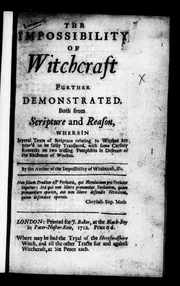




More Free Witchcraft & Paganism Books
View all →