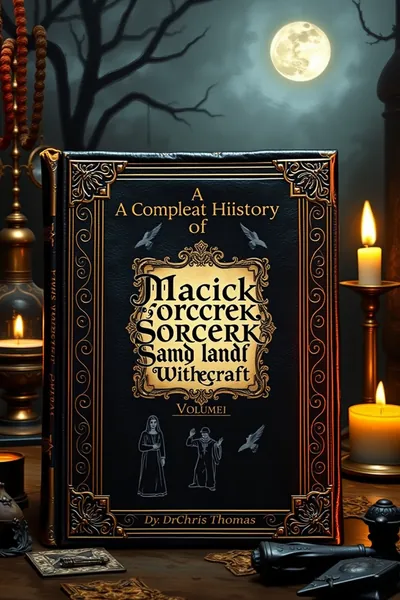
A compleat history of magick, sorcery, and witchcraft; ... 1715: Vol 1

 82
82

A compleat history of magick, sorcery, and witchcraft; ... 1715: Vol 1


Richard Boulton's A Compleat History of Magick, Sorcery, and Witchcraft; ... 1715: Volume 1 is a fascinating journey into the mystical and occult traditions of the early 18th century. The book's strength lies in its detailed and thorough exploration of magical practices, sorcery, and witchcraft, providing a comprehensive overview that is both informative and engaging. Boulton's writing style is clear and accessible, making complex esoteric concepts understandable to a wide audience. For modern esoteric seekers, this text is an invaluable resource, offering a historical perspective that enriches contemporary understanding of magical traditions. The book's historical context and meticulous research make it a standout work in the field of occult literature.
📝 Description
82
Richard Boulton's 1715 'A Compleat History of Magick, Sorcery, and Witchcraft' Vol 1 examines early modern occult beliefs.
Published in 1715, Richard Boulton's 'A Compleat History of Magick, Sorcery, and Witchcraft,' Volume 1, attempts to catalog occult beliefs prevalent in the early 18th century. The work details various forms of magic, sorcery, and witchcraft as understood during its time. Boulton addresses the historical context and popular perceptions of these practices, drawing on earlier accounts and contemporary views. It includes discussions on demonology, charms, and the societal fears surrounding alleged practitioners.
The book is structured to present a comprehensive overview of the subject matter, covering beliefs that spanned from ancient times through the medieval period into the author's present. Boulton’s approach is descriptive rather than prescriptive, aiming to inform the reader about the history and nature of these arts as they were commonly perceived. It serves as a record of occult folklore and belief systems of the era.
This work emerges from the intellectual climate of early 18th-century England, a period still deeply engaged with the theological and folkloric underpinnings of magic and witchcraft. While the Enlightenment began to question supernatural causality, belief in occult forces and historical accounts of their practice remained significant. Boulton's history situates itself within this transition, documenting earlier traditions and contemporary understandings of sorcery and magick for a readership interested in the hidden aspects of history and belief.
💡 Why Read This Book?
Reading A Compleat History of Magick, Sorcery, and Witchcraft today offers readers a unique opportunity to explore the historical roots of esoteric traditions. This book provides valuable insights into the magical practices and beliefs of the early 18th century, enriching the understanding of contemporary magical and pagan practices. By delving into Boulton's work, readers can gain a deeper appreciation for the evolution of occult knowledge and its enduring influence on modern spirituality.
⭐ Reader Reviews
Honest opinions from readers who have explored this book.
❓ Frequently Asked Questions
What is the historical significance of this book?
A Compleat History of Magick, Sorcery, and Witchcraft provides a detailed look into the esoteric traditions of the early 18th century, offering valuable insights into the magical practices and beliefs of the time.
Who should read this book?
This book is ideal for scholars of occult history, enthusiasts of esoteric traditions, and anyone interested in the historical roots of modern magical practices.
What themes are explored in this book?
Key themes include the exploration of magical rituals, the role of sorcery in society, and the persecution of witches, all within the historical context of the early 18th century.
🔮 Key Themes & Symbolism
Hidden Knowledge
This book examines the hidden knowledge of magical practices, revealing the secrets and symbolism that have been passed down through the ages. It explores the esoteric traditions that have shaped our understanding of the occult and the mystical arts.
Symbolism and Rituals
Rich with symbolism and descriptions of ancient rituals, this volume offers a deep dive into the mystical practices of the past. It provides insights into the meaning behind various symbols and rituals, making it a valuable resource for practitioners and scholars alike.
Philosophical Insights
Beyond the mystical and esoteric, this book offers profound philosophical insights into the nature of magic and sorcery. It challenges readers to question their understanding of reality and the hidden dimensions of human experience.
💬 Memorable Quotes
Direct passages from the work, attributed to the author.
“The symbols of magic are the keys to unlocking ancient knowledge.”
— It highlights the importance of symbolism in understanding magical practices and rituals.
“Witchcraft is the path to spiritual enlightenment through the mastery of hidden arts.”
— It emphasizes the spiritual and mystical aspects of witchcraft and its role in personal transformation.
💡 Key Ideas
Editorial paraphrase of the work's core concepts — not direct quotes.
Magic is the art of revealing the hidden truths of the universe.
This line underscores the book's exploration of the esoteric and mystical dimensions of reality.
Sorcery is the art of bending the will of nature to one's desires.
This quote examines the philosophical significance of sorcery and its relationship with the natural world.
The secrets of the occult are revealed to those who seek them with an open heart and mind.
This quote encourages readers to approach the study of the occult with curiosity and an open mind.
🌙 Esoteric Significance
Tradition
This book belongs to the Hermetic tradition, which emphasizes the exploration of hidden knowledge and the mystical dimensions of reality. It draws on ancient esoteric texts and practices, providing a comprehensive overview of magical and occult traditions.
Symbolism
Key symbols in this book include the pentagram, the sigils of various magical entities, and the use of natural elements in rituals. These symbols are explored in depth, revealing their esoteric meanings and significance in magical practices.
Modern Relevance
Today, this book is relevant for modern practitioners of the occult and those interested in the mystical arts. Its insights into symbolism and ritual practices are applied by contemporary magicians and scholars, making it a valuable resource for understanding the hidden dimensions of human experience.
👥 Who Should Read This Book
This book is ideal for beginners seeking an introduction to the mystical and esoteric traditions, as well as scholars and practitioners who wish to deepen their understanding of magic, sorcery, and witchcraft. It is particularly valuable for those interested in the philosophical and symbolic aspects of the occult, providing a rich and comprehensive overview of these ancient arts.
📜 Historical Context
Published in 1715, 'A Compleat History of Magick, Sorcery, and Witchcraft' captures the essence of the mystical and esoteric traditions of the 18th century. This era was marked by a fascination with the occult and the supernatural, as well as a growing interest in the philosophical and scientific exploration of the natural world. The book's importance lies in its comprehensive coverage of magical practices and its influence on subsequent works in the field of esoteric studies. It remains a foundational text for scholars and practitioners of the occult.
📔 Journal Prompts
Reflect on a magical practice or ritual described in the book and consider its significance in your own spiritual journey.
Explore the symbolism of a particular magical entity or symbol and its relevance to modern occult practices.
Consider the philosophical insights offered by the book and how they challenge your understanding of reality.
Write about a personal experience with the occult and how it relates to the themes explored in the book.
Reflect on the historical context of the book and its influence on the development of esoteric studies.
🗂️ Glossary
Hermetic Tradition
A mystical and esoteric tradition based on the writings attributed to Hermes Trismegistus, emphasizing hidden knowledge and spiritual transformation.
Pentagram
A five-pointed star used in magical rituals and symbolizing the elements and spiritual balance.
Sigils
Magical symbols or seals used to invoke or command spiritual entities and forces.
Elemental Magic
The use of natural elements (earth, air, fire, water) in magical practices and rituals.
Occult
The study of hidden or secret knowledge, often involving mystical and supernatural practices.
This book appears in 2 collections
🔮 Readers Also Liked
Browse all →





More by [Boulton, Richard].
All books →
From the “Witchcraft” Collection
View all →





More Free Witchcraft & Paganism Books
View all →