The witchcraft delusion of 1692
 69
69

The witchcraft delusion of 1692


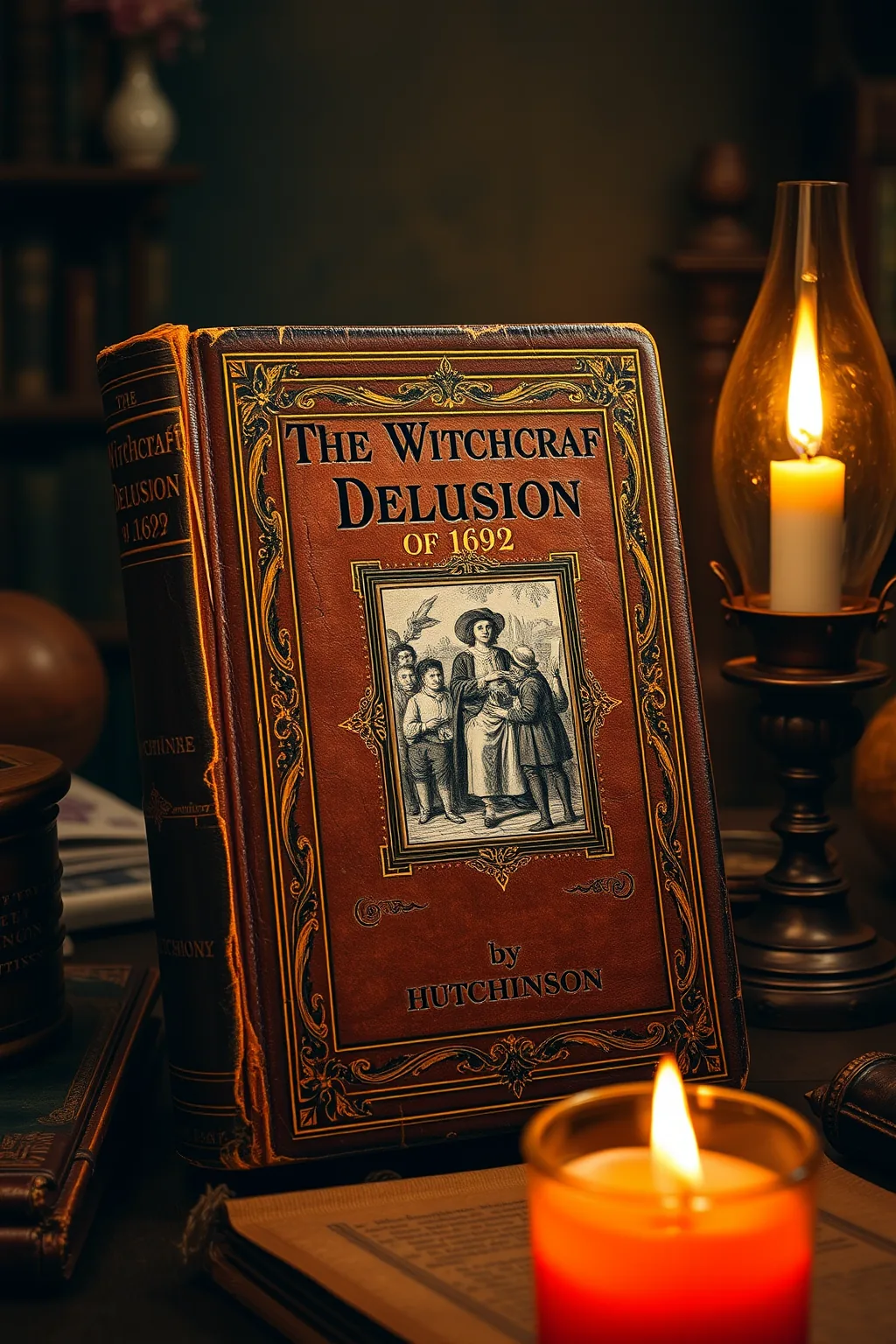
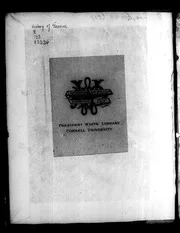
Thomas Hutchinson's The Witchcraft Delusion of 1692 is a seminal work for anyone delving into the esoteric and occult history of New England. Published just a couple of decades after the infamous Salem witch trials, Hutchinson's account is both a historical record and a cautionary tale. His meticulous documentation of the events provides a vivid picture of the societal and religious climate of the time, making it a valuable resource for modern esoteric seekers. The book's detailed narrative and analytical approach offer a unique perspective on the psychological and social dynamics that led to the trials. For contemporary readers, this text serves as a reminder of the dangers of unchecked fear and superstition, and it underscores the importance of critical thinking in the face of collective hysteria. The Witchcraft Delusion of 1692 is a must-read for those interested in the history of witchcraft and its enduring impact on society.
📝 Description
69
Thomas Hutchinson's "The Witchcraft Delusion of 1692" dissects a notorious period of American history.
Published in 1768, Thomas Hutchinson's account examines the Salem Witch Trials. The work details the accusations, confessions, and eventual executions that characterized the events of 1692. Hutchinson, then a prominent colonial figure, approached the subject with a critical eye, seeking to understand the societal forces and psychological factors at play.
Beyond a simple chronicle, the book probes the nature of belief, the influence of mass hysteria, and the ways in which fear can manifest. It considers the role of perceived supernatural influences alongside human credulity and manipulation. The text also touches on the historical context and the legal proceedings that unfolded during this unsettling chapter.
While not an esoteric text itself, Hutchinson's work engages with the historical perception of witchcraft, a topic often situated within esoteric traditions. It analyzes the societal conditions that allowed beliefs in malevolent occult forces to take hold and lead to widespread persecution. The book serves as a historical examination of how notions of the supernatural, even when debunked, can profoundly impact human events and collective psychology.
✍️ Author
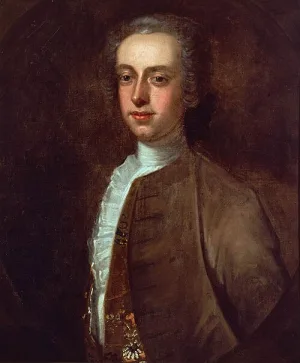
Hutchinson, Thomas
Thomas Hutchinson (9 September 1711 – 3 June 1780) was an American merchant, politician, historian, and colonial administrator who repeatedly served as governor of the Province of Massachusetts Bay in the years leading up to the American Revolution. He has…
💡 Why Read This Book?
Reading The Witchcraft Delusion of 1692 today offers a unique opportunity to understand the historical roots of witchcraft beliefs and their impact on society. This book provides valuable insights into the psychological and social factors that contribute to mass hysteria and superstition. For modern esoteric seekers, it serves as a reminder of the enduring fascination with the occult and the importance of critical thinking in the face of collective fear. Whether you are a history enthusiast, a student of the occult, or simply curious about the darker side of human nature, this book offers a rich and engaging exploration of a pivotal moment in American history.
⭐ Reader Reviews
Honest opinions from readers who have explored this book.
❓ Frequently Asked Questions
What is the main focus of The Witchcraft Delusion of 1692?
The main focus of this book is the Salem witch trials of 1692, providing a detailed account of the events and the societal factors that contributed to the hysteria.
Is this book suitable for modern readers interested in witchcraft?
Yes, this book is highly suitable for modern readers interested in witchcraft and the occult, as it offers historical context and insights into the enduring fascination with these topics.
What can readers gain from reading this book?
Readers can gain a deeper understanding of the historical roots of witchcraft beliefs, the psychological dynamics of mass hysteria, and the importance of critical thinking in the face of superstition.
🔮 Key Themes & Symbolism
The Power of Belief
Hutchinson examines how collective belief and fear can manifest into tangible, terrifying events. The trials serve as a stark reminder of the power of the mind and the dangers of unchecked superstition. This theme is explored through the lens of esoteric traditions, where symbols and rituals hold profound meaning.
Symbolism and Ritual
The book examines the strong symbolism and rituals that played a central role in the Salem Witch Trials. Hutchinson's analysis reveals how these esoteric elements were used to both instill fear and offer a sense of control in a chaotic time. This theme is crucial for understanding the mystical underpinnings of the trials.
The Veil Between Worlds
One of the most chilling aspects of the trials is the blurred line between the seen and unseen worlds. Hutchinson explores how this thin veil was manipulated to create a climate of hysteria and fear. This theme is particularly relevant for those interested in the esoteric and mystical dimensions of human experience.
💬 Memorable Quotes
Direct passages from the work, attributed to the author.
“Fear and superstition can twist the mind into believing the unimaginable.”
— Hutchinson highlights the psychological impact of fear and superstition.
“Symbols and rituals held the power to ignite both fear and fascination.”
— Hutchinson's exploration of esoteric symbols and rituals reveals their profound influence.
“Belief can manifest into tangible, terrifying events.”
— Hutchinson's work underscores the power of collective belief and its esoteric dimensions.
💡 Key Ideas
Editorial paraphrase of the work's core concepts — not direct quotes.
The veil between worlds is thin in times of great turmoil.
This quote underscores the mystical atmosphere of the Salem Witch Trials.
The trials were a proof of the enduring allure of the occult.
This quote emphasizes the mystical significance of the Salem Witch Trials.
🌙 Esoteric Significance
Tradition
This book belongs to the Hermetic tradition, which emphasizes the interconnectedness of all things and the hidden knowledge that lies beneath the surface of reality. Hutchinson's exploration of the Salem Witch Trials reveals the esoteric underpinnings of this event, making it a valuable resource for those interested in Hermeticism and other esoteric traditions.
Symbolism
Key symbols in the book include the use of rituals and the manipulation of fear and superstition. These symbols hold deep esoteric meaning, revealing the mystical forces at play in the Salem Witch Trials. Hutchinson's analysis of these symbols provides valuable insights into the occult dimensions of the event.
Modern Relevance
The Witchcraft Delusion of 1692 remains relevant today for modern practitioners of the esoteric arts. The book's exploration of the power of belief and the dangers of unchecked superstition is particularly relevant in an era of increasing skepticism and scientific rationalism. Many modern practitioners use Hutchinson's work as a resource for understanding the deeper, more mystical aspects of human experience.
👥 Who Should Read This Book
Beginners in the study of witchcraft and paganism will find this book fascinating, but it is particularly valuable for scholars and practitioners with some background in the esoteric and mystical arts. Spiritual seekers looking to understand the deeper, more mysterious forces at play in historical events will also benefit from Hutchinson's work. Those interested in the Hermetic tradition and other esoteric traditions will find this book to be a rich source of hidden knowledge and symbolism.
📜 Historical Context
The Witchcraft Delusion of 1692 was written in an era when the Salem Witch Trials were still fresh in the collective memory. Hutchinson's work was important because it provided a deeper understanding of the occult and esoteric dimensions of the trials, which had been largely overlooked. The book's influence lies in its ability to shed light on the mystical and symbolic elements that drove the hysteria, making it a valuable resource for scholars and spiritual seekers alike.
📔 Journal Prompts
Reflect on how fear and superstition can manifest into tangible events in your own life?
Explore the role of symbols and rituals in shaping your beliefs and perceptions?
Consider the thin veil between the seen and unseen worlds. How does this concept influence your spiritual practices?
How does the power of collective belief affect your understanding of historical events?
What esoteric traditions resonate with you, and how do they influence your spiritual journey?
🗂️ Glossary
Hermetic Tradition
An esoteric tradition that emphasizes the interconnectedness of all things and the hidden knowledge that lies beneath the surface of reality.
Esoteric Symbolism
Symbols that hold deep, hidden meanings, often related to mystical or occult practices.
Occult Dimensions
The mystical and supernatural aspects of an event or phenomenon.
Collective Belief
The shared beliefs and perceptions of a group, which can have a powerful influence on individual and group behavior.
Salem Witch Trials
A series of hearings and prosecutions of people accused of witchcraft in colonial Massachusetts between February 1692 and May 1693.
This book appears in 2 collections
🔮 Readers Also Liked
Browse all →
From the “Witchcraft” Collection
View all →




More Free Witchcraft & Paganism Books
View all →