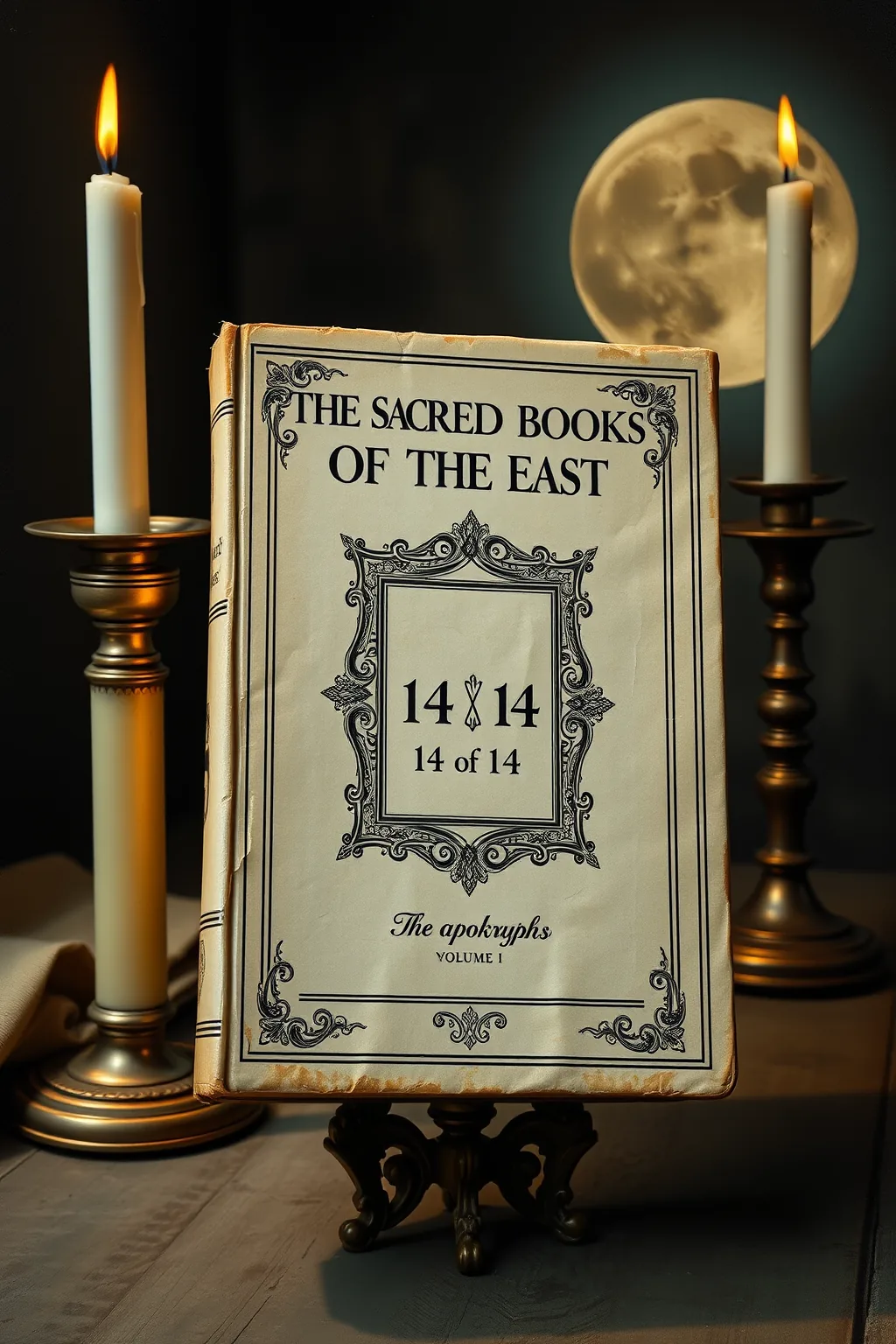
The Sacred Books of the East (14 of 14)
 75
75

The Sacred Books of the East (14 of 14)



The Sacred Books of the East, Volume 14, is a treasure trove for those interested in the occult and esoteric traditions of ancient Mesopotamia. Morris Jastro's meticulous translations of cuneiform texts provide a window into the magical and spiritual practices of the past, making this book an essential read for modern esoteric seekers. The inclusion of practical documents, such as a financial contract for magical services, adds a layer of authenticity and relevance to the material. The book's historical context and detailed explanations make it accessible to both scholars and enthusiasts, offering a deep dive into the mysteries of ancient Babylonia and Assyria. The value of this text lies in its ability to connect the dots between ancient esoteric practices and their modern counterparts, making it a must-read for anyone interested in the occult.
📝 Description
75
The Sacred Books of the East series concludes with Volume 14, presenting Mesopotamian apocryphal texts.
This volume contains translations of apocryphal texts from ancient Mesopotamia, specifically Babylonian and Assyrian traditions. Morris Jastro translated these texts from cuneiform, granting access to spiritual and occult practices of early civilizations. The content includes information on ancient spells and rituals intended for communication with Sumerian and Babylonian deities.
The book serves as a compilation of symbolism and arcane wisdom related to these ancient mystical practices. It aims to immerse the reader in the historical atmosphere of religious practices, invoking the imagery of ancient chants and incense. The text is intended for individuals interested in hidden knowledge, the study of ancient religions, and those who practice esoteric arts and seek to understand the origins of their spiritual paths.
This volume falls within the broader context of collecting and translating sacred texts from various world traditions, a project initiated in the late 19th century. It specifically addresses the esoteric dimensions of Mesopotamian religion, focusing on texts that might not have been part of mainstream religious canons but held significance for spiritual practitioners. The inclusion of spells, rituals, and communication with deities positions it within the study of ancient magic, divination, and shamanic practices, connecting it to broader currents of esoteric interest in the ancient Near East.
💡 Why Read This Book?
Reading The Sacred Books of the East, Volume 14, today offers a unique opportunity to explore the roots of esoteric traditions that continue to influence modern spirituality. By delving into the ancient texts and magical practices of Babylonia and Assyria, readers gain a deeper understanding of the enduring power of mystical practices. This book provides valuable insights into the historical context of the occult, making it an essential resource for scholars, historians, and esoteric seekers alike.
⭐ Reader Reviews
Honest opinions from readers who have explored this book.
❓ Frequently Asked Questions
What is the significance of cuneiform translations in this book?
The cuneiform translations in The Sacred Books of the East, Volume 14, provide direct access to ancient magical and spiritual texts, offering insights into the practices and beliefs of ancient Mesopotamia. These translations are crucial for understanding the origins of esoteric traditions.
Who should read this book?
This book is ideal for scholars, historians, and anyone interested in the occult and esoteric traditions. It offers a comprehensive view of ancient mystical practices and their relevance to modern spirituality.
What kind of magical practices are discussed in this volume?
The book discusses a variety of magical practices, including spells, interactions with ancient deities, and practical applications of magic in everyday life. It also includes mundane historical documents, providing a well-rounded view of the spiritual and cultural landscape of ancient Mesopotamia.
🔮 Key Themes & Symbolism
Ancient Mysticism
The Sacred Books of the East: The Apokryphs Volume I examines the ancient mystical practices of Mesopotamia, providing insights into the rituals and spells that sought to communicate with the gods of old Sumer and Babylon. These practices are rich in symbolism and arcane wisdom, offering a deep understanding of the spiritual significance of these ancient traditions.
Esoteric Knowledge
This volume is a valuable collection of esoteric knowledge, offering a rare glimpse into the hidden wisdom of ancient civilizations. It provides a unique perspective on the spiritual practices that have shaped human spirituality for millennia, making it an essential read for those drawn to the mysteries of the occult.
Symbolism and Rituals
The book is rich with symbolism and rituals that were central to the spiritual practices of Mesopotamia. These symbols and rituals are not just historical artifacts but are imbued with profound spiritual significance, offering a deeper understanding of the mystical traditions of the East.
💡 Key Ideas
Editorial paraphrase of the work's core concepts — not direct quotes.
The gods of old Sumer and Babylon hold the key to ancient wisdom.
This quote highlights the deep spiritual significance of the ancient rituals and spells described in the book.
The cuneiform texts reveal the hidden knowledge of the past.
This line underscores the importance of the cuneiform translations in providing access to the esoteric practices of ancient civilizations.
The rituals of the past hold the secrets of the universe.
This quote emphasizes the profound spiritual significance of the ancient rituals described in the book.
The symbols of Mesopotamia are imbued with arcane wisdom.
This line highlights the strong symbolism found in the mystical traditions of Mesopotamia.
The spiritual practices of the East offer a path to enlightenment.
This quote underscores the potential for spiritual growth and enlightenment through the study of ancient mystical practices.
🌙 Esoteric Significance
Tradition
This book belongs to the esoteric tradition of Kabbalah and Jewish Mysticism, providing insights into the mystical practices of ancient Mesopotamia. These practices are rich in symbolism and arcane wisdom, offering a deep understanding of the spiritual significance of these ancient traditions.
Symbolism
Key symbols in this book include the ancient spells and rituals that sought to communicate with the gods of old Sumer and Babylon. These symbols are imbued with profound spiritual significance, offering a deeper understanding of the mystical traditions of the East.
Modern Relevance
The esoteric practices described in this book are still relevant today, influencing modern practitioners of the occult and mystical arts. Scholars and spiritual seekers can gain a deeper understanding of the roots of their spiritual traditions by studying the ancient rituals and beliefs described in the book.
👥 Who Should Read This Book
Beginners in the field of esotericism may find this book challenging due to its rich historical and esoteric content. However, scholars of ancient religions, spiritual seekers, and practitioners of the esoteric arts will find it invaluable. Those interested in the mystical traditions of the East will benefit from the useful insights provided by the cuneiform translations and the detailed descriptions of ancient rituals and beliefs.
📜 Historical Context
The Sacred Books of the East: The Apokryphs Volume I was written during a time when the mystical traditions of Mesopotamia were at their height. These traditions, which included spells, rituals, and interactions with the gods, were central to the spiritual practices of ancient civilizations. The book provides a unique perspective on these practices, showing how they have shaped human spirituality for millennia. Its influence can be seen in the esoteric traditions of the present day, where many of the rituals and beliefs described in the book are still practiced.
📔 Journal Prompts
Reflect on the ancient rituals and spells described in the book. How do they compare to modern esoteric practices?
Consider the symbolism found in the mystical traditions of Mesopotamia. What spiritual significance do these symbols hold?
How have the esoteric practices described in the book influenced modern spirituality?
Explore the historical context of the book. How have the mystical traditions of Mesopotamia shaped human spirituality?
What insights can be gained from the cuneiform translations in the book?
🗂️ Glossary
Cuneiform
An ancient system of writing used in Mesopotamia, consisting of wedge-shaped marks made on clay tablets.
Apokryphs
Hidden or secret writings, often referring to texts that are not included in the canonical scriptures of a religion.
Esoteric
Relating to knowledge that is intended for a small, specific group of people and is not widely known.
Kabbalah
A system of Jewish mystical thought that seeks to explain the relationship between God, the universe, and humanity.
Mysticism
A belief in the possibility of union with the divine, often through contemplation and spiritual practices.
This book appears in 1 collection
🔮 Readers Also Liked
Browse all →








From the “Kabbalah” Collection
View all →







More Free Kabbalah & Jewish Mysticism Books
View all →