What is Evocation?
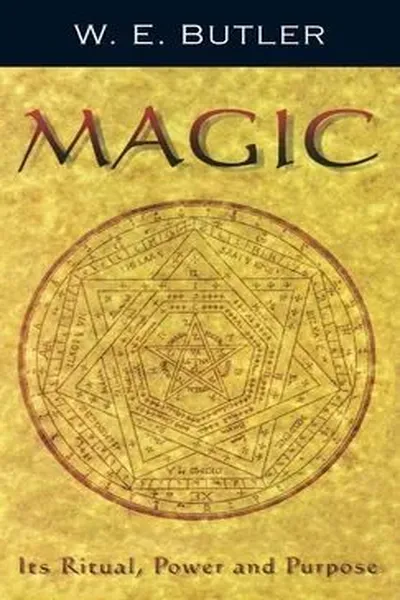
Evocation is the practice of calling forth entities, typically spirits or intelligences, into a visible or perceptible form. This is often achieved through ritualistic means, involving specific invocations, visualizations, and symbolic tools. Unlike conjuration, which aims to bind a spirit to a location or object, evocation focuses on bringing the entity into a manifest presence for communication or interaction. The goal is usually to gain knowledge, assistance, or to perform a specific task under the magician's direction.
Best Books for Complete Beginners
For those new to evocation, starting with accessible overviews is crucial. 'The Key of King Solomon, Clavicula Salomonis' by George Graham (1834) offers a historical perspective on ritual magic, providing context for later grimoires. While not solely about evocation, 'Grimoires & Practical Magic' serves as a useful primer on the types of texts and practices involved. Stephen Skinner's 'The Complete Magicians Tables' (2007) introduces systematic magical frameworks that underpin many evocation techniques, making complex ideas more digestible for newcomers.
Intermediate Reading
Moving beyond the basics, intermediate students can examine more specific grimoires and analyses. 'The Lesser Key of Solomon, Goetia, the book of evil spirits' is a primary source for demonology and the summoning of specific entities, requiring careful study. Lon Milo DuQuette's 'Enochian World Of Aleister Crowley Enochian Sex Magick' (1991) explores a complex system with applications relevant to advanced evocation. Francis King's 'Astral Projection Ritual Magic and Alchemy Golden Dawn Material' (1987) provides insights into the practical magical techniques developed by influential occult orders.
Classical / Advanced Texts
Advanced practitioners often engage directly with primary historical sources. The multi-volume 'The Sacred Books of the East' series contains a vast array of esoteric knowledge, including texts that inform magical practices across various cultures. 'The Lesser Key of Solomon, Goetia, the book of evil spirits' itself represents a foundational classical text, detailing the spirits and rituals of the Goetia. Engagement with these older, often less annotated texts demands a strong background in occult history and comparative religion.
Reading Order — Step by Step
Begin with foundational concepts. Month 1: Read 'Grimoires & Practical Magic' for an overview, and consult George Graham's 1834 edition of 'The Key of King Solomon' for historical context. Month 2: Tackle Stephen Skinner's 'The Complete Magicians Tables' (2007) to understand systematic magical structures. Month 3 onwards: Begin studying 'The Lesser Key of Solomon, Goetia, the book of evil spirits' for direct grimoire material, and explore Lon Milo DuQuette's 'Enochian World Of Aleister Crowley' (1991) for advanced Enochian magic. Supplement with volumes from 'The Sacred Books of the East' as specific interests arise.
Frequently Asked Questions
Which evocation book should I read first?
For beginners, 'Grimoires & Practical Magic' offers a solid overview. If you prefer historical context, George Graham's 1834 edition of 'The Key of King Solomon' is a good starting point. Stephen Skinner's 'The Complete Magicians Tables' (2007) provides a structured approach to magical systems.
What is the difference between evocation and invocation?
Evocation is the act of calling a spirit forth into manifestation, often to be seen or perceived. Invocation is the act of calling a spirit into oneself, to embody its qualities or power.
Are grimoires dangerous to read?
Grimoires contain complex rituals and information. While the texts themselves are not inherently dangerous, the practices described require careful study, preparation, and understanding of potential psychological effects. Approach with respect and caution.
What is the significance of 'The Lesser Key of Solomon'?
'The Lesser Key of Solomon', particularly its first book, the Goetia, is an important work detailing the names, seals, and operations of 72 spirits. It has been a primary source for Western ceremonial magic for centuries.
Can evocation be practiced without physical tools?
While many traditions emphasize tools like wands, circles, and pentacles, the core of evocation lies in focused intent, visualization, and the power of the spoken word. Some practitioners adapt practices to be less reliant on elaborate physical setups.
What is the role of 'The Sacred Books of the East' in evocation?
These volumes provide extensive background on Eastern esoteric traditions, philosophical systems, and magical practices that have influenced or run parallel to Western evocation. They offer comparative context and diverse perspectives on spirit interaction.