What are End Times narratives?
End Times narratives, often termed eschatology, are frameworks that describe the ultimate destiny of humanity, the world, and the cosmos. These accounts frequently involve divine judgment, the arrival of a messianic figure or force, and a radical transformation of existence. While rooted in religious traditions like Christianity and Judaism, interpretations have expanded to include occult, conspiratorial, and even secular theories about societal collapse and rebirth.
Best Books for Complete Beginners
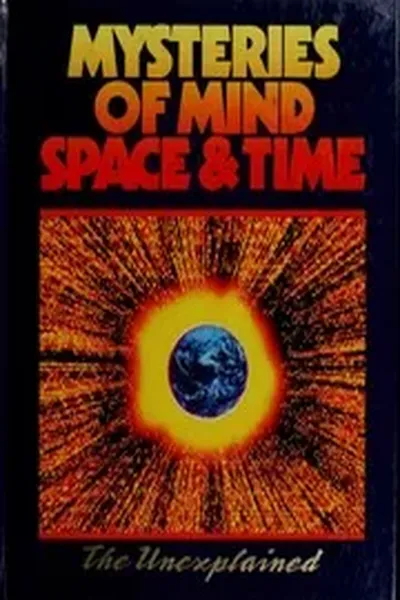
For those new to End Times studies, starting with accessible overviews is recommended. 'Mysteries Of Mind, Space & Time The Unexplained' offers broad coverage of unusual phenomena that often intersect with prophetic themes. 'The Apocalypse unsealed: being an esoteric interpretation of the initiation ...' by James Morgan Pryse provides an early 20th-century esoteric lens on Revelation. Garry Greenwood's 'All The Emperors Men - Heralding the Cults of the Apocalypse' connects contemporary events to apocalyptic cults. Rudolf Steiner's 'Christianity as Mystical Fact' (1910) introduces a spiritual-scientific perspective on Christian eschatology.
Intermediate Reading
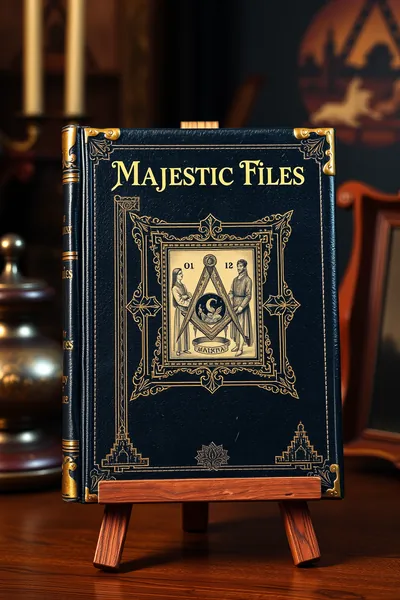
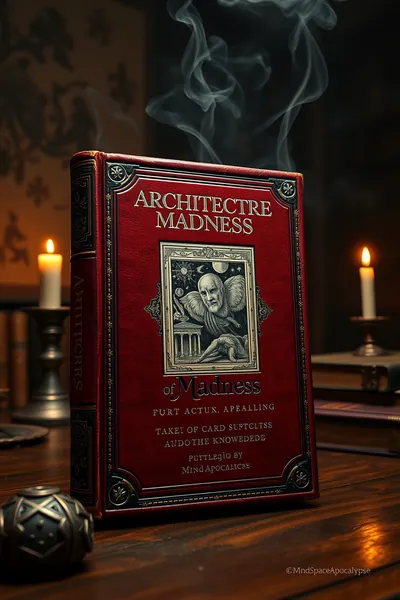
Moving beyond introductory material, intermediate texts delve deeper into specific aspects. William Guy Carr's 'Satan Prince Of This World' is a foundational text for understanding the alleged influence of secret societies and occult forces. 'King Kill 33 Apocalypse Culture' by Downard links JFK's assassination to occult conspiracies and NWO theories. The 'Majestic Files' and 'Architecture Of Madness' by an anonymous author explore mind control and societal manipulation. 'The Master Game: Unmasking the Secret Rulers of the World' by Bauval and Hancock examines hidden power structures influencing global events.
Classical / Advanced Texts
Advanced study often involves primary source material and complex theological or philosophical arguments. John Dee's 'John Dee's Five Books Of Mystery' offers a Renaissance perspective on divine revelation and hidden knowledge. The 'Sacred Books of the East' (14 of 14) provides foundational texts from Eastern traditions that offer comparative eschatological viewpoints. James Morgan Pryse's 'The Apocalypse unsealed' is a key primary source for early esoteric interpretations of Revelation. 'Liber L X X The Cross of a Frog by the name of Jesus of Nazareth' presents a highly unconventional esoteric interpretation.
Reading Order — Step by Step
Begin with foundational overviews like 'Mysteries Of Mind, Space & Time The Unexplained' and James Morgan Pryse's 'The Apocalypse Unsealed' in Weeks 1-2. In Month 2, explore the NWO and occult connections with William Guy Carr's 'Satan Prince Of This World' and Downard's 'King Kill 33 Apocalypse Culture'. Month 3 should focus on deeper esoteric or philosophical texts such as John Dee's 'Five Books Of Mystery' or Rudolf Steiner's 'Christianity as Mystical Fact'. Continue with advanced texts and comparative studies thereafter.
Frequently Asked Questions
Which End Times book should I read first?
For a beginner, 'Mysteries Of Mind, Space & Time The Unexplained' offers a broad introduction. If you prefer direct scriptural interpretation, James Morgan Pryse's 'The Apocalypse Unsealed' is a good starting point for esoteric readings.
What is the significance of the NWO in End Times literature?
The New World Order (NWO) is a recurring theme in many End Times texts, representing a feared future totalitarian global government orchestrated by hidden powers, often linked to secret societies and occult forces.
Are these books religious or secular?
The books cover a spectrum. Some, like Pryse's, are deeply rooted in religious interpretation. Others, like those discussing NWO or occult conspiracies, blend religious, political, and esoteric elements, sometimes with a secular or conspiratorial focus.
How do Freemasons and Illuminati feature in these texts?
Freemasons and the Illuminati are frequently cited in End Times literature, particularly within conspiracy-focused narratives, as clandestine organizations allegedly manipulating global events towards an apocalyptic outcome.
What is the difference between Apocalypse Culture and traditional eschatology?
'Apocalypse Culture' often refers to modern, eclectic interpretations that blend religious prophecy with conspiracy theories, occultism, and societal critique, differing from strictly theological eschatological frameworks.
Are there books that discuss End Times from non-Western perspectives?
While many texts focus on Abrahamic traditions, 'The Sacred Books of the East' provides access to Eastern philosophical and spiritual systems that contain their own cosmologies and ideas about cosmic cycles and ultimate ends.
What is the role of 'spiritual warfare' in End Times studies?
Spiritual warfare refers to the idea of actively combating perceived evil supernatural forces. In End Times literature, it's often presented as a crucial element for individuals and groups working through the perceived spiritual battles of the final era.
Can I find books that connect End Times prophecies to historical events?
Yes, many books attempt to link prophecies to historical events, such as Downard's 'King Kill 33 Apocalypse Culture' which connects JFK's assassination to occult narratives, or Carr's work linking historical events to alleged Satanic influence.