What are the Dead Sea Scrolls?
The Dead Sea Scrolls are ancient Jewish manuscripts discovered between 1947 and 1956 in caves near the ruins of the ancient settlement of Qumran on the northwest shores of the Dead Sea. They consist of thousands of fragments, representing hundreds of different manuscripts, dating from the 3rd century BCE to the 1st century CE. The collection includes the oldest known surviving copies of biblical books, as well as apocryphal and sectarian texts that shed light on Jewish beliefs and practices during the Second Temple period.
Best Books for Complete Beginners
For those new to the subject, Timothy H. Lim's 'The Dead Sea Scrolls: A Very Short Introduction' provides an accessible entry point, covering the scrolls' discovery and significance. Hershel Shanks' 'The Mystery and Meaning of the Dead Sea Scrolls' offers a narrative approach, making the complex history and content engaging. 'Who Wrote the Dead Sea Scrolls?' by Norman Golb presents a key debate about their origin, framed for a general audience. Finally, 'The Texts from the Judaean Desert' by Martin G. Abegg offers a broad overview of the textual landscape.
Intermediate Reading
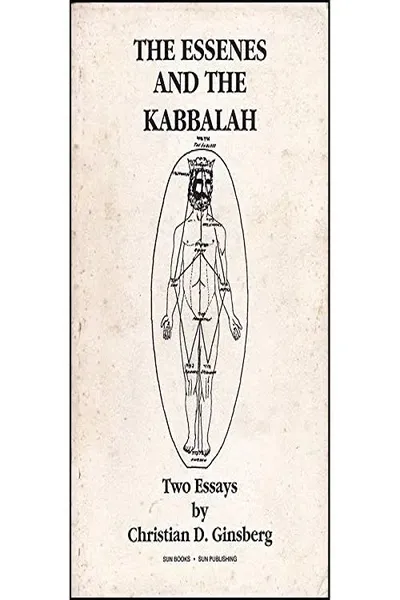
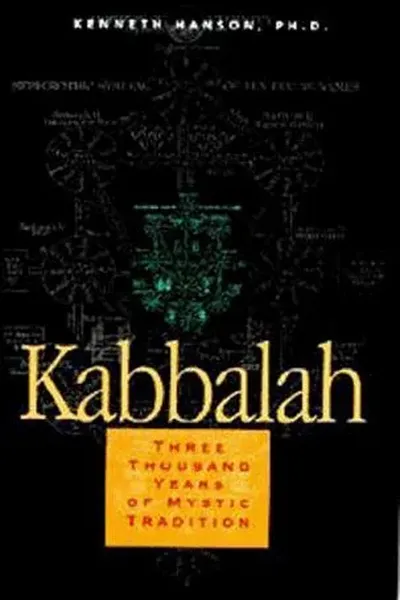
Moving beyond introductions, Christian D. Ginsburg's 'The Essenes The Kabbalah: its doctrines, development, and literature' is crucial for understanding the Essene connection. 'The Library of Qumran' by Hartmut Stegemann offers a detailed look at the archaeological context and the community's organization. 'The Parabiblical Texts' by Daniel K. Falk explores texts that supplement or reinterpret biblical narratives. 'Purity and Identity in Ancient Judaism' by Yair Furstenberg examines social and religious boundaries within the period.
Classical / Advanced Texts
Serious students will find value in primary source collections like 'Qumran Cave 4' by Allegro and Anderson, offering critical editions of newly discovered texts. 'Qumran and the History of the Biblical Text' by Cross and Talmon investigates the scrolls' impact on the biblical text itself. For specific textual analysis, 'Theologisches Wörterbuch zu den Qumrantexten' by George J. Brooke provides a scholarly lexicon. 'The Greek Minor Prophets Scroll From Nahal Hever' by Tov and Parsons presents a significant textual variant.
Reading Order — Step by Step
Begin with Timothy H. Lim's 'The Dead Sea Scrolls: A Very Short Introduction' (Week 1) for a foundational understanding. In Weeks 2-3, read Hershel Shanks' 'The Mystery and Meaning of the Dead Sea Scrolls' for historical context. For Month 2, engage with Norman Golb's 'Who Wrote the Dead Sea Scrolls?' to understand authorship debates, followed by Hartmut Stegemann's 'The Library of Qumran' for community insights. Month 3 should be dedicated to Christian D. Ginsburg's 'The Essenes The Kabbalah' and Daniel K. Falk's 'The Parabiblical Texts' for deeper doctrinal exploration. Advanced readers can then tackle primary source editions and specialized studies.
Frequently Asked Questions
Which Dead Sea Scrolls book should I read first?
For a complete beginner, 'The Dead Sea Scrolls: A Very Short Introduction' by Timothy H. Lim is the ideal starting point. It provides a concise yet comprehensive overview of the scrolls' discovery, content, and significance without overwhelming the reader.
Are the Dead Sea Scrolls related to the Kabbalah?
Some scholars, like Christian D. Ginsburg in 'The Essenes The Kabbalah', explore potential connections between the Essenes (a sect associated with the scrolls) and early Kabbalistic ideas. However, the direct link and extent of influence remain subjects of scholarly discussion.
What is the main debate about who wrote the scrolls?
The primary debate, notably discussed in Norman Golb's 'Who Wrote the Dead Sea Scrolls?', centers on whether the scrolls were the library of a specific sect (like the Essenes) residing at Qumran, or if they represent a broader collection of texts from various sources in Jerusalem and elsewhere.
How do the Dead Sea Scrolls help us understand the Bible?
The scrolls contain the oldest known manuscripts of many biblical books, predating previously known copies by centuries. They allow scholars to compare textual variations, understand the history of the biblical text, and gain insight into its transmission, as explored in works like 'Qumran and the History of the Biblical Text'.
What are 'parabiblical texts'?
Parabiblical texts are ancient writings that retell, expand upon, or interpret biblical stories and figures. Found among the Dead Sea Scrolls, they offer insights into how ancient Jews engaged with and creatively elaborated on their sacred scriptures, as detailed in Daniel K. Falk's work.
What was the community at Qumran like?
Based on sectarian texts like the Community Rule and archaeological evidence, the Qumran community is often depicted as a separatist, ascetic group adhering to strict laws and awaiting divine intervention. Hartmut Stegemann's 'The Library of Qumran' provides a detailed examination of this perspective.
Are there any controversial theories about the Dead Sea Scrolls?
Yes, theories like those presented in 'Dead Sea Scrolls Deception' by Baigent and Leigh propose unconventional ideas, often involving secret societies or hidden historical narratives. These are generally considered fringe theories by mainstream scholarship, which focuses on textual and archaeological evidence.
Where can I find primary source texts from the scrolls?
For direct engagement with the scrolls, look for critical editions and translations. Works like 'Qumran Cave 4' by Allegro and Anderson offer scholarly editions of specific texts, while comprehensive collections often provide translations alongside scholarly commentary.