What is Goetia?
Goetia refers to a specific system of ceremonial magic focused on the evocation and command of spirits, primarily demons, as cataloged in grimoires attributed to King Solomon. These texts provide detailed instructions on preparing the magician, constructing ritual tools, and performing invocations to compel spirits to appear and perform tasks. The practice involves understanding the correspondences, seals, and names of power associated with each spirit, aiming for control through divine authority.
Best Books for Complete Beginners
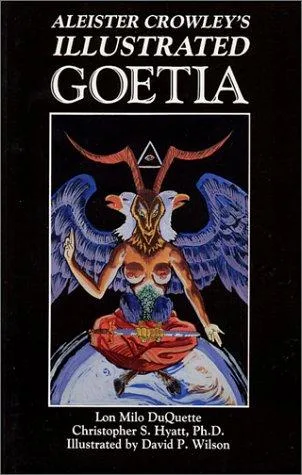
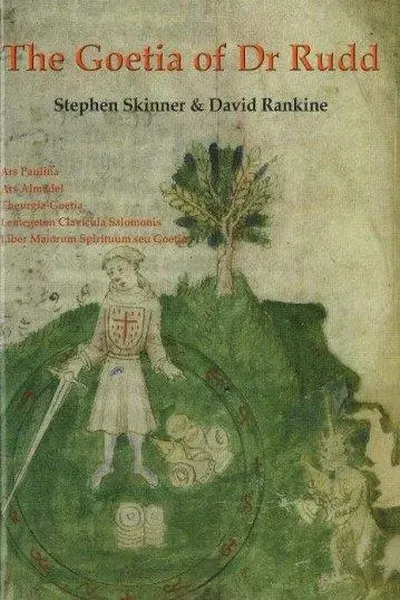
For those new to Goetia, starting with accessible guides is recommended. 'The Lesser Key of Solomon' by S.L. MacGregor Mathers and Aleister Crowley (1904) is an important work, offering the foundational catalog of spirits and their seals. Stephen Skinner's 'Goetia of Dr Rudd' provides a variant and often more practical approach. Lon Milo DuQuette's 'Aleister Crowley's Illustrated Goetia' offers visual aids and commentary that can clarify complex diagrams. Victoria Santelle and Virginia Santos' 'Goetia: Solomonic Evocation' presents a modern, practical framework for beginners.
Intermediate Reading
Moving beyond the basics, intermediate students can look at more nuanced texts. 'The Key of King Solomon, Clavicula Salomonis' by George Graham (1834) offers a broader context of Solomonic magic. Stephen Skinner's 'The Complete Magicians Tables' (2007) provides essential tools and tables for magical practice, including Goetic work. Mustafa Karnas' 'ARS GOETIA KORPUS' presents a scholarly examination and practical application of Goetic principles. 'Angelical Goetia' by Regina A. Sarayan and Virginia Santos explores the intersection of angelic and Goetic hierarchies.
Classical / Advanced Texts
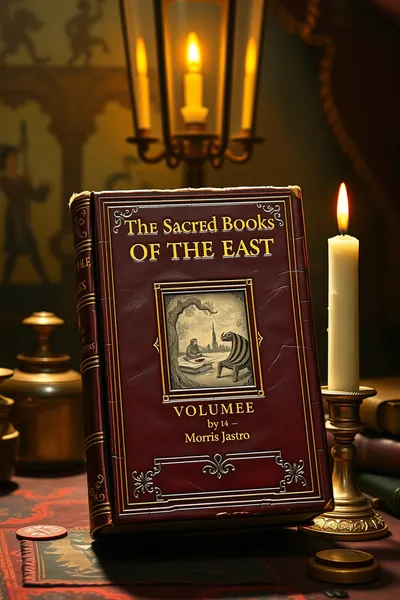
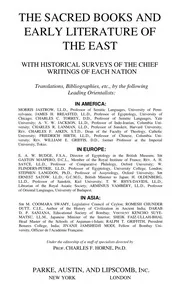
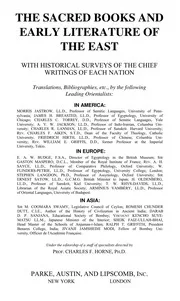
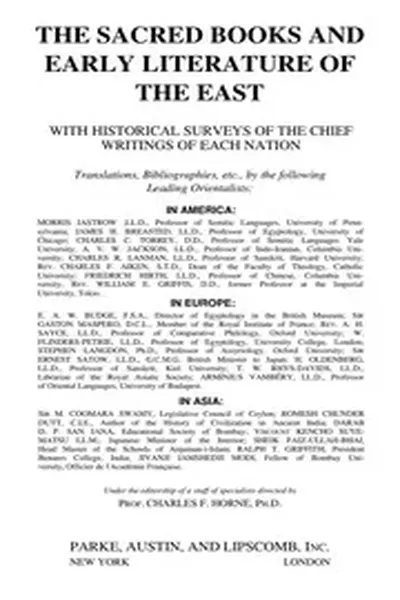
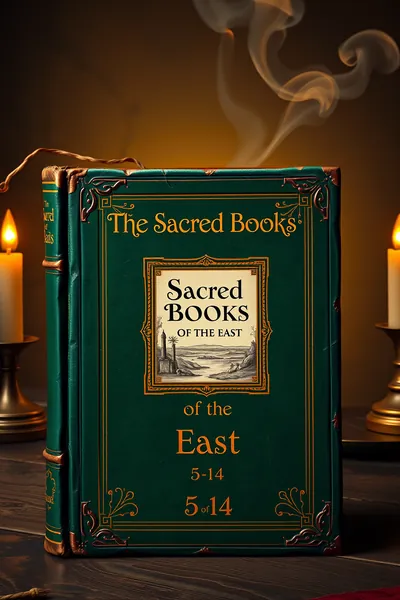
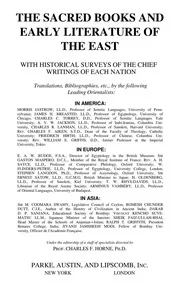
Serious practitioners and scholars will find value in primary sources and advanced commentaries. The original translations of 'The Lesser Key of Solomon, Goetia' by L. W. De Laurence offer earlier renditions. The 'Theurgia Goetia Summa' section within 'Sub Figura DCCC' by OFFICIAL PUBLICATION of A. . .A. . . is a significant text for advanced Adeptus Minor grade study. Works within 'The Sacred Books of the East' series, while not exclusively Goetic, often contain related esoteric traditions and philosophical underpinnings relevant to advanced study.
Reading Order — Step by Step
Begin by familiarizing yourself with the core concepts using 'Aleister Crowley's Illustrated Goetia' (DuQuette) or 'Goetia: Solomonic Evocation' (Santelle/Santos) in Weeks 1-2. By Month 2, engage with the foundational 'The Lesser Key of Solomon' (Mathers/Crowley, 1904), perhaps alongside 'Goetia of Dr Rudd' (Skinner) for comparative study. Month 3 should involve exploring 'The Key of King Solomon' (Graham, 1834) for broader context. Advanced study can then proceed to primary source translations and specialized texts like 'ARS GOETIA KORPUS' (Karnas).
Frequently Asked Questions
Which Goetia book should I read first?
For beginners, 'Aleister Crowley's Illustrated Goetia' by Lon Milo DuQuette or 'Goetia: Solomonic Evocation' by Santelle/Santos are excellent starting points due to their accessibility and clear explanations.
Is Goetia dangerous to practice?
Goetic practices involve commanding powerful entities. Without proper training, preparation, and understanding of the risks, it is considered potentially dangerous. Respect for the material and a serious approach are essential.
What is the difference between Goetia and other grimoires?
Goetia specifically focuses on the evocation of the 72 demons listed in the Lesser Key of Solomon. Other grimoires may cover different spirits, angelic magic, or broader magical systems.
Do I need to believe in demons to study Goetia?
Belief is less critical than understanding the symbolic and psychological aspects of the entities. Many practitioners view them as psychological archetypes or forces, rather than literal beings.
What are the essential tools for Goetic ritual?
Traditional tools include a wand, sword, circle, triangle of manifestation, incense, and the specific seals (sigils) of the spirits being invoked, all prepared according to grimoire instructions.
Where does the list of 72 demons come from?
The primary source for the list of 72 demons is the 'Ars Goetia', the first book of 'The Lesser Key of Solomon', a grimoire compiled in the 17th century from earlier sources.