What is Spellcraft?
Spellcraft encompasses the intentional use of symbolic actions, words, and energies to effect change or influence outcomes. It draws upon a wide array of traditions, including folk magic, ceremonial practices, and modern pagan witchcraft. The practice involves understanding correspondences, energetic principles, and the psychology of belief, often utilizing tools, herbs, and focused intent. Historically, spellcraft has been documented across cultures as a means of healing, protection, divination, and manifestation.
Best Books for Complete Beginners
For those new to spellcraft, understanding foundational concepts is key. 'The Complete Guide To Wicca And Witchcraft' by Leocosmos serves as a comprehensive introduction to modern Wiccan practices and general witchcraft principles. Lady Wilde's 'Ancient legends, Mystic Charms & Superstitions of Ireland' (1887) offers accessible insights into folk magic and charms, providing historical context. Anonymous's 'Everybody's Book of Luck' explores common superstitions and their perceived effects, which are often the bedrock of early spellcraft. These texts lay the groundwork for further study without overwhelming newcomers.
Intermediate Reading
Moving beyond basics, intermediate texts deepen understanding of specific traditions and techniques. Charles Godfrey Leland's 'Gypsy Sorcery and Fortune Telling' (1891) is essential for its detailed exploration of Romani folk magic and incantations. 'Witchcraft and superstitious record in the south-western district of Scotland' by J. Maxwell Wood (1913) provides scholarly yet detailed accounts of historical practices and beliefs. 'The Horse Shoe: The True Legend of St. Dunstan and the Devil' by Edward G. Flight examines a specific charm against witchcraft, illustrating the historical significance of protective symbols.
Classical / Advanced Texts
Advanced study involves engaging with primary sources and complex theoretical frameworks. 'The Eighth Book of Moses: A Greco-Egyptian Grimoire' (2005) offers a look into ancient magical texts and their structure. 'The Sacred Books of the East' series, particularly volumes 1, 2, and 14, provides access to foundational texts from various Eastern spiritual and magical traditions that have influenced Western occultism. 'Vampyre Magick' by Father Sebastiaan looks at a specific, advanced system of magical practice focused on vampiric themes.
Reading Order — Step by Step
Begin with introductory texts to grasp core concepts. Weeks 1-4: Start with 'The Complete Guide To Wicca And Witchcraft' by Leocosmos for a broad overview. Simultaneously, read 'Everybody's Book of Luck' to understand common superstitions. Month 2: Transition to historical folk magic with Lady Wilde's 'Ancient legends, Mystic Charms & Superstitions of Ireland' and Charles Godfrey Leland's 'Gypsy Sorcery and Fortune Telling'. Month 3: Explore regional witchcraft with J. Maxwell Wood's 'Witchcraft and superstitious record in the south-western district of Scotland'. Advanced students can then engage with 'The Eighth Book of Moses' or selections from 'The Sacred Books of the East'.
Frequently Asked Questions
Which spellcraft book should I read first?
For a comprehensive introduction, start with 'The Complete Guide To Wicca And Witchcraft' by Leocosmos. It covers fundamental principles and practices relevant to many forms of modern spellcraft.
Are the Oz books relevant to spellcraft?
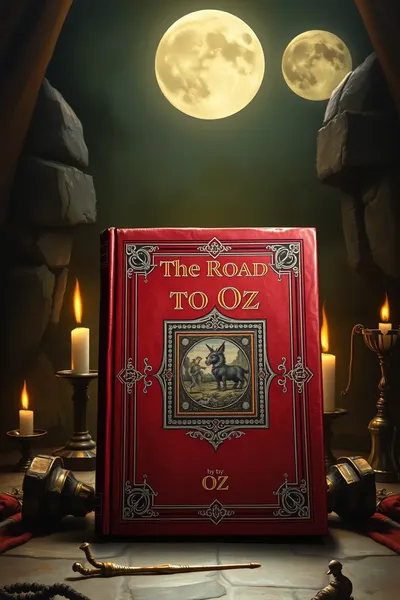
While fictional, L. Frank Baum's Oz books like 'The Road to Oz' and 'The Patchwork Girl of Oz' playfully explore magical concepts and enchantments, serving as lighthearted introductions to imaginative elements found in spellcraft.
What is the difference between spellcraft and witchcraft?
Spellcraft is the broader practice of using symbolic actions and intent to effect change. Witchcraft is a specific tradition or religion that often incorporates spellcraft as one of its core practices.
Where can I find information on historical spellcraft?
Texts like Charles Godfrey Leland's 'Gypsy Sorcery and Fortune Telling' and Lady Wilde's 'Ancient legends, Mystic Charms & Superstitions of Ireland' offer detailed accounts and examples of historical folk magic.
Is 'The Eighth Book of Moses' a primary source?
'The Eighth Book of Moses' is presented as a Greco-Egyptian grimoire, offering insights into ancient magical practices and texts. It serves as a valuable resource for understanding historical grimoires and their contents.
What are the essential elements of practicing spellcraft?
Key elements include focused intent, understanding symbolic correspondences (colors, herbs, etc.), clear visualization, and often the use of specific words (incantations) or actions to direct energy.