52,000+ Esoteric Books Free + Modern Compare Prices
Home Collections Qabalah
✡️

Qabalah Books: A Comprehensive Reading Guide

Key books on Qabalah trace its doctrines, development, and literature from ancient roots to modern interpretations. Christian D. Ginsburg's 'The Kabbalah: its doctrines, development, and literature' provides historical context, while Gershom Scholem's 'On the Kabbalah and Its Symbolism' offers scholarly analysis. For those interested in practical applications, texts like Robert Wang's 'The Qabalistic Tarot' (1983) bridge theory and practice. This guide outlines essential reading for understanding Qabalah, from foundational concepts to advanced studies.

Top Qabalah Books

25 Qabalah books

What is Qabalah?

Qabalah is an esoteric system of mystical thought that originated in medieval Judaism. It seeks to understand the divine nature and the creation of the universe through symbolic interpretation of scripture, particularly the Torah. Central to Qabalah is the Tree of Life, a diagram of ten interconnected spheres representing divine emanations and pathways of spiritual ascent. It explores concepts of God, creation, humanity's place in the cosmos, and methods for achieving spiritual illumination.

Best Books for Complete Beginners

For those new to Qabalah, starting with accessible overviews is crucial. Christian D. Ginsburg's 'The Kabbalah: its doctrines, development, and literature' offers a historical foundation. Gershom Scholem's 'On the Kabbalah and Its Symbolism' provides a scholarly yet understandable introduction to core concepts and symbolism. Robert Wang's 'The Qabalistic Tarot' (1983) is excellent for linking Qabalistic principles to a visual system, making abstract ideas more concrete. Pat Zalewski's 'Kabbalah of the Golden Dawn' (2000) introduces Qabalah within a specific magical tradition, offering practical context.

Intermediate Reading

Building on foundational knowledge, intermediate students can delve deeper into primary texts and specific interpretations. 'The Kabbalah Unveiled' (2014), referencing works like Kabbala Denudata, offers access to key texts. Gershom Scholem's work remains vital for critical understanding. For those exploring Qabalah's influence on Western esotericism, Steven Ashe's 'The Complete Golden Dawn Initiate' (2007) and David Edwards' 'Golden Dawn Tradition Qabalah' (2008) are valuable. Paul Foster Case's 'Learning Tarot Essentials' (1932) connects Qabalistic Tarot to practical divination.

Classical / Advanced Texts

Advanced study requires engaging with the foundational texts themselves. 'The Zohar', attributed to Shimon Bar Yohai and Moses de León, is the central work of Kabbalistic literature, with translations like 'Introduction To The Book Of Zohar.pdf' (2014) and 'THE ZOHAR' by elgamelyan offering access. 'Sefer Ha Bahir' (Bahir) is another early, crucial text. 'Kabbala Denudata' by Christian Knorr von Rosenroth, translated by Samuel Liddell MacGregor Mathers (1912), provides access to complex medieval Kabbalistic writings. Works like Joseph Dan's 'Samael Lilith And The Concept Of Evil In Early Kabbalah' (1980) offer specialized scholarly insights.

Reading Order — Step by Step

Begin with a broad historical and conceptual overview. Month 1: Start with Christian D. Ginsburg's 'The Kabbalah: its doctrines, development, and literature' for historical context, followed by Gershom Scholem's 'On the Kabbalah and Its Symbolism' for conceptual clarity. Month 2: Explore practical applications with Robert Wang's 'The Qabalistic Tarot' (1983) and Pat Zalewski's 'Kabbalah of the Golden Dawn' (2000). Month 3: Engage with primary texts, starting with accessible translations of 'The Zohar' and 'Sefer Ha Bahir'. Subsequent months can involve deeper dives into 'Kabbala Denudata' and specialized scholarly works.

Frequently Asked Questions

Which Qabalah book should I read first?

For a solid introduction, begin with Christian D. Ginsburg's 'The Kabbalah: its doctrines, development, and literature' for historical context, followed by Gershom Scholem's 'On the Kabbalah and Its Symbolism' for conceptual understanding.

Is Qabalah related to the Golden Dawn?

Yes, Qabalah is a foundational element within the Golden Dawn system. Books like Pat Zalewski's 'Kabbalah of the Golden Dawn' (2000) and David Edwards' 'Golden Dawn Tradition Qabalah' (2008) explore this connection.

What is the most important Qabalah text?

The Zohar is considered the central text of Kabbalah. Engaging with translations like 'Introduction To The Book Of Zohar.pdf' (2014) is essential for advanced study.

How does Qabalah relate to Tarot?

Many Qabalists map the Tree of Life and its paths onto the Tarot deck. Robert Wang's 'The Qabalistic Tarot' (1983) is a key resource for understanding this relationship.

Where can I find translations of ancient Qabalah texts?

Look for works like 'Kabbala Denudata' translated by S.L. MacGregor Mathers (1912) or early translations of 'Sefer Ha Bahir' and 'The Zohar' for access to primary sources.

Is Qabalah part of Judaism?

Qabalah originated within Jewish mysticism. While it has been adopted and adapted by other traditions, its roots are deeply embedded in Jewish scripture and philosophy.

Why Each Book Matters

Work of the Chariot

Work of the Chariot

“Work of the Chariot” likely pertains to Merkabah mysticism, an ancient Jewish mystical tradition that predates Qabalah. Merkabah mysticism focuses on visions of the divine chariot (Merkabah) described in Ezekiel, involving complex ascent rituals and contemplation of heavenly realms. This work offers insights into the early forms of Jewish esoteric thought that laid groundwork for later Qabalistic developments.

The cold war

The cold war

“The cold war” is a historical text that examines the geopolitical tensions, ideological conflicts, and proxy wars that characterized the period after World War II. This document provides insights into the global political landscape and societal anxieties of the mid-20th century. It does not relate to Qabalah or esoteric studies.

Jew of the World

Jew of the World

“Jew of the World” is a work that likely explores themes of Jewish identity, diaspora, and the global experience of Jewish people. While rooted in Jewish culture, this text does not directly engage with the mystical teachings of Qabalah. It offers a perspective on the social, cultural, or historical aspects of Jewish existence across different regions and eras.

eng_t_ml-sefer-zohar

eng_t_ml-sefer-zohar

“eng_t_ml-sefer-zohar” represents an English translation of the Sefer Zohar, a central and revered text in the study of Jewish mysticism. This work provides access to the profound allegories, mystical interpretations of the Torah, and the intricate cosmology of Qabalah. It is an essential resource for scholars and practitioners seeking to understand the core principles of this tradition.

THE I CHING

THE I CHING

“THE I CHING” by A new translation of the Book of Changes by The Master Therion presents Aleister Crowley's unique interpretation of the ancient Chinese divination system. While distinct from Qabalah, the I Ching, like Qabalah, is a complex symbolic system for understanding cosmic patterns and human destiny. Crowley's translation often infuses his own magical and philosophical perspectives into the classic text.

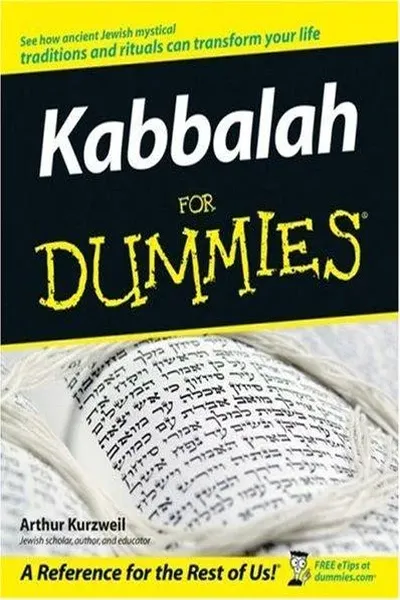
Kabbalah For Dummies

Kabbalah For Dummies

by Arthur Kurzweil

“Kabbalah For Dummies” by Arthur Kurzweil offers an accessible and straightforward entry point to the complex world of Qabalah. Kurzweil breaks down intricate ideas, historical context, and key concepts like the Tree of Life and Sephiroth into easily digestible explanations for a general audience. This book is an excellent starting point for anyone new to the study of Qabalah.

The eye of the needle

The eye of the needle

by B. C. J. Lievegoed

“The eye of the needle” by B. C. J. Lievegoed likely explores themes of spiritual development, human potential, or anthroposophical thought. B. C. J. Lievegoed was a prominent figure in the anthroposophical movement. This text would typically focus on esoteric Christianity or human evolution rather than the specific tenets of Jewish Qabalah.

Constantine of Pisa

Constantine of Pisa

by Constantinus Pisanus

“Constantine of Pisa” by Constantinus Pisanus likely explores the life, works, or historical context of this specific figure. Depending on the subject matter, it might touch upon medieval scholarship, philosophy, or religious thought. This text does not appear to be directly related to the mystical teachings of Qabalah, but rather focuses on a historical individual.

Ecstatic kabbalah

Ecstatic kabbalah

by David A. Cooper

“Ecstatic kabbalah” by David A. Cooper focuses on the experiential and meditative dimensions of Qabalah, drawing inspiration from the methods of Abraham Abulafia. Cooper's work emphasizes techniques for achieving altered states of consciousness through contemplation of Hebrew letters and divine names, aiming for direct mystical experience rather than purely intellectual study of Qabalah. It offers practical guidance for spiritual practice.

La Nuit

La Nuit

by Elie Wiesel

“La Nuit” by Elie Wiesel is a powerful and harrowing memoir recounting the author's experiences as a Jewish teenager in the Auschwitz and Buchenwald concentration camps during the Holocaust. While not a Qabalistic text, it offers profound reflections on faith, humanity, and suffering, themes that resonate deeply within Jewish spiritual traditions. The book remains a crucial testament to human resilience and the enduring impact of historical trauma.

Kabbalah

Kabbalah

by Elizabeth Clare Prophet

“Kabbalah” by Elizabeth Clare Prophet presents a unique perspective on Qabalah, often integrating it with broader New Age and spiritual concepts. Her approach seeks to make the mystical teachings accessible, connecting them to personal transformation and cosmic awareness. This book explores the Tree of Life and Sephiroth through a lens that emphasizes divine energy and individual spiritual growth, characteristic of her wider body of work.

Kabballah

Kabballah

by Gershon Scholem

“Kabballah” by Gershon Scholem is an authoritative and essential academic work that revolutionized the study of Jewish mysticism. Scholem's scholarship meticulously traces the historical development of Qabalah from its origins to its various manifestations, establishing it as a legitimate and profound field of academic inquiry. This book is a cornerstone for anyone seeking a deep, scholarly understanding of Qabalah.

The Zohar

The Zohar

by Harry Sperling; Maurice Simon

“The Zohar” by Harry Sperling; Maurice Simon is a widely recognized English translation of the seminal Qabalistic text. This rendition provides a crucial resource for English-speaking students to engage with the intricate symbolism, allegories, and mystical interpretations of the Torah found within the Zohar. It has been instrumental in making this cornerstone of Qabalah accessible to a broader audience.

Kabbalah

Kabbalah

by Joseph Dan

“Kabbalah” by Joseph Dan provides a scholarly and authoritative overview of this complex mystical tradition. Joseph Dan, a distinguished professor, is known for his extensive research into early Hasidic mysticism and Jewish esoteric literature. His work meticulously traces the historical development of Qabalah, offering critical insights into its textual sources, key figures, and diverse philosophical underpinnings within Jewish thought.

Astrology

Astrology

by Kabbalist Rav Berg

“Astrology” by Kabbalist Rav Berg delves into the spiritual significance of astrology through a Qabalistic lens. Kabbalist Rav Berg emphasizes that understanding the influence of celestial bodies, such as planets and zodiac signs, can provide tools for self-improvement and spiritual growth within the Qabalistic framework. His teachings often focus on practical applications of these esoteric connections.

Kabbalah

Kabbalah

by Lawrence Kushner

“Kabbalah” by Lawrence Kushner offers an accessible and engaging introduction to Jewish mysticism, particularly Qabalah. Kushner frequently employs parables, personal reflections, and evocative language to explain complex Qabalistic ideas, such as the nature of God, creation, and the human soul. His work is celebrated for its ability to illuminate profound spiritual truths in a gentle and inviting manner for contemporary readers.

Freemasonry

Freemasonry

by Mark Stavish

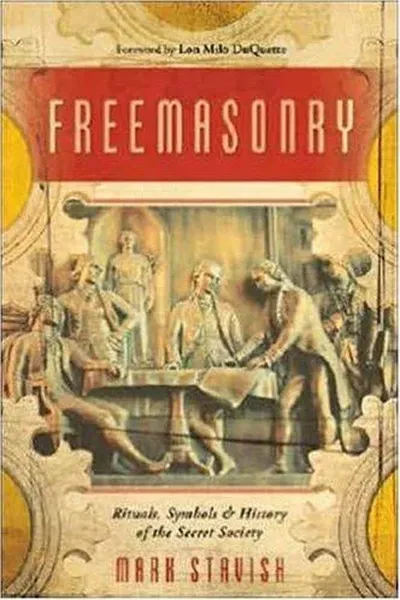
“Freemasonry” by Mark Stavish explores the esoteric dimensions of Masonic tradition, including potential influences from Qabalah. While not exclusively a Qabalistic text, it examines how certain Qabalistic symbols and concepts, particularly the Tree of Life, have been integrated into or paralleled within Masonic rituals and philosophy. Mark Stavish's work often bridges various Western esoteric traditions.

Kabbalah

Kabbalah

by Moshe Idel

“Kabbalah” by Moshe Idel presents a nuanced and often revisionist academic perspective on Jewish mysticism. Moshe Idel challenges the monolithic view of Qabalah, highlighting its diverse currents and the often-overlooked ecstatic dimensions of its practice. His scholarship delves into the individual mystical experiences and varied interpretations that shaped Qabalistic thought, particularly focusing on figures like Abraham Abulafia.

Astrology

Astrology

by Philip S. Berg

“Astrology” by Philip S. Berg integrates astrological principles with Qabalistic teachings, reflecting the approach of the Kabbalah Centre. Philip S. Berg explores how celestial influences can be understood and navigated through the framework of Qabalah, offering spiritual insights into personal destiny and cosmic connections. This work connects the ancient wisdom of both systems for modern spiritual application.

Parsha Notes

Parsha Notes

by Rafi Metz

“Parsha Notes” by Rafi Metz offers insights and commentaries on the weekly Torah portion, a traditional practice in Jewish study. While rooted in Jewish tradition, this specific work likely focuses on a textual and ethical analysis of the weekly readings rather than explicit Qabalistic interpretations. It provides a valuable resource for understanding the literal and homiletical meanings of the Torah.

The Black Arts

The Black Arts

by Richard Cavendish

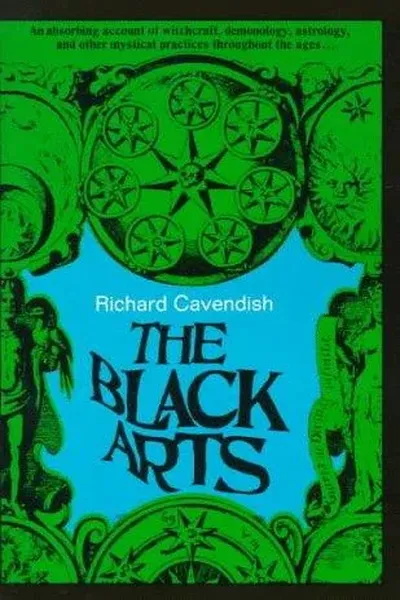
“The Black Arts” by Richard Cavendish is a classic survey of Western occult traditions, including practices like alchemy, ceremonial magic, and witchcraft. Cavendish's work often touches upon the historical and philosophical connections between these practices and elements of Qabalah, particularly Hermetic Qabalah, as a foundational system for magical theory. The book provides a broad contextual understanding of esoteric practices.

The Qabalistic Tarot

The Qabalistic Tarot

by Robert Wang

“The Qabalistic Tarot” by Robert Wang systematically links the symbolism of the Tarot cards to the Tree of Life and other Qabalistic concepts. Wang's work explores how each Tarot card corresponds to a specific Sephirah or path on the Tree of Life, providing a practical framework for divination, meditation, and understanding Qabalistic cosmology. It is a key text for integrating these two esoteric systems.

Kabbalah Unveiled

Kabbalah Unveiled

by S. L. MacGregor Mathers

“Kabbalah Unveiled” by S. L. MacGregor Mathers is a pivotal work that introduced parts of the Zohar and other Qabalistic texts to the Western esoteric tradition. Mathers' translation and commentary were instrumental in shaping Hermetic Qabalah, a non-Jewish form of Qabalah that integrated elements of magic, astrology, and alchemy. This book is a cornerstone for students of Western esotericism.

More simplified magic

More simplified magic

by Ted Andrews

“More simplified magic” by Ted Andrews provides practical exercises and simplified techniques for magical practice and spiritual development. While not exclusively Qabalistic, such works often draw from broader esoteric principles that can intersect with Qabalah. Andrews' approach aims to make magical concepts understandable and applicable for individuals seeking to enhance their spiritual abilities and understanding.

THE ZOHAR

THE ZOHAR

by elgamelyan

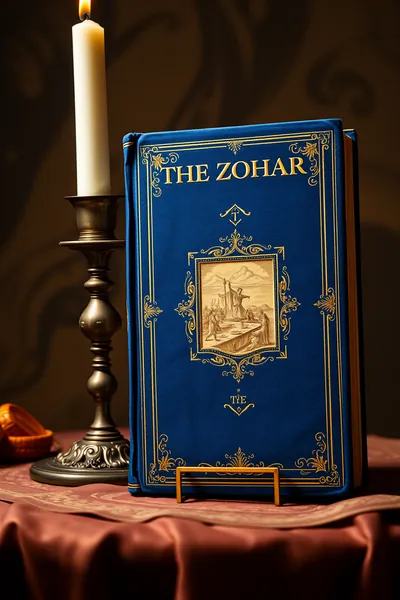
“THE ZOHAR” by elgamelyan represents a version of the foundational text of Jewish mysticism. The Zohar, primarily a commentary on the Torah, is considered the most important work of Qabalah and is written in Aramaic. It explores the esoteric dimensions of creation, the nature of God, the soul, and the spiritual significance of Jewish law, offering profound insights into the hidden aspects of reality.

Esoteric Library
Browse Esoteric Library
📚 All 52,000+ Books 🜍 Alchemy & Hermeticism 🔮 Magic & Ritual 🌙 Witchcraft & Paganism Astrology & Cosmology 🃏 Divination & Tarot 📜 Occult Philosophy ✡️ Kabbalah & Jewish Mysticism 🕉️ Mysticism & Contemplation 🕊️ Theosophy & Anthroposophy 🏛️ Freemasonry & Secret Societies 👻 Spiritualism & Afterlife 📖 Sacred Texts & Gnosticism 👁️ Supernatural & Occult Fiction 🧘 Spiritual Development 📚 Esoteric History & Biography
Esoteric Library
📑 Collections 📤 Upload Your Book
Account
🔑 Sign In Create Account
Info
About Esoteric Library