What are Pyramids?
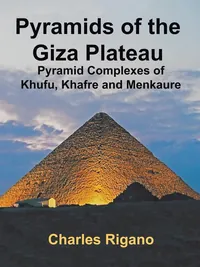
Pyramids are monumental structures, most famously associated with ancient Egypt, characterized by a square or triangular base and sloping sides that meet at an apex. Historically, they served as tombs for pharaohs, containing elaborate burial chambers and passages. Beyond their funerary purpose, their precise construction and alignment with celestial bodies have led to numerous theories regarding their original function, from astronomical observatories to energy devices.
Best Books for Complete Beginners
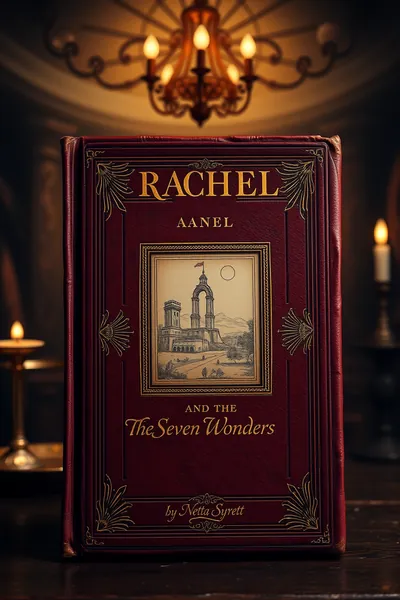
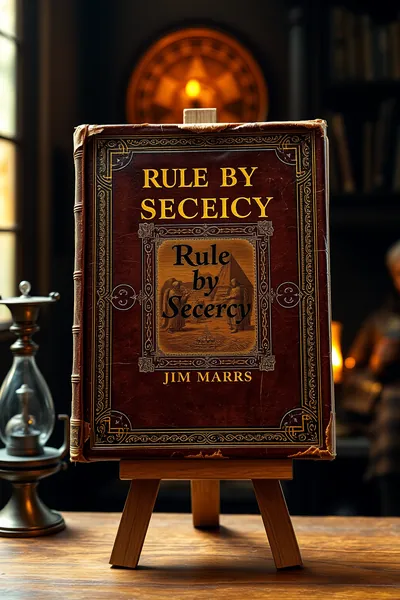
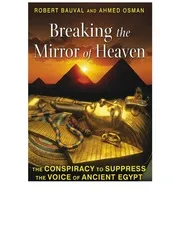
For those new to the subject, start with broad overviews. "Rachel and the Seven Wonders" by Netta Syrett provides a foundational look at these ancient marvels. Jim Marrs' "Rule By Secrecy" offers a compelling, albeit controversial, narrative linking pyramids to secret societies and hidden historical agendas. Robert Bauval's "The Conspiracy To Suppress The Voice Of Ancient Egypt" is essential for understanding the astronomical theories surrounding the Giza pyramids. These books lay the groundwork for deeper exploration.
Intermediate Reading
Moving beyond introductions, look at more specific theories and historical contexts. "The Forbidden History Of Europe" touches upon related ancient structures and their influence. "The Secret Teachings Of All Ages" by Manly P. Hall, while covering a vast range of esoteric subjects, includes significant sections on pyramid symbolism and ancient mystery schools. "The Emerald Tablets of Thoth The Atlantean" by Dr. M Doreal offers a text often linked to ancient knowledge and Atlantean civilizations, resonating with pyramid lore.
Classical / Advanced Texts
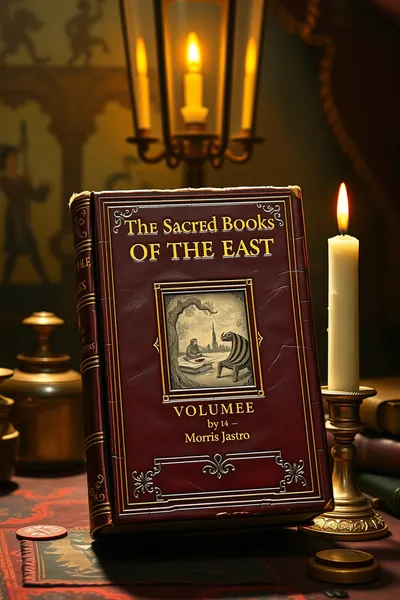
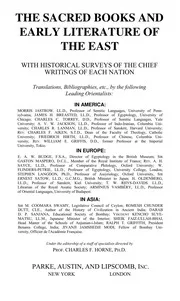
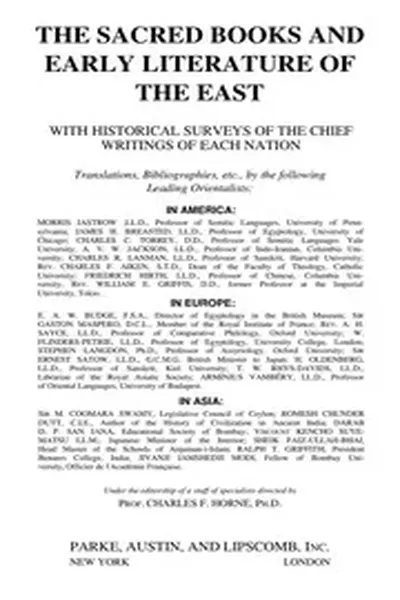
For advanced study, engage with primary source translations and comprehensive encyclopedic works. The multi-volume "The Sacred Books of the East" series, particularly volumes covering Egyptian and Vedic traditions, provides foundational philosophical and religious texts that inform esoteric interpretations of ancient structures. "Book Of Alchemy" and "The Emerald Tablets of Thoth The Atlantean" are considered key texts for understanding the alchemical and Hermetic traditions associated with ancient wisdom.
Reading Order — Step by Step
Begin with introductory texts like Syrett's "Rachel and the Seven Wonders" and Marrs' "Rule By Secrecy" in Month 1 to grasp basic historical and conspiratorial frameworks. In Month 2, transition to Bauval's "The Conspiracy To Suppress The Voice Of Ancient Egypt" and Hall's "The Secret Teachings Of All Ages" to explore astronomical alignments and symbolic meanings. By Month 3, look at the "Sacred Books of the East" series and "The Emerald Tablets of Thoth" for deeper philosophical and esoteric contexts. Continue with specialized texts as interest dictates.
Frequently Asked Questions
Which pyramid book should I read first?
For a beginner, start with 'Rachel and the Seven Wonders' by Netta Syrett for a general overview, or Jim Marrs' 'Rule By Secrecy' if you are interested in the connection to modern secret societies and hidden history.
Are pyramids just ancient tombs?
While their primary known function in Egypt was as tombs for pharaohs, numerous theories propose additional purposes, including astronomical observatories, energy generators, or symbolic representations of cosmic principles.
What is the significance of astronomical alignments in pyramids?
The precise alignment of pyramids with stars and cardinal directions suggests advanced astronomical knowledge and a deliberate connection to celestial cycles, often interpreted as a way to align earthly structures with cosmic order.
How do esoteric texts relate to pyramids?
Esoteric texts like 'The Emerald Tablets' or those within 'The Sacred Books of the East' explore ancient wisdom, Hermetic principles, and spiritual symbolism that scholars and enthusiasts often apply to understanding the deeper, non-conventional meanings of pyramids.
What are 'The Sacred Books of the East'?
This is a multi-volume series translating foundational religious and philosophical texts from Indian, Chinese, and Persian traditions. Certain volumes contain material relevant to ancient cosmologies and spiritual practices that intersect with pyramid symbolism.
Can pyramids generate energy?
Some modern theories, like those hinted at in patents such as 'US 20100207399 Pyramid Electric Generator,' propose that the geometric shape of a pyramid might possess unique energy-generating or amplifying properties, though this is outside mainstream science.
What is the connection between pyramids and Freemasonry?
Authors like Jim Marrs in 'Rule By Secrecy' suggest a historical link, positing that secret societies, including Freemasons, have preserved and utilized knowledge related to ancient pyramid builders and their symbolic significance.


![" A Self Powered Psychotronic Generator"...rch [ Vol. 35, No. 2, March April 1979]](/img/thumb/a-self-powered-psychotronic-generator-rch-vol-35-no-2-march-april-1979.webp)