What is Enchantment?
Enchantment, in its broadest sense, refers to the state of being under a spell or the act of casting one. It encompasses the allure and fascination that captivates the imagination, often associated with magic, wonder, and the supernatural. Historically, it has been linked to folklore, mythology, and ritualistic practices, representing a force that can alter perception or reality. The concept appears in literature as a narrative device to introduce magical elements or create an atmosphere of mystery and delight.
Best Books for Complete Beginners
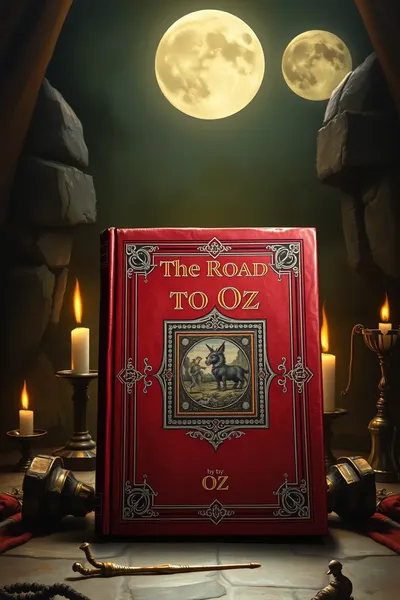
For those new to the study of enchantment, starting with accessible narratives and introductory folklore is recommended. L. Frank Baum's 'The Road to Oz' and 'The Enchanted Island of Yew' provide imaginative journeys into magical realms, ideal for sparking interest. E. Nesbit's 'The Enchanted Castle' offers a delightful blend of childhood adventure and subtle magic. Lady Wilde's 'Ancient legends, Mystic Charms & Superstitions of Ireland' introduces foundational concepts of folklore and charm. These works offer engaging entry points without requiring prior specialized knowledge.
Intermediate Reading
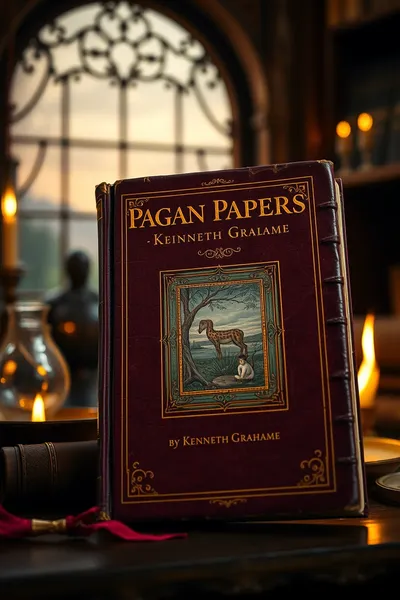
Moving beyond introductory fiction, intermediate readers can explore more direct examinations of magical practices and beliefs. Charles Godfrey Leland's 'Gypsy Sorcery and Fortune Telling' offers a detailed look at folk magic and divination. Kenneth Grahame's 'Pagan Papers' touches upon nature, myth, and older beliefs. William Godwin's 'Lives of the Necromancers' provides historical accounts of figures associated with magic, while Oliver Madox Hueffer's 'The book of witches' examines historical witch trials and beliefs.
Classical / Advanced Texts
Serious students will find value in primary source materials and deeper analyses. Roger Bacon's 'The Mirror of Alchimy' offers a historical perspective on alchemical traditions, a precursor to many magical theories. S. Baring-Gould's 'Historic Oddities and Strange Events' presents curated historical accounts of unusual phenomena and beliefs. J. Maxwell Wood's 'Witchcraft and superstitious record in the south-western district of Scotland' provides regional historical data on magical practices and accusations. These texts demand careful study and offer rich historical context.
Reading Order — Step by Step
Begin your journey with imaginative narratives like 'The Road to Oz' by L. Frank Baum and 'The Enchanted Castle' by E. Nesbit (Weeks 1-2). Transition to foundational folklore with Lady Wilde's 'Ancient legends, Mystic Charms & Superstitions of Ireland' (Month 1). In Month 2, explore practical folk magic and divination through Charles Godfrey Leland's 'Gypsy Sorcery and Fortune Telling' and historical accounts in William Godwin's 'Lives of the Necromancers'. For Month 3 and beyond, look at more scholarly and historical works such as Roger Bacon's 'The Mirror of Alchimy' or J. Maxwell Wood's 'Witchcraft and superstitious record in the south-western district of Scotland'.
Frequently Asked Questions
Which enchantment book should I read first?
For a gentle introduction, begin with 'The Road to Oz' by L. Frank Baum or 'The Enchanted Castle' by E. Nesbit. These offer imaginative stories that capture the essence of enchantment without complex theory.
Where can I learn about historical magic?
William Godwin's 'Lives of the Necromancers' and J. Maxwell Wood's 'Witchcraft and superstitious record in the south-western district of Scotland' offer historical accounts and regional data on past magical practices and beliefs.
What are some books on fortune telling?
'Gypsy Sorcery and Fortune Telling' by Charles Godfrey Leland provides detailed information on various divination methods. 'Fortunes and dreams' by Astra Cielo is another practical manual for interpreting dreams and omens.
Are there books that debunk magic?
Yes, 'Miracle Mongers and Their Methods' by Harry Houdini exposes the tricks behind various performances. Joseph Jastrow's 'Fact and Fable in Psychology' also critically examines psychological phenomena often mistaken for the supernatural.
What is the difference between folklore and magic?
Folklore refers to the traditional beliefs, customs, and stories of a community, often passed down orally. Magic is the practice of attempting to influence events or nature through supernatural means, often drawing upon elements found within folklore.
Are the Oz books considered enchantment literature?
Yes, L. Frank Baum's Oz books are prime examples of enchantment literature. They create fully realized magical worlds with distinct rules, characters, and fantastical events that captivate the reader's imagination.