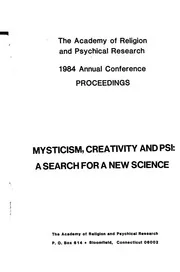
The Persian Mystics: Jalálu'd-dín Rúmí
 69
69

The Persian Mystics: Jalálu'd-dín Rúmí



The Persian Mystics: Jalálu'd-dín Rúmí is a timeless classic that continues to resonate with modern esoteric seekers. Rumi's poetry and prose are a beacon of spiritual enlightenment, guiding readers through the labyrinth of the soul. His words, translated beautifully into English, capture the essence of Sufi mysticism and offer a profound understanding of the divine. For those seeking to deepen their spiritual practice or gain a deeper appreciation for the esoteric traditions of the East, this book is an invaluable resource. The mystical insights and contemplative practices outlined in 'The Persian Mystics' provide a roadmap for spiritual growth and self-discovery. Rumi's teachings on love, unity, and the transcendent nature of the self are as relevant today as they were in the 13th century. This book is a must-read for anyone interested in the mystical and contemplative dimensions of human experience. 5 stars.
📝 Description
69
First published in 1901, The Persian Mystics: Jalálu'd-dín Rúmí presents Rumi's spiritual teachings.
This collection gathers selections of the 13th-century Persian poet and mystic Jalal al-Din Rumi's work. It includes his poetry and prose, focusing on themes of divine love and spiritual realization. The writings aim to guide the reader toward a deeper connection with the divine through contemplation. Rumi's verses use rich imagery and philosophical ideas to express complex spiritual concepts. The book offers a look into a tradition that emphasizes inner experience and mystical union.
The selections aim to convey Rumi's central ideas about the soul's path toward God. They touch on the nature of existence, the role of the lover and the beloved, and the ultimate dissolution of the self into the divine. This work is for readers interested in Sufi thought and the poetic expression of spiritual longing. It serves as an introduction to a significant figure in mystical literature.
Jalál al-dín Rúmí was a central figure in the Mevlevi order of Sufism, founded after his death. His poetry and teachings are a cornerstone of Islamic mysticism, particularly within Sufi traditions that seek direct experience of the divine. The emphasis on love, ecstasy, and the annihilation of the ego in union with God places his work firmly within esoteric spiritual practice. This book presents selections from his vast output, which has influenced spiritual thought across cultures for centuries.
✍️ Author
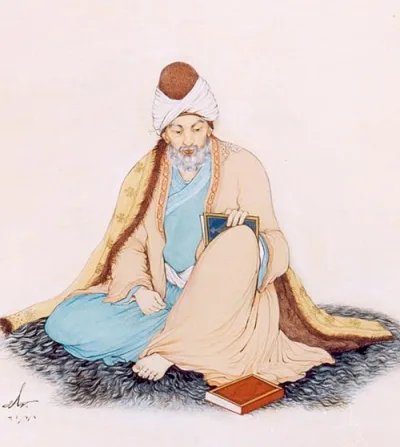
Jalal al-Din Rumi, Maulana
Jalāl al-Dīn Muḥammad Rūmī, commonly known as Rumi (30 September 1207 – 17 December 1273), was a Sufi mystic, poet, and founder of the Islamic brotherhood known as the Mevlevi Order. His family hailed from Balkh.
💡 Why Read This Book?
Reading 'The Persian Mystics: Jalálu'd-dín Rúmí' today offers a unique opportunity to connect with the timeless wisdom of one of the world's greatest mystics. This book provides readers with a deeper understanding of the esoteric traditions of Persia and the transformative power of mystical experiences. By exploring Rumi's teachings, readers can gain insights into the nature of divine love, the quest for spiritual enlightenment, and the universal quest for meaning and connection. Whether you are a seasoned spiritual seeker or a curious explorer of the esoteric, this book offers valuable perspectives and practices that can enrich your spiritual journey.
⭐ Reader Reviews
Honest opinions from readers who have explored this book.
❓ Frequently Asked Questions
What is the significance of 'The Persian Mystics' in Sufi literature?
The Persian Mystics: Jalálu'd-dín Rúmí is a foundational text in Sufi literature, offering deep insights into the mystical and contemplative practices of Sufism. It is celebrated for its poetic beauty and spiritual depth, making it a key work for understanding the esoteric traditions of Persia.
Who should read 'The Persian Mystics'?
This book is ideal for anyone interested in mysticism, contemplation, and the esoteric traditions of the East. It is particularly valuable for spiritual seekers, poetry lovers, and those studying Persian literature and Sufi philosophy.
What are the main themes explored in 'The Persian Mystics'?
The main themes in 'The Persian Mystics' include the nature of divine love, the quest for spiritual enlightenment, and the transformative power of mystical experiences. Rumi's writings also explore the concepts of unity, self-discovery, and the transcendent nature of the human spirit.
🔮 Key Themes & Symbolism
Spiritual Enlightenment
The Persian Mystics: Jalálu'd-dín Rúmí looks at the journey of spiritual enlightenment, exploring the inner domains of the soul and the search for divine knowledge. Through detailed symbolism and clear insights, Rumi guides readers towards a deeper understanding of the mystical path.
Mystical Symbolism
Rumi's work is replete with mystical symbolism that transcends the physical world, inviting readers to explore the hidden meanings behind everyday experiences. This theme is central to understanding the esoteric significance of his teachings.
Divine Love
The concept of divine love is a recurring theme in Rumi's writings, representing the ultimate connection between the human soul and the divine. This love is not merely romantic but a spiritual force that unites all beings.
💬 Memorable Quotes
Direct passages from the work, attributed to the author.
“Start a huge, foolish project, like Noah...”
— Rumi encourages bold, seemingly impossible endeavors as a path to spiritual growth and discovery.
“Dance, when you're broken open. Dance, if you've torn the bandage off.”
— Rumi advises embracing pain and vulnerability as a means to spiritual liberation and joy.
💡 Key Ideas
Editorial paraphrase of the work's core concepts — not direct quotes.
The wound is the place where the Light enters you.
This quote emphasizes the transformative power of suffering, suggesting that it opens the door to spiritual enlightenment.
What you seek is seeking you.
This line highlights the interconnectedness of the universe, where the seeker and the sought are one.
The universe is not outside of you. Look inside yourself.
This quote underscores the idea that the divine is within, and true understanding comes from inner exploration.
🌙 Esoteric Significance
Tradition
This book belongs to the Sufi tradition, a mystical branch of Islam that emphasizes the inner, spiritual dimensions of religious experience. Sufism is known for its detailed symbolism and esoteric teachings, which seek to reveal the hidden truths of the universe.
Symbolism
Key symbols in Rumi's work include the Beloved, representing the divine; the journey, symbolizing the spiritual quest; and the wine, which signifies spiritual intoxication and enlightenment. These symbols are central to understanding the esoteric significance of his teachings.
Modern Relevance
Rumi's teachings remain highly relevant today, inspiring modern spiritual leaders and practitioners. Many seekers of esoteric wisdom find solace and guidance in his writings, incorporating his insights into their spiritual practices.
👥 Who Should Read This Book
Beginners will find this book accessible and enlightening, offering a gentle introduction to mystical and esoteric themes. Scholars of mysticism will appreciate the depth and richness of Rumi's philosophical insights. Spiritual seekers will be drawn to the profound symbolism and hidden knowledge that permeate the text. Practitioners of esoteric traditions will find valuable guidance and inspiration in Rumi's teachings, making this book a must-read for anyone interested in the mystical and occult realms.
📜 Historical Context
The Persian Mystics: Jalálu'd-dín Rúmí was written during a time of great spiritual and cultural ferment in the Islamic world. Jalal al-Din Rumi, born in modern-day Afghanistan and living in what is now Turkey, was a key figure in the development of Sufism, a mystical branch of Islam. His works, which blend poetry, prose, and spiritual teachings, have had a profound influence on both Eastern and Western literature and thought. Rumi's teachings continue to inspire seekers of spiritual truth across the globe.
📔 Journal Prompts
Reflect on a moment of spiritual enlightenment in your life.
How does the concept of divine love resonate with your personal experiences?
What symbols from Rumi's work speak to you the most?
How can you incorporate Rumi's teachings into your daily spiritual practice?
What is the significance of the journey in your spiritual quest?
🗂️ Glossary
Sufism
A mystical branch of Islam that emphasizes the inner, spiritual dimensions of religious experience.
Divine Love
The ultimate connection between the human soul and the divine, representing a spiritual force that unites all beings.
Spiritual Enlightenment
The process of achieving a deeper understanding of the mystical path and the divine.
Mystical Symbolism
Symbols that transcend the physical world, inviting readers to explore hidden meanings and spiritual truths.
Beloved
A key symbol in Rumi's work, representing the divine and the ultimate object of spiritual longing.
This book appears in 2 collections
🔮 Readers Also Liked
Browse all →




More by Jalal al-Din Rumi, Maulana
All books →
From the “Christian Mysticism” Collection
View all →




More Free Mysticism & Contemplation Books
View all →