Divine Love in Islamic Mysticism - The Teachings of al-Ghazali and al-Dabbagh

 73
73

Divine Love in Islamic Mysticism - The Teachings of al-Ghazali and al-Dabbagh



Divine Love in Islamic Mysticism by Smirna Si is a compelling exploration of the esoteric teachings of al-Ghazali and al-Dabbagh. The author skillfully weaves together historical context, theological insights, and spiritual practices to provide a comprehensive overview of these two Sufi masters' contributions to Islamic mysticism. Si's analysis is both scholarly and accessible, making it an excellent resource for both academic and spiritual seekers. The book's strength lies in its ability to bridge the gap between theoretical knowledge and practical application, offering readers a pathway to deepen their own spiritual journeys. For modern esoteric seekers, this text serves as a beacon, guiding them through the complex landscape of Islamic mysticism. The detailed discussions on divine love and contemplation are particularly enlightening, providing a fresh perspective on age-old spiritual questions. This book is a must-read for anyone interested in the esoteric dimensions of Islam and the transformative power of Sufi teachings.
📝 Description
73
Smirna Si's 2023 book examines divine love through the thought of al-Ghazali and al-Dabbagh.
This study analyzes the concept of divine love as presented in the works of two prominent figures in Islamic mysticism: Abu Hamid al-Ghazali and Abd al-Aziz al-Dabbagh. Smirna Si reconstructs their theological and mystical frameworks, focusing on how they understood the nature of God's love and humanity's response to it. The book details al-Ghazali's philosophical background and his integration of Sufi practices with orthodox theology. It then contrasts and compares this with al-Dabbagh's more direct mystical experiences and teachings. Si highlights the symbolic language and contemplative methods both thinkers employed to convey their understanding of spiritual ascent and divine intimacy.
The author traces the lineage of these ideas within broader Islamic thought, showing how their interpretations of divine love offered pathways for spiritual seekers. The examination is grounded in primary texts and scholarly interpretations, aiming to clarify the specific contributions of al-Ghazali and al-Dabbagh to the discourse on divine love. The book aims to make these complex ideas accessible to a wider audience interested in the history of Sufism and its theological underpinnings.
This work situates the teachings of al-Ghazali and al-Dabbagh within the broader tradition of Islamic mysticism, known as Sufism. Sufism emphasizes the direct, personal experience of God and the purification of the soul as means to spiritual realization. Both figures, though separated by centuries, contributed to this path by articulating the central role of divine love in the spiritual life. Al-Ghazali, a theologian and jurist, integrated mystical experience with orthodox doctrine, while al-Dabbagh represented a later stream of Sufi thought focused on direct gnosis. Their writings reflect a common esoteric goal: achieving union or proximity to the Divine.
💡 Why Read This Book?
Reading Divine Love in Islamic Mysticism today offers a unique opportunity to explore the timeless wisdom of Islamic mysticism. This book provides a deep understanding of the esoteric teachings of al-Ghazali and al-Dabbagh, helping readers to connect with the spiritual heritage of Sufism. By delving into the themes of divine love and contemplation, readers can gain insights into their own spiritual journeys and find inspiration for personal growth and enlightenment. Whether you are a scholar, a student of religious studies, or a spiritual seeker, this book offers valuable knowledge and practical guidance.
⭐ Reader Reviews
Honest opinions from readers who have explored this book.
❓ Frequently Asked Questions
What is the focus of Divine Love in Islamic Mysticism?
The book focuses on the mystical teachings of al-Ghazali and al-Dabbagh, exploring themes of divine love and spiritual enlightenment within the context of Islamic mysticism.
Who should read this book?
This book is ideal for scholars, students of religious studies, and spiritual seekers interested in the esoteric dimensions of Islam and Sufi practices.
What makes this book unique?
Divine Love in Islamic Mysticism stands out for its comprehensive analysis of al-Ghazali and al-Dabbagh's teachings, providing both historical context and practical insights for spiritual seekers.
🔮 Key Themes & Symbolism
Divine Love
The central theme of the book is the exploration of divine love as taught by al-Ghazali and al-Dabbagh. This mystical love is seen as the ultimate goal of the spiritual seeker, transcending worldly attachments and leading to union with the divine. The book studies the esoteric dimensions of this love, revealing its hidden symbolism and profound significance.
Spiritual Enlightenment
The path to spiritual enlightenment is another key theme, with al-Ghazali and al-Dabbagh offering guidance on the practices and attitudes necessary for achieving this state. The book explores the mystical practices and contemplative techniques that lead to spiritual awakening, providing insights into the inner journey of the Sufi mystic.
Esoteric Symbolism
The book is rich in esoteric symbolism, with al-Ghazali and al-Dabbagh's teachings often expressed through symbolic language. This symbolism is decoded and interpreted, revealing the hidden meanings and mystical insights that lie beneath the surface. The book's exploration of symbolism provides a deeper understanding of Sufi mysticism and its esoteric dimensions.
💡 Key Ideas
Editorial paraphrase of the work's core concepts — not direct quotes.
Divine love is the essence of all existence, the hidden treasure that guides the seeker on the path to enlightenment.
This quote expresses the central theme of the book, emphasizing the mystical and esoteric nature of divine love.
The journey to spiritual enlightenment is one of self-discovery and inner transformation.
This quote highlights the transformative power of Sufi practices, inviting readers to start their own spiritual journey.
Symbolism is the language of the soul, revealing the hidden truths that lie beyond the field of ordinary perception.
This quote underscores the importance of esoteric symbolism in Sufi mysticism, encouraging readers to explore the deeper meanings behind symbolic language.
The path to divine love is one of surrender and devotion, requiring the seeker to let go of worldly attachments.
This quote emphasizes the necessity of surrender and devotion in the quest for divine love, a key aspect of Sufi spirituality.
Mystical teachings offer a glimpse into the hidden dimensions of reality, revealing the interconnectedness of all things.
This quote highlights the esoteric insights that Sufi teachings provide, inviting readers to explore the mystical dimensions of existence.
🌙 Esoteric Significance
Tradition
This book belongs to the Sufi tradition of Islamic mysticism, which emphasizes the inward search for God and the cultivation of a personal, direct experience of the divine. Sufi teachings often employ esoteric symbolism and hidden knowledge to convey their mystical insights, making them a rich source of spiritual wisdom for seekers of the esoteric.
Symbolism
Key symbols in Sufi mysticism include the heart, the soul, and the path. These symbols are often interpreted esoterically, revealing their deeper meanings and mystical significance. The heart, for example, is seen as the seat of divine love, while the soul represents the essence of the individual's being. The path symbolizes the spiritual journey towards enlightenment.
Modern Relevance
The teachings of al-Ghazali and al-Dabbagh remain relevant today, with modern practitioners and scholars continuing to explore their esoteric insights. The book's exploration of divine love, spiritual enlightenment, and esoteric symbolism offers valuable guidance for those seeking to deepen their spiritual practice and understanding of Sufi mysticism. Contemporary mystics and seekers can draw on the wisdom of these teachings to enrich their own spiritual journeys.
👥 Who Should Read This Book
This book is ideal for beginners in Sufi mysticism who seek an introduction to the profound teachings of al-Ghazali and al-Dabbagh. Scholars of Islamic mysticism will find it a valuable resource for understanding the esoteric dimensions of Sufi thought. Spiritual seekers will appreciate the book's exploration of divine love and spiritual enlightenment, while practitioners of contemplative practices will benefit from its insights into mystical techniques and attitudes. Those interested in the symbolic language of the soul will find the book's esoteric symbolism particularly enlightening.
📜 Historical Context
Written during a time of great spiritual and intellectual ferment, 'Divine Love in Islamic Mysticism' reflects the rich heritage of Sufi thought. The teachings of al-Ghazali and al-Dabbagh emerged in an era when Islamic mysticism was flourishing, with scholars and seekers exploring the depths of divine love and spiritual enlightenment. This book, based on original notes by Binyamin Abrahamov, captures the essence of this mystical tradition, providing a window into the esoteric wisdom of the past. Its influence can be seen in the works of later mystics and scholars, who continue to draw on the teachings of al-Ghazali and al-Dabbagh in their own spiritual journeys.
📔 Journal Prompts
Reflect on the concept of divine love as presented in the book. How does it differ from your current understanding of love?
Consider the path to spiritual enlightenment. What practices and attitudes do you think are necessary for achieving this state?
Explore the use of esoteric symbolism in Sufi mysticism. How does symbolic language reveal hidden truths and mystical insights?
Think about the idea of surrender and devotion in the quest for divine love. How does this concept resonate with your own spiritual journey?
Reflect on the interconnectedness of all things, as discussed in the book. How does this mystical perspective influence your understanding of reality?
🗂️ Glossary
Divine Love
The ultimate goal of the spiritual seeker in Sufi mysticism, representing a deep, mystical connection with the divine.
Spiritual Enlightenment
The state of inner awakening and union with the divine, achieved through mystical practices and contemplation.
Esoteric Symbolism
The use of symbolic language to convey hidden truths and mystical insights, often employed in Sufi teachings.
Sufism
The mystical branch of Islam that emphasizes the inward search for God and the cultivation of a personal, direct experience of the divine.
Mystical Practices
Contemplative techniques and spiritual exercises used to achieve spiritual enlightenment and union with the divine.
This book appears in 2 collections
🔮 Readers Also Liked
Browse all →








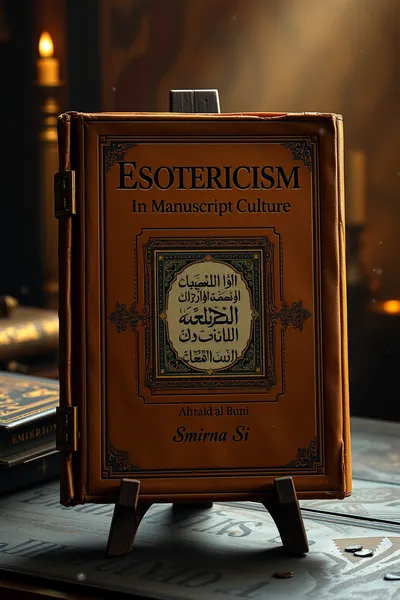
More by Smirna Si
All books →




From the “Christian Mysticism” Collection
View all →








More Free Mysticism & Contemplation Books
View all →