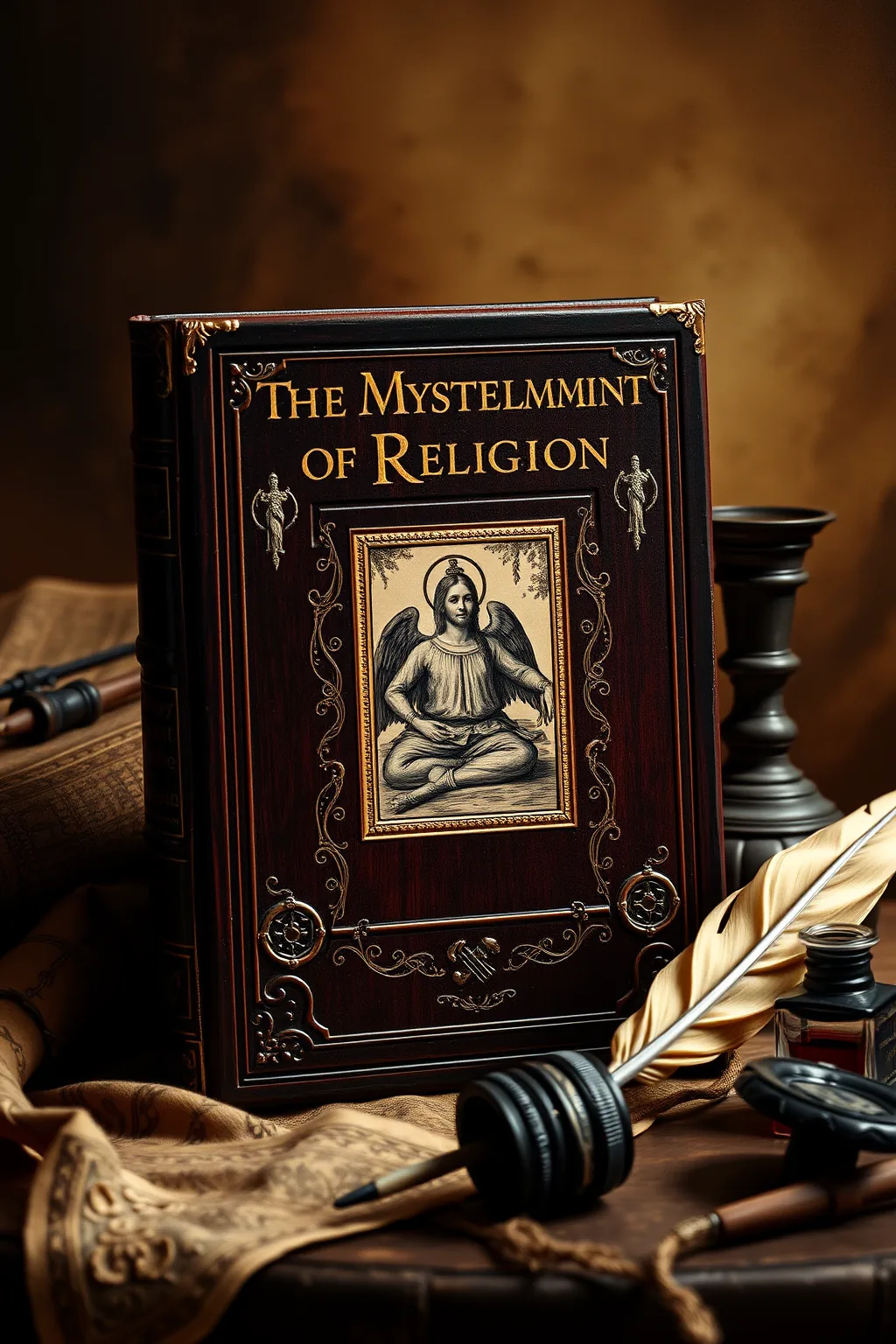
The Mystical Element of Religion, as studied in Saint Catherine of Genoa and her friends, Volume 1 (of 2)
 70
70

The Mystical Element of Religion, as studied in Saint Catherine of Genoa and her friends, Volume 1 (of 2)



Friedrich von Hügel's The Mystical Element of Religion offers a meticulously researched and deeply insightful exploration of the mystical experiences of Saint Catherine of Genoa. For modern esoteric seekers, this text provides a rich historical context that illuminates the enduring relevance of mystical traditions. Von Hügel's scholarly approach makes complex theological concepts accessible, providing a bridge between historical mysticism and contemporary spiritual inquiry. The book's detailed analysis of Catherine's writings and teachings offers valuable insights into the nature of mystical union and the role of contemplation in spiritual growth. While the language and style may be somewhat dense for casual readers, the depth of information and the historical significance of the subject matter make it a worthwhile investment for serious students of mysticism. The text's exploration of esoteric themes within a Christian framework also makes it a unique resource for those interested in the intersection of different spiritual traditions. Overall, this book is a treasure trove of knowledge for anyone seeking to deepen their understanding of mystical and contemplative practices.
📝 Description
70
Friedrich von Hügel's 1908 study examines the spiritual life of Saint Catherine of Genoa.
Friedrich von Hügel's first volume, published in 1908, begins his study of the mystical element in religion through an examination of Saint Catherine of Genoa and her circle. He meticulously analyzes their experiences of divine communion and the symbolic language they employed.
Hügel's work moves beyond mere historical account, aiming to uncover the underlying philosophical structures of mystical religion. He treats the spiritual lives of Catherine and her contemporaries not as isolated phenomena but as manifestations of universal principles. The book aims to clarify the relationship between the material and spiritual dimensions of religious experience, presenting a detailed account of how esoteric thought informs religious practice.
This work engages with the Catholic mystical tradition, specifically focusing on figures like Saint Catherine of Genoa. Hügel places her experiences within a broader context of Christian esotericism, examining how individuals connect with the divine and express these encounters through symbolic means. The study considers the interplay between lived religious experience and theological interpretation, seeking to articulate the 'mystical element' that transcends ordinary religious observance.
✍️ Author
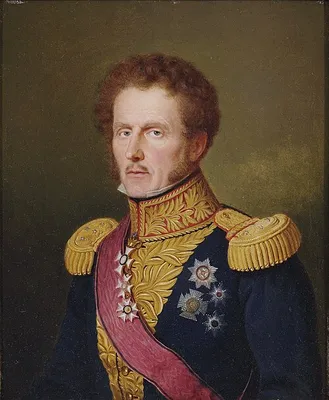
Hügel, Friedrich, Freiherr von
Ernst Eugen, Baron von Hügel (26 March 1774 – 30 March 1849) was a Württemberg General during the Napoleonic Wars and Minister of War between 1829 and 1842. == Early life == Hügel was born on 26 March 1774 in Ludwigsburg. He was the son of Susanna Margare…
💡 Why Read This Book?
Reading The Mystical Element of Religion today offers a unique opportunity to explore the esoteric dimensions of Christianity through the lens of one of its most revered mystics. Saint Catherine of Genoa's spiritual experiences provide a timeless model for contemplative practice, and Friedrich von Hügel's analysis enriches our understanding of these mystical traditions. By delving into this text, readers gain a deeper appreciation for the mystical path and its enduring relevance in modern spiritual inquiry. The book's historical and theological insights make it an invaluable resource for both scholars and spiritual seekers alike.
⭐ Reader Reviews
Honest opinions from readers who have explored this book.
❓ Frequently Asked Questions
Who was Saint Catherine of Genoa?
Saint Catherine of Genoa was a 15th-century mystic known for her deep spiritual insights and devotion. She is renowned for her writings on mystical union and contemplative practices within the Christian tradition.
What is the significance of this book for modern readers?
This book offers a detailed exploration of mystical experiences and their relevance in contemporary spiritual inquiry. It provides historical context and theological insights that enrich our understanding of esoteric traditions.
Is this book suitable for beginners in mysticism?
While the book is highly informative, its scholarly approach and dense language may be challenging for beginners. It is more suited for those with some background in religious studies or mysticism.
🔮 Key Themes & Symbolism
Mystical Contemplation
The book studies the depths of mystical contemplation, exploring the hidden pathways of spiritual practice. Von Hügel's insights into the esoteric dimensions of faith provide a rich foundation for understanding the mystical underpinnings of religious experiences.
Symbolic Wisdom
Symbolism plays a central role in the text, with von Hügel unraveling the layers of esoteric thought through the lives of Saint Catherine of Genoa and her contemporaries. This exploration of symbolic wisdom offers a unique perspective on the spiritual journeys that have guided souls through the ages.
Philosophical Significance
The philosophical significance of contemplative practice is a central theme. Von Hügel's meticulous scholarship provides a narrative that is both engaging and enlightening, making it a valuable resource for scholars and practitioners of mysticism.
💬 Memorable Quotes
Direct passages from the work, attributed to the author.
“Saint Catherine's journey is a evidence of the power of contemplative practice.”
— Von Hügel's insights into the spiritual journeys of Saint Catherine and her contemporaries offer a rich source of esoteric wisdom and symbolic knowledge.
“Esoteric symbols guide us through the labyrinth of the soul.”
— Symbolism is a key theme in the text, with von Hügel unraveling the layers of esoteric thought through the lives of Saint Catherine and her friends.
💡 Key Ideas
Editorial paraphrase of the work's core concepts — not direct quotes.
The mystical element of religion is the hidden pathway to divine communion.
This quote underscores the book's exploration of the esoteric dimensions of faith, highlighting the mystical underpinnings of religious experiences.
The veil between the material and the spiritual worlds grows thin in moments of deep contemplation.
This quote emphasizes the book's focus on the mystical elements of religion, providing a unique perspective on the spiritual journeys that have guided souls through the ages.
The philosophical significance of contemplative practice is a beacon for seekers of spiritual truth.
This quote highlights the book's exploration of the philosophical foundations of mystical contemplation, making it a valuable resource for scholars and practitioners of mysticism.
🌙 Esoteric Significance
Tradition
This book belongs to the Hermetic tradition, which emphasizes the hidden knowledge and symbolic wisdom that guide souls through the ages. Von Hügel's exploration of Saint Catherine of Genoa's life provides a wide range of esoteric insights, making it a valuable resource for those interested in Hermetic philosophy.
Symbolism
Key symbols in the text include the mystical elements of religion, the spiritual journeys of Saint Catherine and her contemporaries, and the esoteric dimensions of faith. These symbols offer a unique perspective on the philosophical foundations of contemplative practice, making the book a rich source of esoteric knowledge.
Modern Relevance
The book's teachings are relevant to modern practitioners of mystical and contemplative arts. Its insights into the esoteric dimensions of faith can be applied to contemporary spiritual practices, offering a deeper understanding of religious experiences. Modern practitioners who use this book include scholars of mysticism, spiritual seekers, and practitioners of contemplative arts.
👥 Who Should Read This Book
This book is ideal for scholars of mysticism, spiritual seekers, and practitioners of contemplative arts. Beginners may find it challenging but rewarding with careful study and reflection. For those with some prior understanding of mystical and contemplative practices, the book offers a rich source of esoteric insights and philosophical significance. It is an invaluable addition to any mystical library, providing a unique perspective on the spiritual journeys that have guided souls through the ages.
📜 Historical Context
Written in the late 19th century, 'The Mystical Element of Religion' emerged during a time of significant spiritual and intellectual ferment. Friedrich von Hügel's work was instrumental in bridging the gap between traditional religious practices and the emerging fields of psychology and philosophy. His exploration of Saint Catherine of Genoa's life provided a fresh perspective on the mystical elements of religion, influencing subsequent generations of scholars and practitioners. The book's enduring relevance lies in its ability to illuminate the hidden pathways of contemplative practice, offering insights that resonate with modern seekers of spiritual truth.
📔 Journal Prompts
Reflect on the mystical elements of your own religious experiences. How do they compare to those explored in the book?
Consider the role of symbolism in your spiritual practice. How do esoteric symbols guide you through the labyrinth of the soul?
Explore the philosophical significance of contemplative practice in your life. How does it provide a foundation for spiritual truth?
Think about the historical context of the book. How does it influence your understanding of mystical and contemplative practices today?
Reflect on the relevance of the book's teachings to your modern spiritual practices. How do they offer a deeper understanding of religious experiences?
🗂️ Glossary
Mystical Contemplation
The practice of deep, spiritual reflection aimed at achieving union with the divine. It involves exploring the hidden pathways of the soul and the esoteric dimensions of faith.
Esoteric Symbolism
Symbols that hold hidden meanings and are used to guide souls through the labyrinth of the spiritual journey. They are often found in mystical and contemplative practices.
Hermetic Tradition
A philosophical and spiritual tradition that emphasizes the hidden knowledge and symbolic wisdom that guide souls through the ages. It is often associated with alchemy and mysticism.
Contemplative Practice
The act of engaging in deep, spiritual reflection and meditation to achieve a state of divine communion. It is a central theme in mystical literature and esoteric knowledge.
Divine Communion
The state of union with the divine, achieved through mystical contemplation and esoteric practices. It is the ultimate goal of many spiritual seekers and practitioners of contemplative arts.
This book appears in 1 collection
🔮 Readers Also Liked
Browse all →








More by Hügel, Friedrich, Freiherr von
All books →From the “Christian Mysticism” Collection
View all →







More Free Mysticism & Contemplation Books
View all →