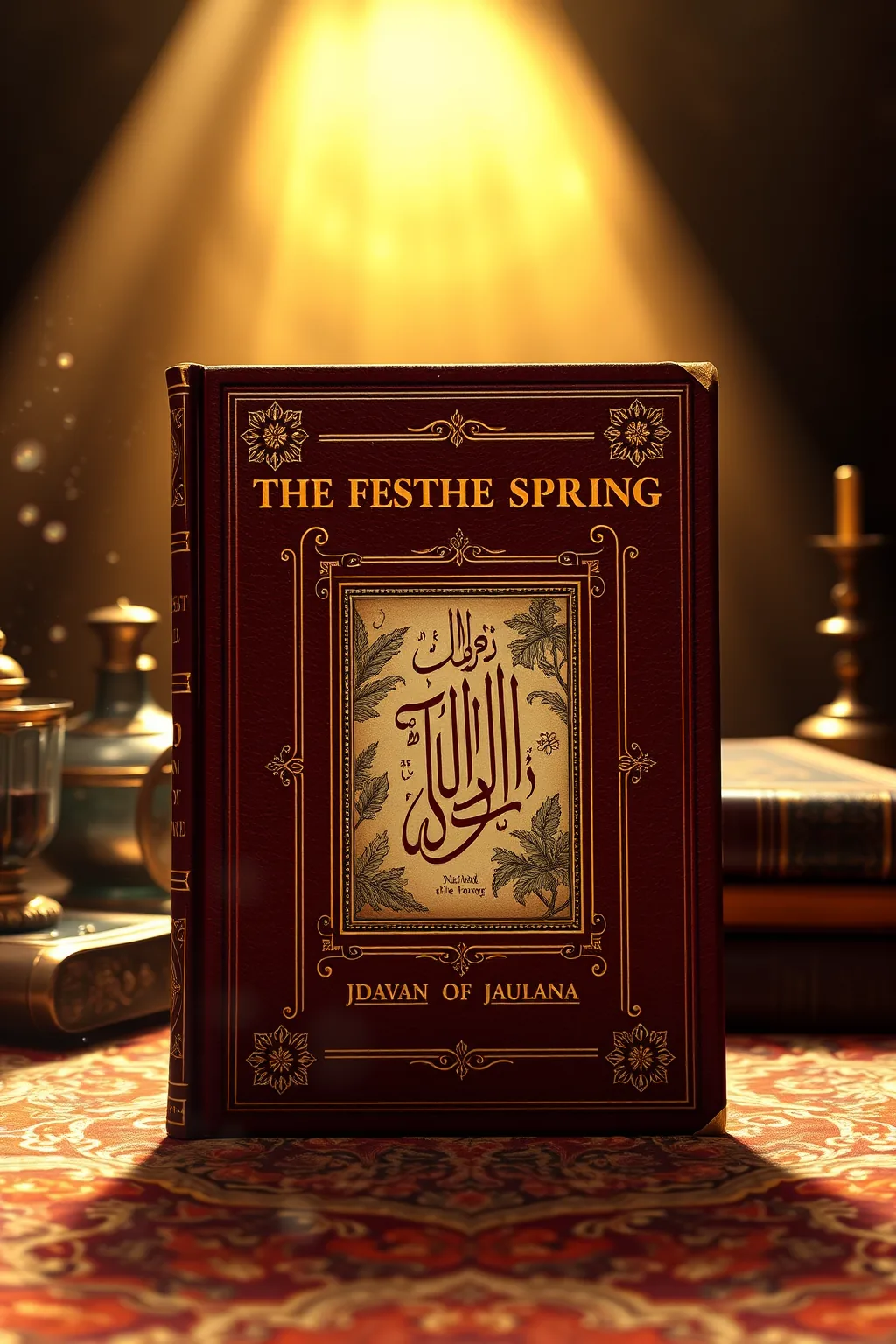
The Festival of Spring, from the Díván of Jeláleddín: Rendered in English Gazels after Rückert's Versions, with an Introduction and a Criticism of the Rubáiyát of Omar Khayyám
 69
69

The Festival of Spring, from the Díván of Jeláleddín: Rendered in English Gazels after Rückert's Versions, with an Introduction and a Criticism of the Rubáiyát of Omar Khayyám



The Festival of Spring is a timeless gem for modern esoteric seekers. Jalal al-Din Rumi's poetry transcends time and space, offering readers a glimpse into the mystical traditions of Sufism. The inclusion of an introduction and a critical analysis of the Rubáiyát of Omar Khayyám adds significant value, providing a comprehensive understanding of Sufi mysticism. The book's esoteric themes and contemplative nature make it an essential read for those interested in the occult and spiritual enlightenment. The poetic renderings are beautifully crafted, capturing the essence of Rumi's original verses while making them accessible to English-speaking readers. This book is a must-have for anyone seeking to deepen their spiritual journey and explore the mystical dimensions of human existence.
📝 Description
69
This 1903 translation presents Rumi's 'Festival of Spring' gazels, drawing on Rückert's German versions.
This 1903 volume contains English gazels from Jalal al-Din Rumi's Díván, specifically focusing on 'The Festival of Spring.' The translations are based on Friedrich Rückert's German renderings. The collection consists of short, lyrical poems that Rumi, a 13th-century Persian poet and Sufi mystic, wrote as part of his vast poetic output.
These gazels communicate themes of divine love and longing for union with God, a central concern in Rumi's work. The poems use symbolic language to express the spiritual path. The introduction and critical commentary also engage with the poetry of Omar Khayyám, comparing Rumi's approach to Sufi mysticism with Khayyám's philosophical outlook.
The book aims to make Rumi's mystical poetry accessible to an English-speaking audience, reflecting the spiritual and contemplative dimensions of Sufism. It presents these poems as expressions of a deep inner life and a quest for spiritual understanding.
This work belongs to the tradition of Sufism, the mystical dimension of Islam. Jalal al-Din Rumi (1207-1273) is a central figure in this tradition, known for his poetry that expresses the soul's journey toward union with the divine. Sufism emphasizes direct experience of God through love, meditation, and ethical discipline. Rumi's Díván, from which these gazels are drawn, is a collection of his ecstatic poetry, often written in a state of spiritual intoxication.
✍️ Author
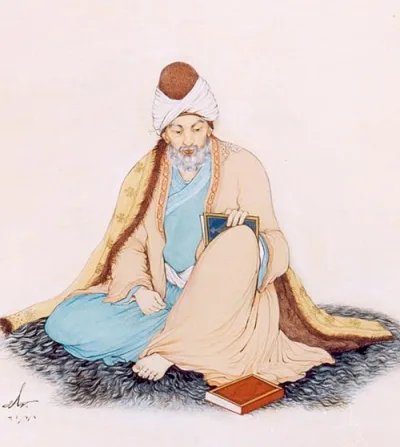
Jalal al-Din Rumi, Maulana
Jalāl al-Dīn Muḥammad Rūmī, commonly known as Rumi (30 September 1207 – 17 December 1273), was a Sufi mystic, poet, and founder of the Islamic brotherhood known as the Mevlevi Order. His family hailed from Balkh.
💡 Why Read This Book?
Reading 'The Festival of Spring' today offers readers a profound exploration of Sufi mysticism and esoteric wisdom. This book provides a unique perspective on spiritual enlightenment and the search for divine union, making it an invaluable resource for modern seekers. The poetic renderings and critical analysis enrich the reading experience, offering insights into both the historical and contemporary significance of Sufi thought. Whether you are a seasoned esoteric practitioner or a curious newcomer, this book will deepen your understanding and appreciation of mystical traditions.
⭐ Reader Reviews
Honest opinions from readers who have explored this book.
❓ Frequently Asked Questions
What is the significance of 'The Festival of Spring'?
The Festival of Spring is significant for its exploration of Sufi mysticism and its poetic rendition of Rumi's Díván. It offers deep insights into the esoteric traditions of Persian literature.
Who should read this book?
This book is ideal for readers interested in Sufi poetry, esoteric studies, and spiritual contemplation. It is particularly valuable for those seeking a deeper understanding of mystical traditions.
What themes are explored in 'The Festival of Spring'?
The book explores themes of love, divine union, and the search for enlightenment. It provides a rich historical and cultural context for understanding Sufi mysticism.
🔮 Key Themes & Symbolism
Divine Love
The gazels in 'The Festival of Spring' are steeped in the theme of divine love, where the soul's longing for union with the divine is expressed through poetic symbolism. This love transcends human emotions and represents the ultimate spiritual quest.
Spiritual Journey
Rumi's poetry often reflects the spiritual journey of the soul, navigating through the trials and tribulations of life to reach a state of enlightenment. The gazels in this collection are no exception, offering insights into the transformative power of spiritual practice.
Symbolism and Hidden Knowledge
The gazels are rich in symbolism, with each word and phrase carrying layers of hidden knowledge. This symbolism serves as a tool for spiritual contemplation, inviting readers to delve deeper into the mysteries of the divine and the human condition.
💡 Key Ideas
Editorial paraphrase of the work's core concepts — not direct quotes.
The reed flute's song is fire, not water.
This quote symbolizes the soul's longing for union with the divine, expressing the pain and ecstasy of spiritual awakening.
I died as a mineral and became a plant.
This line from Rumi's gazels represents the stages of spiritual evolution, where the soul transcends its physical form to seek higher domains of existence.
The lover's cause is separate from all others.
This quote underscores the uniqueness of the spiritual journey, where the seeker's path is distinct and personal, guided by divine love.
The secret of secrets is hidden in the heart.
This line emphasizes the esoteric nature of spiritual knowledge, which is revealed only to those who seek it with an open and pure heart.
In the garden of mystic truth, every flower is a secret.
This quote highlights the hidden knowledge and symbolism in Sufi poetry, where each element carries a deeper spiritual meaning.
🌙 Esoteric Significance
Tradition
This book belongs to the Sufi tradition, a mystical branch of Islam that emphasizes the direct experience of the divine. Sufism is known for its esoteric practices and hidden knowledge, which are often expressed through poetry and symbolism.
Symbolism
Key symbols in this book include the reed flute, the garden, and the lover's journey. The reed flute represents the soul's longing for union with the divine, the garden symbolizes the spiritual realm, and the lover's journey signifies the seeker's path towards enlightenment.
Modern Relevance
Today, the esoteric insights in 'The Festival of Spring' continue to resonate with spiritual seekers and practitioners. Modern practitioners of Sufism and other mystical traditions draw inspiration from Rumi's gazels, using them as tools for spiritual contemplation and self-discovery.
👥 Who Should Read This Book
Beginners in the field of Sufi mysticism will find this book to be an accessible and evocative introduction to the spiritual journey. Scholars of esoteric traditions will appreciate the depth of symbolism and hidden knowledge in the gazels. Spiritual seekers will be inspired by the themes of divine love and spiritual evolution, while practitioners of mystical disciplines will find valuable insights for their own spiritual practices. In summary, anyone interested in the mystical and contemplative dimensions of Sufi poetry will benefit from reading this book.
📜 Historical Context
Written during the 13th century, 'The Festival of Spring' reflects the rich cultural and spiritual heritage of the Islamic Golden Age. Rumi's gazels, rendered in English by Friedrich Rückert, offer a glimpse into the mystical traditions of Sufism, which emphasized the inner spiritual journey over ritualistic practices. This book was important during its time as it provided a counterpoint to the orthodox interpretations of Islam, emphasizing the personal and direct experience of the divine. Its influence can be seen in the works of later mystics and poets, who drew inspiration from Rumi's useful insights and poetic expression.
📔 Journal Prompts
How does the concept of divine love manifest in your own spiritual journey?
Reflect on a symbol from the gazels that appeals to you and explore its deeper meaning.
Consider the stages of spiritual evolution described in the gazels and where you see yourself in this journey.
What insights from the gazels can you apply to your daily spiritual practice?
How does the idea of hidden knowledge and symbolism in Sufi poetry enrich your understanding of mysticism?
🗂️ Glossary
Gazel
A short, lyrical poem often used in Sufi poetry to explore themes of love, spirituality, and the divine.
Divine Love
The ultimate spiritual quest in Sufism, where the soul seeks union with the divine.
Sufi Tradition
A mystical branch of Islam that emphasizes the direct experience of the divine through esoteric practices and hidden knowledge.
Symbolism
The use of symbols to convey deeper spiritual meanings and insights in Sufi poetry.
Spiritual Evolution
The transformative journey of the soul through various stages of enlightenment and union with the divine.
This book appears in 2 collections
🔮 Readers Also Liked
Browse all →




More by Jalal al-Din Rumi, Maulana
All books →
From the “Christian Mysticism” Collection
View all →






More Free Mysticism & Contemplation Books
View all →