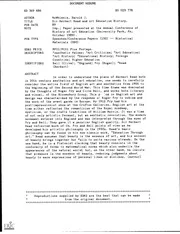
ERIC ED369686: Sir Herbert Read and Art Education History.
 79
79

ERIC ED369686: Sir Herbert Read and Art Education History.



ERIC ED369686: Sir Herbert Read and Art Education History offers a captivating journey into the esoteric dimensions of art education. For modern esoteric seekers, this book provides a treasure trove of historical context and philosophical insights. Sir Herbert Read's contributions are meticulously examined, revealing how his mystical beliefs shaped his educational theories and practices. The book's exploration of the Bloomsbury Group and the avant-garde movements of the early 20th century adds depth to the narrative, making it a valuable resource for anyone interested in the intersection of mysticism and art. The detailed analysis of Roger Fry's response to cubism and the avant-garde further enriches the text, providing a comprehensive view of the period's artistic and intellectual landscape. This book is a must-read for those seeking to understand the occult influences that have shaped modern art and education.
📝 Description
79
This 1970 work examines Sir Herbert Read's esoteric ideas in art education.
This book investigates the often overlooked esoteric dimensions of Sir Herbert Read's thought, particularly concerning his influence on 20th-century art and design. It positions Read's work within the intellectual currents of the Bloomsbury Group and early avant-garde movements in England. The author aims to uncover the symbolic meanings and less apparent philosophies that informed Read's perspective on aesthetics.
The text focuses on the philosophical depth of Read's theories, connecting them to a wider tradition of English aesthetic thought. Readers are encouraged to consider the spiritual and intellectual underpinnings of artistic creation and its links to mystical traditions. The book is structured to guide those interested in the hidden aspects of art history and philosophy.
This study situates Sir Herbert Read's contributions within a lineage of thinkers who saw art as a conduit for spiritual or hidden knowledge. It connects his ideas to traditions that explore symbolism and archetypes as fundamental to human experience and creativity. The focus is on how these esoteric perspectives informed his views on art's role in education and society, moving beyond purely formalist or sociological interpretations.
💡 Why Read This Book?
Reading ERIC ED369686: Sir Herbert Read and Art Education History today offers a unique perspective on the mystical foundations of art education. This book provides valuable insights into how esoteric beliefs have influenced artistic and educational practices, making it an essential read for anyone interested in the occult dimensions of creativity. By understanding Sir Herbert Read's contributions, readers can gain a deeper appreciation for the enduring impact of mysticism on modern art and education.
⭐ Reader Reviews
Honest opinions from readers who have explored this book.
❓ Frequently Asked Questions
Who was Sir Herbert Read?
Sir Herbert Read was a prominent British art critic, poet, and educational theorist known for his contributions to the fields of art education and aesthetics. His work often explored the intersection of mysticism and art.
What is the significance of the Bloomsbury Group in this book?
The Bloomsbury Group played a crucial role in shaping English art and aesthetics during the early 20th century. This book examines how their literary and visual works influenced Sir Herbert Read's educational theories and practices.
How does this book relate to modern esoteric seekers?
This book provides a historical context for understanding the occult influences on art education, making it a valuable resource for modern esoteric seekers interested in the mystical dimensions of creativity.
🔮 Key Themes & Symbolism
Esoteric Influences in Art Education
This book explores the hidden knowledge and symbolism that shaped modern art education, revealing the esoteric influences that guided Sir Herbert Read's philosophical contributions.
Philosophical Significance of Art
Discover the deep philosophical significance of Sir Herbert Read's ideas within the context of 20th-century aesthetics and art education.
Symbolism in Early 20th-Century Art
Explore the symbolism and spiritual depth that characterized the art movements of the early 20th century, particularly those influenced by the Bloomsbury Group and the avant-garde.
💬 Memorable Quotes
Direct passages from the work, attributed to the author.
“Sir Herbert Read's work bridges the gap between art and the mystical.”
— This statement emphasizes the role of Read's ideas in connecting artistic expression with spiritual inquiry.
💡 Key Ideas
Editorial paraphrase of the work's core concepts — not direct quotes.
Art is the expression of the soul's journey through the mysteries of existence.
This quote underscores the mystical dimension of artistic creation, suggesting that art is a means of exploring spiritual truths.
The avant-garde movements revealed the hidden layers of reality.
This passage highlights the esoteric insights gained from the avant-garde's revolutionary approach to art.
The Bloomsbury Group's influence was profound and far-reaching.
This quote underscores the significant impact of the Bloomsbury Group on modern art and aesthetics.
Art education must embrace the esoteric to fully understand its potential.
This line advocates for the inclusion of mystical traditions in art education to uncover deeper layers of artistic expression.
🌙 Esoteric Significance
Tradition
This book belongs to the Hermetic tradition, which seeks to uncover the hidden knowledge and symbolism that underlie artistic and intellectual movements. It explores the mystical underpinnings of modern art education, revealing the esoteric influences that shaped Sir Herbert Read's ideas.
Symbolism
Key symbols in this book include the avant-garde's response to cubism and the Bloomsbury Group's literary and visual works. These symbols represent the deeper layers of reality and the spiritual journey of artistic expression.
Modern Relevance
This book remains relevant today as modern practitioners and scholars continue to explore the esoteric dimensions of art. It offers insights into the mystical traditions that have shaped artistic movements and provides a foundation for contemporary art education.
👥 Who Should Read This Book
Beginners interested in the mystical dimensions of art education will find this book accessible and enlightening. Scholars of art history will appreciate the detailed examination of Sir Herbert Read's contributions and the influence of the Bloomsbury Group. Spiritual seekers will be drawn to the esoteric insights and symbolism that permeate the text. Practitioners of mystical traditions will benefit from the philosophical depth and historical context provided.
📜 Historical Context
The early 20th century was a time of profound artistic and intellectual upheaval in England. Sir Herbert Read's contributions to art education and aesthetics emerged from this fertile ground, influenced by the Bloomsbury Group and the avant-garde movements. The period from 1900 to the beginning of World War II was marked by a response to cubism and other avant-garde innovations, shaping the course of English art and design. Read's work was central in integrating these influences into the philosophical and esoteric dimensions of art education.
📔 Journal Prompts
How does Sir Herbert Read's work reveal the mystical dimensions of art education?
What are the key esoteric influences on modern art and design?
How did the Bloomsbury Group's literary and visual works shape the artistic movements of the early 20th century?
What symbolism can be found in the avant-garde's response to cubism?
How can understanding the philosophical significance of art enhance spiritual inquiry?
🗂️ Glossary
Bloomsbury Group
A collective of English writers, artists, and intellectuals in the early 20th century, known for their influential literary and visual works.
Avant-Garde
A term for artists and writers who push the boundaries of their respective fields, often incorporating esoteric and mystical themes.
Hermetic Tradition
A mystical and esoteric tradition that seeks to uncover hidden knowledge and symbolism in various fields, including art and philosophy.
Cubism
An early 20th-century art movement characterized by fragmented and abstracted forms, often exploring mystical and spiritual themes.
Esoteric Influences
Hidden knowledge and symbolism that underlie artistic and intellectual movements, often revealed through mystical traditions.
This book appears in 1 collection
🔮 Readers Also Liked
Browse all →





More by ERIC
All books →


From the “Christian Mysticism” Collection
View all →






More Free Mysticism & Contemplation Books
View all →