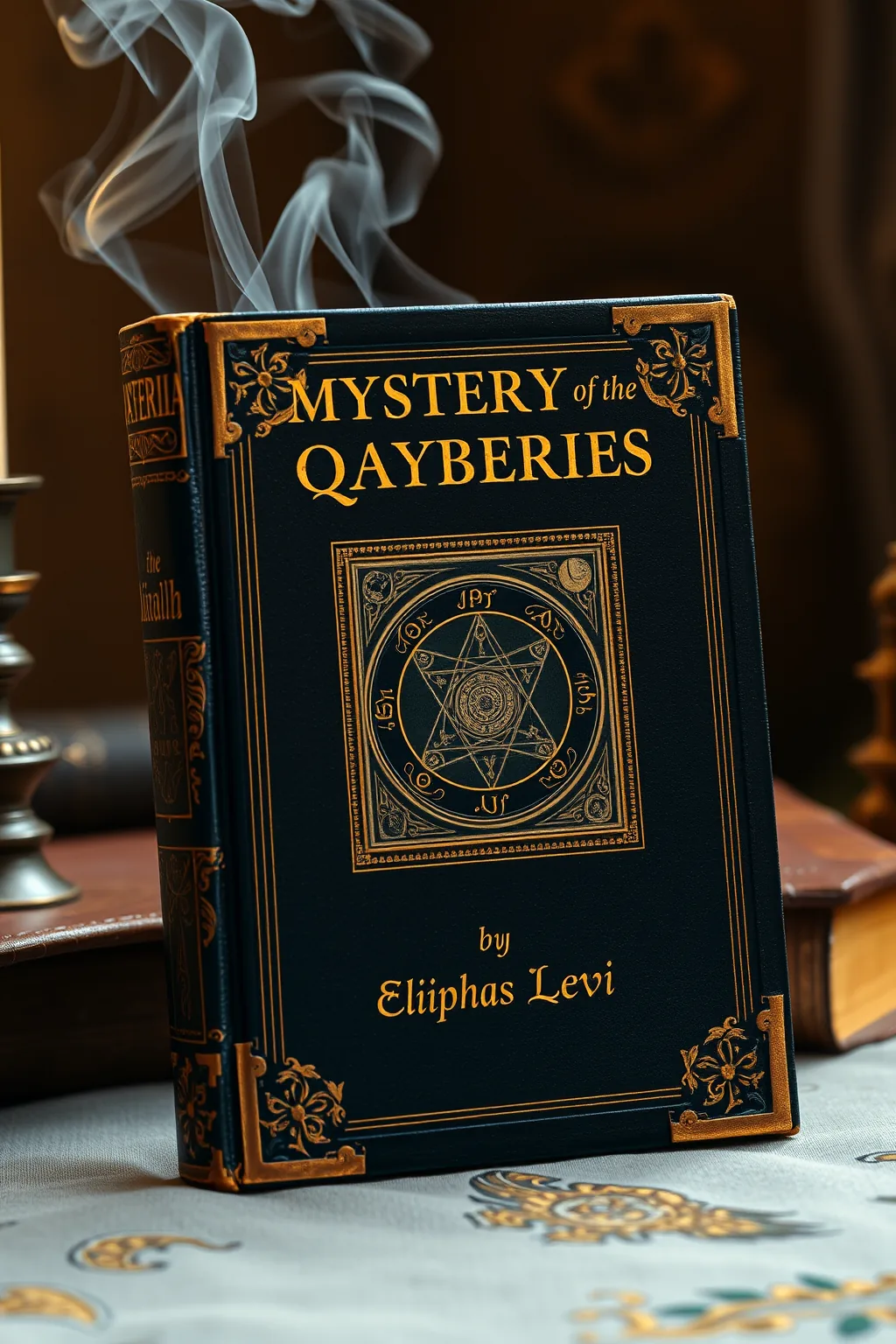
Mysteries of the Qabalah
 62
62

Mysteries of the Qabalah


Aurelia Blackwood (Occult Philosophy Critic) — Eliphas Levi's "Mysteries of the Qabalah" remains an indispensable cornerstone for anyone serious about exploring the esoteric dimensions of Kabbalah. Levi's unparalleled ability to distill complex concepts into accessible, yet profoundly mystical, prose is on full display. He masterfully deciphers the symbolic language of the Sephiroth and the pathways, revealing their interconnectedness and their potent influence on the human psyche and the material world. This text is not for the casual reader but for the dedicated student eager to grasp the foundational principles of Kabbalistic magic and its philosophical underpinnings. A truly illuminating work.
📝 Description
62
Eliphas Levi's 1861 work, 'Mysteries of the Qabalah,' attempts to decode Jewish mysticism.
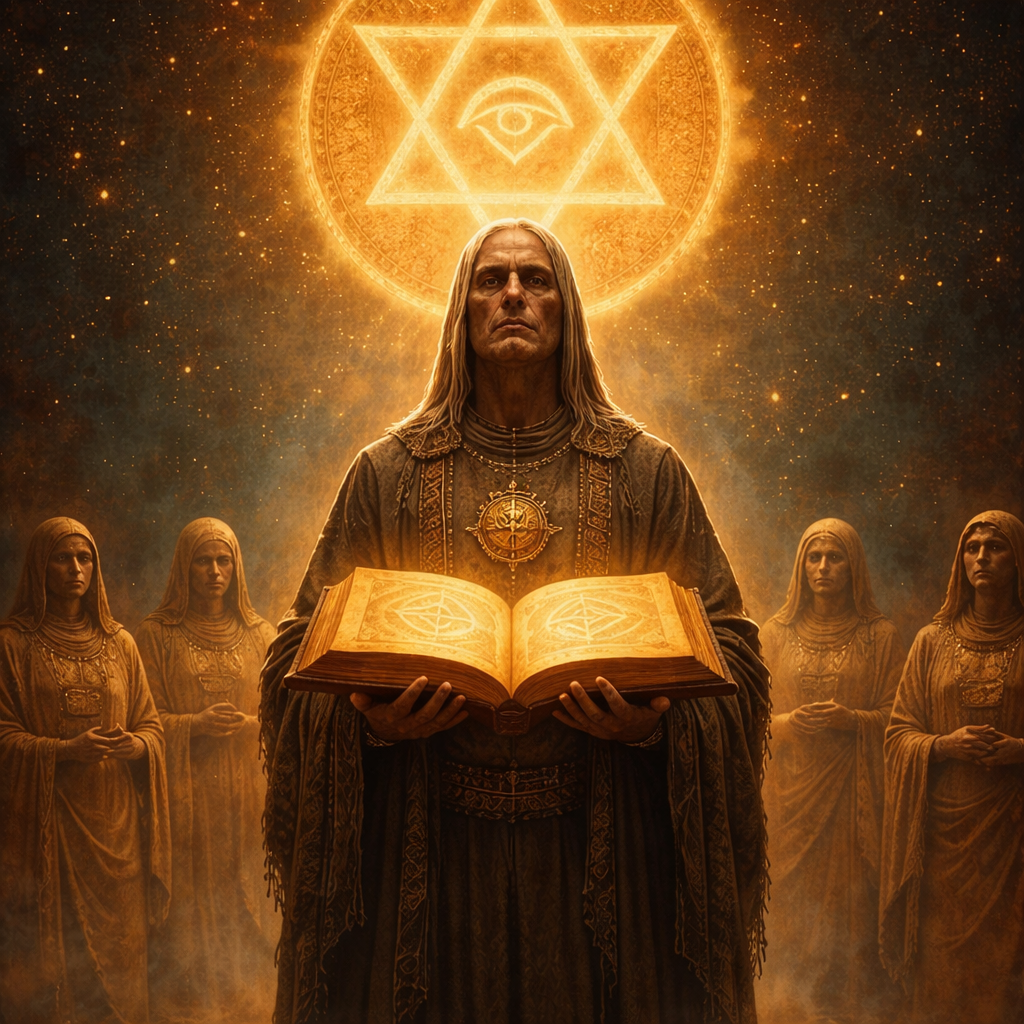
First published in 1861, Eliphas Levi's 'Mysteries of the Qabalah' presents a structured interpretation of the Qabalah for a Western audience. Levi, a prominent figure in 19th-century occultism, sought to systematize and explain the complex symbolism and doctrines of this ancient Jewish tradition. He focuses on the Tree of Life, detailing its ten Sephiroth and the paths connecting them.
The book also examines the divine emanations and the symbolic correspondences that Levi believed structure the universe. He uses a combination of scriptural references, Gematria, and his own philosophical framework to illuminate these concepts. Levi's aim was to reveal an underlying esoteric architecture of reality, connecting the macrocosm with the microcosm and the divine spark within individuals.
Levi directs this exposition towards those seeking deeper knowledge of hidden traditions. He addresses the earnest student, the mystic, and the scholar of the arcane. The work offers insights into existence and consciousness through its examination of universal principles as understood within the Qabalistic framework.
Eliphas Levi wrote 'Mysteries of the Qabalah' during a period of renewed Western interest in Kabbalah, often filtered through Christian and occult lenses. While rooted in Jewish mysticism, Levi's approach synthesized elements from various esoteric traditions, aiming to make its complex system accessible to a broader, often non-Jewish, occult readership. His work is part of a larger 19th-century effort to systematize and popularize occult philosophies, placing Kabbalah within a framework of universal magic and spiritual science.
💡 Why Read This Book?
Unravel the profound symbolism of the Tree of Life and its 22 paths. Discover the esoteric principles that govern the universe and your own spiritual evolution. This book is essential for seekers of hidden wisdom, students of ancient mysticism, and practitioners of ceremonial magic who wish to integrate Kabbalistic insights into their practice. Gain a deeper understanding of the divine architecture and your place within it.
⭐ Reader Reviews
Honest opinions from readers who have explored this book.
❓ Frequently Asked Questions
What is the Qabalah?
The Qabalah is an esoteric system of Jewish mysticism that seeks to understand the nature of God and the universe through a symbolic interpretation of the Hebrew scriptures and a mystical doctrine concerning divine emanations.
Who was Eliphas Levi?
Eliphas Levi (Alphonse Louis Constant) was a 19th-century French occultist, ceremonial magician, and writer who significantly influenced modern occultism. He is renowned for his comprehensive works on magic, Kabbalah, and Tarot.
Is this book suitable for beginners?
While dense, Levi's approach is often considered more accessible than some other Kabbalistic texts. Beginners should approach it with patience and a willingness to study, perhaps alongside introductory Kabbalah resources.
What are the key concepts explored in this book?
The book delves into the Tree of Life, the Sephiroth (divine attributes), the paths connecting them, gematria (numerical interpretation of Hebrew letters), and the mystical cosmology of the Kabbalah.
How does the Qabalah relate to other esoteric traditions?
The Qabalah has profoundly influenced Western esotericism, including Hermeticism, Freemasonry, and ceremonial magic, sharing concepts of divine emanations, symbolic correspondences, and spiritual ascent.
🔮 Key Themes & Symbolism
The Tree of Life and Its Emanations
At the core of Levi's exploration lies the intricate diagram of the Tree of Life, a symbolic map of creation and divine consciousness. This theme meticulously details the ten Sephiroth, representing divine attributes and stages of manifestation, and their interconnectedness through the sacred pathways. Levi illuminates how this cosmic blueprint serves as a key to understanding the universe, human psychology, and the path of spiritual ascent, revealing the divine order that permeates all existence.
Symbolism and Correspondences
Levi masterfully deciphers the rich symbolic language inherent in Kabbalistic thought. This theme focuses on the profound meanings embedded within Hebrew letters, divine names, and esoteric imagery. He reveals the intricate web of correspondences that link the macrocosm (universe) with the microcosm (human being), demonstrating how symbols act as keys to unlock hidden knowledge and facilitate spiritual transformation. Understanding these correspondences is vital for grasping the practical applications of Kabbalistic principles.
The Esoteric Path of Ascent
This theme looks at the practical and philosophical journey of spiritual evolution as outlined by the Qabalah. Levi guides readers through the concept of ascending the Tree of Life, moving from the material realm towards divine consciousness. He highlights the challenges, initiations, and insights gained at each stage, emphasizing the transformative power of Kabbalistic study and practice for achieving gnosis and aligning oneself with the divine will. It's a roadmap for inner alchemy.
💬 Memorable Quotes
Direct passages from the work, attributed to the author.
“The Kabbalah is the key to all the sciences.”
— This statement emphasizes the foundational and unifying nature of Kabbalistic knowledge, suggesting it provides an underlying framework for understanding diverse fields of study and reality itself.
“The alphabet of the Kabbalah is the alphabet of the universe.”
— Here, Levi suggests that the Hebrew alphabet, central to Kabbalistic tradition, holds the fundamental building blocks of creation and can be used to decipher the language of the cosmos.
“Magic is the science of the secret forces of nature.”
— This definition highlights Levi's view of magic as a disciplined and knowledge-based practice focused on understanding and interacting with the hidden energies that govern the natural world.
“Every letter is a divine thought.”
— This profound statement underscores the sacred nature of the Hebrew letters within Kabbalah, viewing each one not merely as a symbol but as a direct expression or manifestation of divine intelligence.
💡 Key Ideas
Editorial paraphrase of the work's core concepts — not direct quotes.
The Tree of Life is the tree of knowledge.
This quote links the Kabbalistic Tree of Life directly to the pursuit of wisdom and understanding, positioning it as a central symbol for comprehending universal truths and spiritual insights.
🌙 Esoteric Significance
Tradition
This work is deeply rooted in the tradition of Jewish Kabbalah, a mystical and esoteric branch of Judaism. Levi's interpretation, however, bridges this with Western esoteric traditions like Hermeticism and ceremonial magic, presenting Kabbalistic concepts as universal principles applicable to spiritual development and magical practice.
Symbolism
The book is a valuable collection of esoteric symbolism. Key symbols include the Tree of Life, representing the divine emanations and the structure of reality; the Sephiroth, each embodying a divine attribute or stage of creation; and the Hebrew letters, which are seen as fundamental building blocks of the universe and carriers of profound meaning.
Modern Relevance
Levi's "Mysteries of the Qabalah" remains remarkably relevant today. Its exploration of consciousness, universal interconnectedness, and the search for meaning resonates deeply in a world often characterized by fragmentation and existential questioning. The book offers a framework for personal growth, spiritual insight, and a deeper understanding of the hidden forces at play in our lives.
👥 Who Should Read This Book
This esoteric text is useful for seasoned practitioners of ceremonial magic and advanced students of occult philosophy seeking to deepen their understanding of Kabbalistic principles and their application. Scholars of religious studies and comparative mysticism will find Levi's synthesis of traditions insightful. Furthermore, any serious seeker of esoteric knowledge, spiritual seekers aiming for profound self-understanding, and those intrigued by the hidden architecture of reality will benefit immensely from its profound teachings.
📜 Historical Context
Eliphas Levi penned "Mysteries of the Qabalah" during the 19th century, a period of burgeoning interest in esotericism, spiritualism, and ancient wisdom traditions across Europe. This era saw a revival of Hermeticism, Kabbalah, and occult studies, partly as a reaction against the perceived materialism of the Enlightenment. Levi, a central figure in this occult revival, synthesized various mystical traditions, including Kabbalah, Hermeticism, and alchemy, into a cohesive system. His work provided a bridge between historical esoteric doctrines and the developing occult landscape, influencing generations of magicians, mystics, and scholars who sought to understand the deeper workings of the universe and the human soul.
📔 Journal Prompts
Reflect on the symbolism of a specific Sephiroth and how it manifests in your daily life.
Consider the pathways on the Tree of Life; which path do you feel most drawn to explore and why?
How can the concept of divine emanations inform your understanding of your own inner nature and potential?
Meditate on a Hebrew letter significant to you and explore its potential esoteric meanings and correspondences.
What are the 'hidden forces of nature' you perceive, and how might Kabbalistic principles offer a framework for understanding them?
🗂️ Glossary
Qabalah
An esoteric system of Jewish mysticism that explores the divine nature and the creation of the universe through symbolic interpretation and mystical doctrine.
Tree of Life
A central diagram in Kabbalah representing the ten divine emanations (Sephiroth) and the pathways connecting them, symbolizing the structure of the cosmos and the path of spiritual evolution.
Sephiroth
The ten divine attributes or emanations described in Kabbalah, originating from God and forming the structure of the Tree of Life.
Gematria
A system of numerology used in Kabbalah where Hebrew letters are assigned numerical values, used to find hidden meanings and connections within sacred texts.
Tikkun Olam
A Hebrew phrase meaning 'repair of the world,' referring to the Kabbalistic concept of humanity's role in restoring divine harmony and wholeness to creation.
This book appears in 1 collection
🔮 Readers Also Liked
Browse all →









More by Eliphas Levi
All books →




From the “Kabbalah” Collection
View all →







More Free Kabbalah & Jewish Mysticism Books
View all →