Pomegranates and Golden Bells
 81
81

Pomegranates and Golden Bells
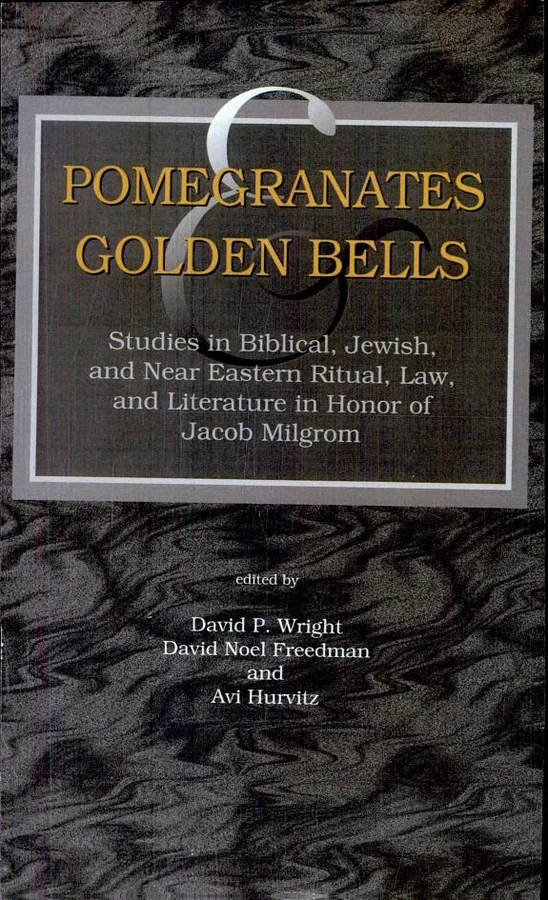
The collection honoring Jacob Milgrom, Pomegranates and Golden Bells, offers a substantial compilation of essays that reflect the breadth of scholarly attention Milgrom's own contributions inspired. The initial section, "Ritual, Law, and Their Sources," provides dense analyses of biblical cultic and legal matters, drawing from a wide range of textual witnesses including the Septuagint and Qumran documents. The subsequent section, "Other Literary, Historical, and Linguistic Studies," broadens the scope, offering a variety of perspectives on related fields. While the scholarship is undeniably rigorous, the sheer volume of essays can make it challenging to find a singular narrative thread; the reader must actively piece together connections. A standout aspect is the detailed examination of specific Levitical laws and their textual transmission, a testament to Milgrom's own expertise. However, the collection's academic density means it is not for the casual reader, requiring a solid foundation in biblical studies. Ultimately, this volume serves as a robust academic tribute, rich in specialized content for dedicated scholars.
📝 Description
81
Published in 1995, Pomegranates and Golden Bells gathers thirty-five essays on Hebrew Bible cultic and legal issues.
This 1995 volume collects thirty-five scholarly essays examining cultic and legal matters within the Hebrew Bible, the Septuagint, and Qumran texts. An additional twenty-four studies address broader Near Eastern scholarship, covering literary, historical, and linguistic aspects. The book honors Professor Jacob Milgrom, a significant figure in biblical studies, whose own extensive work, particularly his commentaries on Leviticus, had already established him as a leading authority.
The collection engages with academic discourse on biblical texts and their historical antecedents. It situates itself within ongoing debates about the historical development of Israelite law and cultic practices. The essays analyze textual evidence from the Hebrew Bible, the Greek Septuagint, and the Dead Sea Scrolls. They illuminate the relationship between religious observance and legal codification through linguistic, historical, and literary analysis.
While not strictly esoteric in the occult sense, this collection engages with texts and traditions that formed the bedrock of later Western esoteric thought. The focus on the Hebrew Bible, its cultic laws, and textual variants found in the Septuagint and Qumran reveals the foundational layers of religious and legal interpretation. Understanding these ancient Israelite practices and their scriptural basis is crucial for tracing lineages of thought that would later be reinterpreted in various mystical and philosophical systems.
💡 Why Read This Book?
• Gain an understanding of the specific cultic and legal issues explored in the Hebrew Bible, drawing on analyses of texts from Qumran and the Septuagint, as detailed in the "Ritual, Law, and Their Sources" section. • Appreciate the interdisciplinary approach to Near Eastern scholarship, as evidenced by the twenty-four essays in "Other Literary, Historical, and Linguistic Studies," which connect textual analysis with historical and linguistic evidence. • Engage with scholarship that directly honors Professor Jacob Milgrom, whose foundational work in biblical studies and Near Eastern scholarship provides the intellectual backdrop for this 1995 publication.
⭐ Reader Reviews
Honest opinions from readers who have explored this book.
❓ Frequently Asked Questions
What specific biblical texts are analyzed in Pomegranates and Golden Bells?
The book extensively analyzes the Hebrew Bible, the Septuagint (the ancient Greek translation of the Hebrew Bible), and texts from Qumran, such as the Dead Sea Scrolls, in its examination of ritual and law.
Who is Professor Jacob Milgrom and why is this book dedicated to him?
Jacob Milgrom was a prominent scholar of biblical and Near Eastern studies, particularly known for his work on Leviticus. This collection was published in 1995 to honor his significant contributions to the field.
What are the main subject areas covered in the essays?
The essays primarily focus on cultic and legal issues within the Hebrew Bible and related ancient texts, alongside broader literary, historical, and linguistic studies pertinent to the ancient Near East.
Is Pomegranates and Golden Bells suitable for a general audience?
No, the book is primarily aimed at academics, graduate students, and specialists in biblical and Near Eastern scholarship due to its scholarly depth and specialized content.
When was Pomegranates and Golden Bells first published?
The book was first published in 1995, serving as a tribute to Professor Jacob Milgrom's scholarly achievements.
What kind of scholarly disciplines are represented by the essays?
The disciplines include biblical studies, Near Eastern archaeology, comparative ancient law, textual criticism, ancient linguistics, and the study of religious texts from the Second Temple period.
🔮 Key Themes & Symbolism
Biblical Law and Ritual
This theme centers on the meticulous examination of cultic practices and legal statutes as presented in the Hebrew Bible. Essays study the origins and development of these systems, often referencing comparative legal traditions from the ancient Near East. The book explores how ritual observance and legal codification were intertwined in ancient Israelite society, utilizing textual evidence from canonical scriptures and extrabiblical sources like the Septuagint and Qumran scrolls.
Textual Criticism and Interpretation
A significant focus is placed on the critical analysis of ancient texts. This involves engaging with the Hebrew Bible, the Septuagint, and the Dead Sea Scrolls to understand variations, transmission histories, and interpretive nuances. Scholars address linguistic peculiarities and literary structures, aiming to reconstruct the precise meaning and historical context of the writings, contributing to a deeper understanding of their scholarly heritage.
Near Eastern Scholarship
Beyond purely biblical studies, the collection encompasses broader research into the ancient Near East. This includes historical accounts, linguistic analyses of related languages, and literary studies that contextualize biblical materials within the wider cultural and intellectual field of the ancient world. The essays highlight the interconnectedness of ancient civilizations and the shared intellectual currents of the era.
Academic Legacy
The volume serves as a evidence of the intellectual impact of Professor Jacob Milgrom. By presenting contributions from his colleagues, students, and friends, it maps the scholarly landscape he influenced. The book implicitly charts the trajectory of biblical and Near Eastern studies through the late 20th century, showcasing the ongoing relevance of Milgrom's foundational research and the scholarly dialogues it fostered.
💬 Memorable Quotes
Direct passages from the work, attributed to the author.
“Thirty-five essays on cultic and legal issues found in the Hebrew Bible, the Septuagint, and texts from Qumran.”
— This succinctly describes the core focus of the first major section, highlighting the specific textual corpora and thematic concentration on religious observance and codified law.
“Twenty-four essays, primarily dealing with int[ernational]...”
— This indicates the broader scope of the second section, suggesting a move from narrowly defined biblical studies to wider historical, linguistic, and literary investigations relevant to the ancient Near East.
“Colleagues, students, and friends honor Professor Milgrom.”
— This establishes the nature of the book as a Festschrift, a collection of scholarly works presented in honor of a respected academic, underscoring its commemorative purpose.
“Special emphasis on his primary areas of expertise.”
— This suggests that the essays, while diverse, are likely to touch upon themes and subjects where Professor Milgrom himself made significant scholarly contributions, particularly in biblical and Near Eastern studies.
“The first section of the book, Ritual, Law, and Their Sources...”
— This provides a clear structural demarcation within the collection, guiding the reader to expect specific thematic content related to the foundational aspects of ancient Israelite religious and legal systems.
🌙 Esoteric Significance
Tradition
While primarily a collection of biblical and Near Eastern studies, the focus on ritual, law, and textual interpretation within the Hebrew Bible and related ancient documents can be viewed through an esoteric lens. It engages with foundational texts that underpin many Western esoteric traditions, including Kabbalah and Hermeticism, by scrutinizing their source materials and historical development.
Symbolism
The title itself, 'Pomegranates and Golden Bells,' evokes detailed symbolism found in descriptions of the High Priest's garments in Exodus 28:33-34. The pomegranate symbolizes fertility and abundance, while the golden bells represent proclamation and divine presence. These elements, central to ancient Israelite priestly vestments, carry layers of meaning related to sacred office, divine communication, and the manifestation of the sacred in the material world.
Modern Relevance
Contemporary scholars and practitioners interested in the historical roots of Abrahamic religions, comparative mythology, and the origins of religious symbolism find value here. Those exploring the esoteric dimensions of biblical texts, or seeking to understand the historical context of traditions that later incorporated Jewish mystical elements, can draw upon the detailed textual and historical analyses presented.
👥 Who Should Read This Book
• Academics and graduate students specializing in biblical studies, Hebrew Bible exegesis, and ancient Near Eastern history, seeking to engage with cutting-edge research and honor Professor Jacob Milgrom's legacy. • Researchers in comparative religion and ancient law, interested in the intersection of cultic practices and legal codes in antiquity, particularly as evidenced in the Hebrew Bible, Septuagint, and Qumran texts. • Scholars of textual criticism and ancient languages, who will appreciate the detailed linguistic and literary analyses of key biblical and post-biblical documents presented throughout the collection.
📜 Historical Context
Published in 1995, Pomegranates and Golden Bells emerged during a period of intense scholarly activity surrounding the Hebrew Bible and its ancient Near Eastern context. Professor Jacob Milgrom, the scholar honored, was already a towering figure, particularly for his detailed commentaries on Leviticus. This collection represents a significant academic tribute, reflecting the scholarly milieu of the late 20th century, which saw continued engagement with source criticism, comparative legal studies, and the textual evidence from sites like Qumran. The work situates itself within ongoing debates about the historical development of Israelite religion and law, contributing to a scholarly conversation that also involved figures like J. Maxwell Miller and Baruch Halpern, who were actively researching similar periods and themes. The reception of such collections is typically within academic circles, serving as benchmarks for current research and acknowledging the influence of established scholars.
📔 Journal Prompts
The symbolism of pomegranates and golden bells in priestly attire.
The relationship between ritual observance and legal codification in the Hebrew Bible.
The significance of the Septuagint as a textual witness to biblical law.
Linguistic challenges in translating ancient Near Eastern legal texts.
The scholarly impact of Professor Jacob Milgrom's work on Leviticus.
🗂️ Glossary
Hebrew Bible
The collection of sacred texts considered canonical in Judaism, also known as the Tanakh. It comprises the Torah (Law), Nevi'im (Prophets), and Ketuvim (Writings).
Septuagint
The ancient Greek translation of the Hebrew Bible, undertaken in Alexandria during the Ptolemaic period. It is a crucial text for understanding the reception and interpretation of biblical texts in the Hellenistic world.
Qumran Texts
Manuscripts discovered near the ancient settlement of Qumran, most famously the Dead Sea Scrolls. These texts provide invaluable insights into Jewish life and beliefs during the Second Temple period.
Cultic Issues
Matters pertaining to religious worship, sacrifice, temple rituals, and priestly duties as described in ancient religious texts.
Legal Codification
The process of organizing and compiling laws into a systematic written code, as seen in ancient legal traditions including those found in the Hebrew Bible.
Near Eastern Scholarship
Academic study focused on the history, languages, cultures, and literatures of the regions historically encompassing Mesopotamia, Anatolia, the Levant, and surrounding areas.
Festschrift
A book or collection of articles compiled in honor of a scholar, typically containing contributions from their colleagues, students, and friends.
This book appears in 1 collection
🔮 Readers Also Liked
Browse all →





From the “Dead Sea Scrolls” Collection
View all →







More Free Esoteric History & Biography Books
View all →