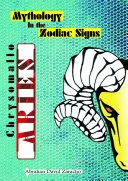
Mythology in the Zodiac Signs: Aries
 80
80

Mythology in the Zodiac Signs: Aries
David Zaracho's "Mythology in the Zodiac Signs: Aries" offers a focused examination of Chrysomallos, the divine ram central to the constellation's mythic identity. The work successfully moves beyond a superficial astrological reading to excavate the deeper narrative layers of this figure, tracing its lineage and its entanglement with Greek gods and kings. Zaracho’s strength lies in presenting Chrysomallos not just as a mythical beast but as a complex character – a divine son, adventurer, and advisor. A particular point of interest is the detailed account of the golden fleece’s transition from divine artifact to a coveted prize, claimed by both Ares and mortal men.
However, the book's singular focus, while a strength, also presents a limitation. For readers seeking a broader overview of all Aries myths or a comparative analysis across different cultures, this volume might feel too specific. The narrative, while rich, occasionally leans towards a descriptive retelling rather than a critical dissection of the myth's evolution or its varied interpretations throughout antiquity. The 2021 publication date means it engages with contemporary scholarship but does not fundamentally alter the established understanding of the myth.
Read more ↓
Ultimately, "Mythology in the Zodiac Signs: Aries" is a valuable, albeit narrow, exploration for those specifically interested in the Chrysomallos myth and its astrological representation. It serves as a concentrated dose of ancient narrative, highlighting the heroic and divine dimensions of the celestial ram. This is a competent, if not revolutionary, addition to the library of zodiacal mythography.
📝 Description
80
David Zaracho's "Mythology in the Zodiac Signs: Aries" examines the myth of Chrysomallos, the divine ram.
This book delves into the myth of Chrysomallos, the divine ram that forms the basis of the Aries zodiac sign. It argues that this creature, son of a deity, was more than just a beast of burden. Chrysomallos represented adventure, nobility, and loyalty, with its golden fleece symbolizing divine favor and protection. The text aims to connect with readers who look beyond astrological symbols to the ancient stories that shaped them, appealing to students of comparative mythology and Greek legends.
The narrative of Chrysomallos and its link to the ram constellation existed before formal Hellenistic astrology, though it later became integral to zodiacal interpretations. The constellation's appearance and movement in the night sky influenced its association with gods and heroes. This mythological context offers insight into the ancient Greek view of the cosmos as a stage for epic tales and divine messages. The book discusses Chrysomallos as a powerful, even tragic, figure whose life and sacrifice highlight themes of divine power and the lasting impact of heroic figures, serving as a core myth for understanding the celestial ram.
This work situates the Aries myth within pre-Hellenistic celestial narratives, showing how ancient cosmologies imbued astronomical observation with heroic and divine stories. It highlights the integration of such myths into later zodiacal systems, demonstrating a tradition where the heavens were viewed as a literal canvas for epic sagas and divine pronouncements. The book connects this to an ancient Greek worldview where celestial bodies were not merely scientific phenomena but carriers of profound mythological meaning.
💡 Why Read This Book?
• Gain a nuanced understanding of Chrysomallos, the divine ram from Greek myth, moving beyond its astrological symbol to its role as a protector and advisor to an iconic Greek king, as detailed in the book's narrative. • Discover the dual significance of the golden fleece – its divine origins and its later claim by Ares for his armor – offering insight into the constellation's martial and material symbolism. • Appreciate the specific mythic origins of the Aries constellation, first published in 2021, and how this narrative informs its representation in ancient cosmologies and astrological traditions.
⭐ Reader Reviews
Honest opinions from readers who have explored this book.
❓ Frequently Asked Questions
What is the primary myth associated with the Aries constellation?
The primary myth centers on Chrysomallos, a divine ram with a golden fleece, who was the son of a god. This ram served as a protector and advisor to a Greek king before its death, after which its fleece became a legendary artifact.
Who were the key figures in the myth of Chrysomallos?
Key figures include Chrysomallos itself, its divine parentage (implied god), Hermes and Apollo who were friends with the ram, an iconic Greek king it advised, and Ares, who claimed its fleece for his armor.
What does the golden fleece represent in the myth?
The golden fleece represents divine favor, protection, and immense value. It was a symbol of wealth and power, coveted by both gods like Ares and by humans, making it a central element of the myth.
When was 'Mythology in the Zodiac Signs: Aries' first published?
The book 'Mythology in the Zodiac Signs: Aries' by David Zaracho was first published on March 9, 2021.
What is the esoteric significance of the Aries myth explored in the book?
The book explores the esoteric significance by detailing Chrysomallos's divine lineage and its role as a protector and advisor, linking the celestial ram to themes of divine power, wisdom, and sacrifice within ancient Greek cosmology.
How does the myth of Chrysomallos connect to the god Ares?
The myth connects Chrysomallos to Ares because the god of war claimed the ram's golden fleece to use as his favorite armor, imbuing the constellation with associations of strength and martial prowess.
🔮 Key Themes & Symbolism
Chrysomallos: Divine Progenitor
The narrative centers on Chrysomallos, the divine ram, tracing its lineage as a son of a god. This highlights the creature's sacred status and inherent power within Greek mythology. Its relationships with deities like Hermes and Apollo underscore its integration into the divine sphere, positioning it as a figure of great importance and divine favor, far beyond that of a common animal.
The Golden Fleece as Artifact
The golden fleece of Chrysomallos is presented as a potent artifact with dual significance. Initially a symbol of divine protection and nobility associated with the ram, it transforms into a coveted prize after the ram's demise. Its claim by Ares for his armor and its value to humans illustrate its power to confer strength, wealth, and divine connection, making it a central element of the myth's allure.
Aries in Ancient Cosmology
The book examines how the constellation Aries was integrated into ancient Greek cosmology through the myth of Chrysomallos. It explains the narrative's role in attributing specific characteristics—such as courage, leadership, and divine connection—to the celestial ram. This exploration reveals how ancient peoples interpreted the stars as a reflection of heroic deeds and divine will.
Heroic Archetypes and Divine Counsel
Chrysomallos embodies a heroic archetype, acting not only as a protector but also as a trusted advisor to an iconic Greek king. This aspect of the myth emphasizes the ram's wisdom and its capacity to guide mortal affairs. The narrative explores how such figures, even non-human ones, were seen as conduits of divine counsel, influencing earthly power structures.
💬 Memorable Quotes
Direct passages from the work, attributed to the author.
“It was also a protector and an advisor of an iconic Greek king.”
— This highlights Chrysomallos's role beyond mere mythical creature, positioning it as a figure of authority and wisdom capable of influencing mortal leadership. It underscores the ram's importance in both the divine and human realms.
“After its death, its wool became a valuable gadget claimed by Ares as his favourite armour and by humans.”
— This statement points to the enduring legacy of Chrysomallos, where its physical essence—the golden fleece—becomes a powerful artifact sought after for its martial and material value, illustrating its lasting impact on both divine and mortal spheres.
“Chrysomallos was a powerful tragic character and a protagonist in the story of ancient he”
— This interpretation frames Chrysomallos not just as a mythical animal but as a complex, tragic hero whose story is central to ancient narratives. It acknowledges the dramatic arc and lasting impact of the ram's existence and fate.
💡 Key Ideas
Editorial paraphrase of the work's core concepts — not direct quotes.
Chrysomallos, son of a god, adventurer, noble, and sincere.
This line expresses the many-sided nature of the divine ram, highlighting its divine origin, heroic exploits, noble character, and inherent honesty. It sets the stage for understanding Chrysomallos as a protagonist with significant divine and personal qualities.
The sheep with golden wool was a frank and a faithful friend of Hermes and Apollo.
This quote emphasizes Chrysomallos's loyalty and amiable nature, particularly in its relationships with two prominent Olympian gods. It suggests a deep connection and trust between the divine ram and key figures in the Greek pantheon.
🌙 Esoteric Significance
Tradition
This work aligns with the Western Esoteric tradition, particularly its branches focused on astrological mythology and comparative cosmology. It draws from the rich wellspring of Greek myth, a foundational element for many Hermetic and Neoplatonic schools. The book fits within the lineage of thinkers who sought to understand celestial movements not just as astronomical phenomena but as carriers of divine meaning and archetypal narratives that influence human consciousness and destiny.
Symbolism
The central symbol is Chrysomallos, the divine ram, representing initiation, divine sacrifice, and courage. Its golden fleece symbolizes enlightenment, purity, and extraordinary value, often associated with spiritual attainment or divine blessing. The constellation Aries itself, linked to Mars, signifies the principle of assertion, pioneering spirit, and the drive for action, all amplified by the mythic narrative of its divine progenitor.
Modern Relevance
Contemporary practitioners of Western astrology, particularly those focusing on psychological or archetypal astrology, often reference the myths behind zodiacal signs. Thinkers and writers exploring the intersection of mythology and personal development, or those seeking to understand the archetypal energies of Aries in modern life, draw upon such detailed mythographic studies. The work provides a narrative framework for understanding the drive, leadership, and potential for sacrifice inherent in the Aries archetype today.
👥 Who Should Read This Book
• Students of Greek mythology seeking to understand the specific narrative behind the Aries constellation, moving beyond basic interpretations to explore Chrysomallos's divine lineage and heroic role. • Astrologers and esoteric practitioners interested in the symbolic and archetypal meanings embedded within zodiacal signs, particularly for Aries, to deepen their understanding of its energetic influences. • Comparative religion scholars examining how ancient cultures integrated celestial phenomena with heroic narratives and divine pantheons, offering insights into early cosmologies.
📜 Historical Context
Published in 2021, David Zaracho's "Mythology in the Zodiac Signs: Aries" emerges in an era of renewed interest in ancient mythologies and their astrological correlations. While Hellenistic astrology formalized many zodiacal myths, the origins of these celestial narratives are far older, deeply embedded in pre-Hellenistic Greek culture. This work engages with a tradition that has seen countless interpretations, from the astronomical observations of Ptolemy in the 2nd century CE to the occult revivalists of the 19th century. Unlike purely academic mythological analyses, Zaracho's work specifically targets the esoteric and astrological communities. It navigates a landscape where figures like Nicholas Campion have extensively charted the history of astrology, providing a context where mythological interpretations are valued for their symbolic and practical applications within modern esoteric practices.
📔 Journal Prompts
The divine lineage of Chrysomallos and its impact on its perceived role.
The dual nature of the golden fleece: divine artifact and coveted prize.
Chrysomallos as protector and advisor: reflections on earthly guidance from divine sources.
Ares's claim of the golden fleece: implications for martial symbolism in Aries.
The transformation of Chrysomallos's story into a celestial narrative.
🗂️ Glossary
Chrysomallos
The mythical ram with a golden fleece, son of a god, central to the mythology of the Aries constellation. It was known for its noble character, protective nature, and advisory role.
Golden Fleece
The fleece of Chrysomallos, a legendary artifact of immense value and divine origin. It was sought after by heroes and gods, notably claimed by Ares for his armor, symbolizing power and divine blessing.
Ares
The Greek god of war, courage, and bloodshed. In the context of the Aries myth, he is significant for claiming Chrysomallos's golden fleece as his preferred armor, linking the constellation to martial themes.
Hermes
The messenger of the gods in Greek mythology, also associated with commerce, travelers, thieves, and tricksters. He is mentioned as a friend of Chrysomallos, highlighting the ram's integration into the divine circle.
Apollo
A prominent Olympian deity associated with music, poetry, light, healing, and prophecy. Like Hermes, Apollo is noted as a friend of Chrysomallos, underscoring the ram's esteemed position.
Constellation
A group of stars forming a recognizable pattern that is traditionally named after its apparent form or identified with a mythological figure. Aries is one such constellation, linked to the myth of Chrysomallos.
Iconic Greek King
A significant but unnamed ruler in Greek mythology who received protection and counsel from Chrysomallos. This role emphasizes the ram's wisdom and its connection to earthly power structures.