Introduction to Witchcraft
 81
81

Introduction to Witchcraft
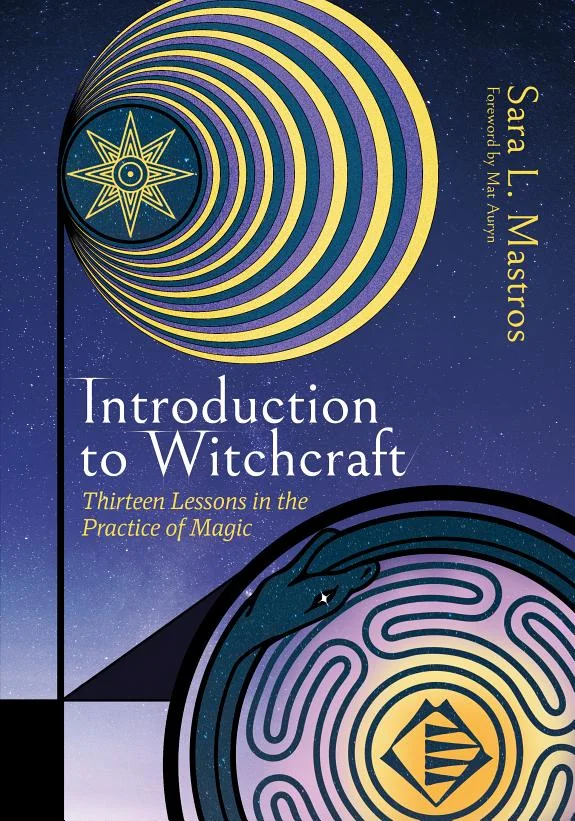
Sara L. Mastros’ "Introduction to Witchcraft" arrives with a clear mandate: to demystify the Craft for absolute beginners. The book’s strength lies in its pragmatic, almost pedagogical, structure. Mastros eschews romanticized notions, opting instead for thirteen direct lessons, a format that promises, and largely delivers, a no-fluff approach. The exercises, while sometimes rudimentary, are designed to build foundational skills systematically. A notable strength is the emphasis on personal responsibility and ethical considerations, a crucial component often glossed over in introductory texts. However, the book’s very directness can occasionally feel clinical. For instance, the section on constructing a ritual space, while thorough, lacks the evocative language that might inspire deeper connection for some readers. Despite this, the author’s decades of experience are evident in the clarity and progression of the material. It’s a functional, reliable guide for those ready to roll up their sleeves and begin the work.
📝 Description
81
Sara L. Mastros' 2025 book offers thirteen structured lessons for aspiring witches.
This text provides a practical introduction to witchcraft, structured into thirteen distinct lessons. Sara L. Mastros designed the book to move beyond theory, equipping novices with actionable skills for magical practice. Each lesson builds upon the previous one, encouraging a progressive understanding and application of witchcraft principles. The approach suits individuals seeking a clear, curriculum-style path, contrasting with more ambiguous occult resources. It emphasizes practical exercises and a teacher-led methodology for establishing a solid grounding in the Craft. Students who value a direct, lesson-based framework will find this an effective guide for developing their abilities.
Published in 2025, "Introduction to Witchcraft" appears as a direct, lesson-based framework in an era of varied spiritual literature. It contrasts with more theoretical or esoteric texts, positioning itself as a practical counterpoint to diffuse New Age explorations. The book aims to provide concrete skills for active practice rather than abstract philosophy, focusing on core elements and ethical considerations within the Craft.
💡 Why Read This Book?
• Gain practical, step-by-step guidance on initiating witchcraft practices, directly from Sara L. Mastros' established teaching method, ensuring a clear path beyond theoretical study. • Develop foundational magical skills through thirteen structured lessons, focusing on actionable exercises designed to build proficiency, a hallmark of Mastros' pedagogical approach. • Understand the ethical framework and personal responsibility crucial to the Craft, receiving direct instruction on conscientious magical application as presented in the text.
⭐ Reader Reviews
Honest opinions from readers who have explored this book.
❓ Frequently Asked Questions
What is the primary goal of Sara L. Mastros' "Introduction to Witchcraft"?
The book aims to provide a comprehensive, practical, and no-fluff guide for beginners in witchcraft, transforming novices into practitioners through thirteen structured lessons based on decades of teaching experience.
Who is the target audience for this book?
It is designed for individuals new to witchcraft who seek a clear, structured, and actionable curriculum rather than abstract philosophical discussions.
How does "Introduction to Witchcraft" differ from other beginner books?
It emphasizes practical exercises and a lesson-based format, moving beyond theory to direct application, which distinguishes it from more generalized or esoteric-focused introductions.
What kind of exercises can readers expect?
Readers can expect practical exercises focused on developing core witchcraft skills, including energy work, personal will, and ethical considerations, integrated into the thirteen lessons.
When was "Introduction to Witchcraft" first published?
The book was first published on October 28, 2025, making it a contemporary guide to witchcraft practice.
What is the author's background relevant to this book?
Sara L. Mastros has extensive experience teaching witchcraft, having guided thousands of novices into practice, and this book distills that decades-long experience into an accessible format.
🔮 Key Themes & Symbolism
Structured Magical Pedagogy
The work is built around thirteen distinct lessons, presenting a curriculum designed for progressive learning. This structured approach ensures that foundational concepts are covered systematically before moving to more advanced topics. It mirrors a classroom setting, encouraging students to take notes and actively engage with the material. The emphasis is on building practical skills through consistent application, moving beyond theoretical understanding to demonstrable competence in witchcraft.
Practical Application Over Theory
Mastros prioritizes actionable techniques and exercises, aiming to equip readers with tangible skills rather than abstract knowledge. The book bypasses extensive historical or philosophical tangents, focusing directly on how to perform magical work. This pragmatic stance is evident in the direct instruction provided for each lesson, encouraging immediate practice and skill development from the outset.
Ethical Witchcraft Framework
A significant aspect of the book is its focus on the ethical dimensions of practicing witchcraft. It addresses the importance of personal responsibility, the consequences of magical actions, and the need for a sound moral compass. This ethical grounding is presented not as an optional add-on but as an integral part of developing as a practitioner, ensuring that power is wielded conscientiously.
Novice-to-Practitioner Transition
The core objective is to guide individuals from being complete novices to becoming confident practitioners. The book is designed to bridge the gap between interest in witchcraft and active engagement in its practice. By offering clear instructions and exercises, it aims to explain the Craft and empower beginners to take their first steps with confidence and understanding.
💬 Memorable Quotes
Direct passages from the work, attributed to the author.
“Take your notebook and feather-tipped pen; it's time to advance your practice.”
— This directive signals the book's active, lesson-based approach. It encourages a student-like engagement, emphasizing that practical progress, not passive reading, is the goal of this witchcraft primer.
“Simple but never condescending.”
— This phrase expresses the book's intended tone for beginners. It promises clarity and accessibility without patronizing the reader, ensuring the information is easy to grasp yet respectful of their intelligence.
“Decades of experience presented in an accessible form.”
— This highlights the author's extensive background in teaching witchcraft. The book aims to distill this long-term expertise into a format that novice practitioners can easily understand and apply.
“Thirteen lessons in the practice of magic.”
— This directly states the book's structure and purpose. It frames witchcraft not as an amorphous concept but as a learnable practice with distinct stages and lessons.
“Turned thousands of novices into practitioners.”
— This emphasizes the author's proven track record in education. It serves as a credential, assuring potential readers that Mastros' methods are effective in cultivating actual witchcraft skills.
🌙 Esoteric Significance
Tradition
While not strictly adhering to a single lineage like Hermeticism or Kabbalah, "Introduction to Witchcraft" draws from the broad currents of Western esotericism that have informed modern witchcraft. It implicitly engages with concepts of energy manipulation, ritual structure, and personal will-development, common threads in many esoteric traditions. The book aims to make these elements accessible to a wider audience, acting as a gateway rather than an in-depth exploration of any one specific esoteric school.
Symbolism
The book likely introduces foundational symbols relevant to basic witchcraft practice. This could include the pentacle, representing the elements and spirit, or the symbolism of the crescent moon, often associated with the Goddess and intuition. The cardinal directions and their associated elemental correspondences are also common motifs in introductory texts, providing a symbolic map for ritual space and magical workings.
Modern Relevance
This work speaks to the ongoing demand for practical, accessible spiritual training in the digital age. Its structured approach aligns with modern preferences for clear, step-by-step guidance, akin to online courses or skill-building apps. Contemporary practitioners seeking a no-nonsense foundation, perhaps disillusioned by the fragmentation of online occult information, might turn to this book for a coherent starting point.
👥 Who Should Read This Book
['• Absolute beginners in witchcraft seeking a clear, structured curriculum with practical exercises and direct instruction.', '• Individuals interested in comparative religion or the history of Western esotericism looking for a foundational text on modern witchcraft practices.', '• Aspiring practitioners who prefer a teacher-led, step-by-step learning process over self-directed, theoretical study.']
📜 Historical Context
Published in 2025, "Introduction to Witchcraft" enters a crowded field of occult literature. Its direct, pedagogical approach stands in contrast to the more philosophical or experiential texts that gained prominence in the late 20th and early 21st centuries, influenced by figures like Doreen Valiente and Raymond Buckland. While authors like Starhawk explored witchcraft's social and ecological dimensions, and others explored complex magical systems, Mastros opts for a curriculum designed to instill basic competencies. This focus on practical, structured learning positions the book as a functional counterpoint to the often diffuse or highly individualized paths found in contemporary paganism. Its reception likely hinges on how effectively it serves its stated goal of creating practitioners, rather than solely engaging readers intellectually.
📔 Journal Prompts
The thirteen lessons form a clear progression; identify one lesson you feel most prepared for and one you anticipate will challenge you most.
Reflect on the concept of personal magical will as presented in the text. How might this concept apply to non-magical aspects of your life?
Consider the ethical guidelines provided. How do these principles align with or differ from your existing moral framework?
Analyze the practical exercises. Which specific exercise seems most crucial for developing foundational witchcraft skills?
Mastros emphasizes a 'no-fluff' approach. What does this directness mean for your personal expectations of magical practice?
🗂️ Glossary
The Craft
A common term for the practice of witchcraft, often used to denote a spiritual path focused on nature, magic, and personal power.
Novice
An individual who is new to a particular activity or skill, in this context, someone beginning their journey in witchcraft.
Practice of Magic
The systematic application of will and energy to effect change, as taught within the structured lessons of this book.
Foundational Skills
The basic techniques and understandings necessary to begin practicing witchcraft effectively, as outlined in the early lessons.
Accessible Form
Information or material presented in a way that is easy for beginners to understand and apply, avoiding overly complex jargon or abstract theory.
Lesson
A distinct unit of instruction within the book, designed to teach a specific aspect of witchcraft practice in a sequential manner.
Practitioner
An individual who actively engages in and performs the rites and workings of witchcraft, having moved beyond the novice stage.
This book appears in 1 collection
🔮 Readers Also Liked
Browse all →







From the “Sigils” Collection
View all →



More Free Esoteric History & Biography Books
View all →