Occult Beliefs, Globalisation and the Quest for Development in African Societies – the Example of South Africa. In: Mitchell, G. / Mullen, E. (eds.) (2002): ‘Religion and the political imagination in a changing South Africa’, New York, Waxman, 2002:98-113
 73
73

Occult Beliefs, Globalisation and the Quest for Development in African Societies – the Example of South Africa. In: Mitchell, G. / Mullen, E. (eds.) (2002): ‘Religion and the political imagination in a changing South Africa’, New York, Waxman, 2002:98-113



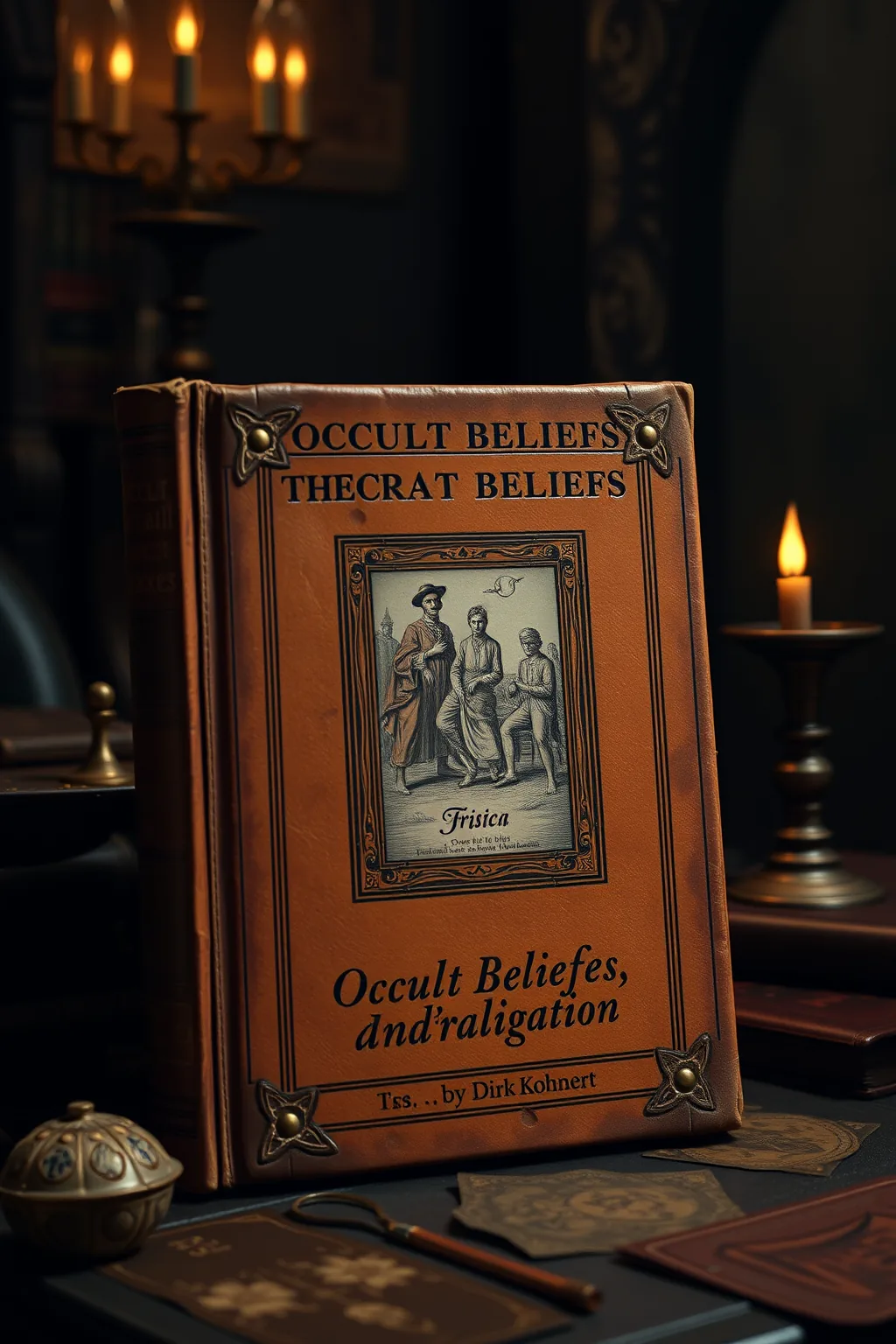
Dirk Kohnert's 'Occult Beliefs, Globalisation and the Quest for Development in African Societies – the Example of South Africa' is a fascinating read for modern esoteric seekers. The author's deep dive into the occult beliefs of South African societies provides a fresh perspective on how these beliefs have influenced political and economic development. Kohnert's analysis is thorough and well-researched, making it a valuable addition to the literature on esoteric studies and African development. The book's strength lies in its ability to bridge the gap between academic rigor and accessible writing, making it suitable for both scholars and general readers. The inclusion of the broader context of religious and political imagination in South Africa adds depth to the discussion, making it a must-read for anyone interested in the intersection of spirituality and societal development. The book's insights are timely and relevant, offering a unique perspective on the role of occult beliefs in shaping contemporary societies.
📝 Description
73
Dirk Kohnert's 2002 essay examines how occult beliefs affect development in South Africa.
In this 2002 essay, Dirk Kohnert investigates the role of occult beliefs in shaping development and globalization within African societies, using South Africa as a specific case study. The work moves beyond conventional analyses of economic and political factors to consider the influence of witchcraft, magic, and hidden knowledge on societal progress. Kohnert illustrates how these spiritual systems are not merely remnants of the past but active forces that intersect with modern development agendas.
The essay details how symbolism and rituals embedded in African spiritual practices inform perceptions of progress and hinder or facilitate engagement with global economic forces. By connecting the esoteric dimensions of belief with tangible outcomes in development, Kohnert challenges readers to consider a broader framework for understanding societal change. This perspective is particularly relevant for grasping the complexities of post-colonial African nations grappling with both traditional spiritual frameworks and the pressures of globalization.
This essay fits within broader discussions of how non-Western spiritual and magical systems interact with modernity and global capitalism. It addresses the concept of 'occult economics' where unseen forces are believed to influence material success or failure, a theme found in various anthropological and esoteric studies of African societies. Kohnert's work engages with the idea that indigenous cosmologies can offer alternative frameworks for understanding and enacting development, distinct from Western rationalist models. The focus on hidden knowledge and ritual practice aligns with scholarly interest in syncretism and the persistence of non-material belief systems in the face of modernization.
💡 Why Read This Book?
Reading 'Occult Beliefs, Globalisation and the Quest for Development in African Societies – the Example of South Africa' today offers readers a unique opportunity to understand the profound impact of occult beliefs on societal development. This book provides valuable insights into the political and economic dynamics of post-apartheid South Africa, making it a relevant and timely read. Readers will gain a deeper appreciation for the role of esoteric practices in shaping modern societies and will be equipped with a broader perspective on the intersection of spirituality and development.
⭐ Reader Reviews
Honest opinions from readers who have explored this book.
❓ Frequently Asked Questions
What is the main focus of 'Occult Beliefs, Globalisation and the Quest for Development in African Societies – the Example of South Africa'?
The main focus of the book is to explore how occult beliefs have influenced political and economic development in South Africa, particularly in the context of globalisation and societal change.
Who should read this book?
This book is ideal for scholars, students, and enthusiasts of esoteric studies, African studies, political science, and anyone interested in the role of spirituality in societal development.
How does this book contribute to the field of esoteric studies?
The book contributes to esoteric studies by providing a detailed analysis of occult beliefs in South Africa and their impact on political and economic processes, offering a unique perspective on the intersection of spirituality and development.
🔮 Key Themes & Symbolism
Occult Beliefs and Development
Kohnert examines how occult beliefs influence the quest for development in African societies, revealing the hidden knowledge that drives societal progress.
Globalisation and Witchcraft
The essay studies the intersection of globalisation and witchcraft violence, showing how these forces shape the political imagination in South Africa.
Symbolism in African Religion
Kohnert explores the detailed symbolism of African religion, providing insights into the rituals and beliefs that govern spiritual practices.
💬 Memorable Quotes
Direct passages from the work, attributed to the author.
“Occult beliefs are the unseen threads that combine the fabric of society.”
— Kohnert highlights the hidden influence of occult knowledge on societal structures.
“Witchcraft violence is a manifestation of deeper spiritual conflicts.”
— The essay reveals the esoteric roots of violence and its impact on development.
“Globalisation brings with it both opportunities and occult challenges.”
— Kohnert explores how occult beliefs work through the complexities of globalisation.
“The quest for development is intrinsically linked to the occult.”
— The essay underscores the importance of occult knowledge in societal progress.
“African religion is a range of symbolism and ritual.”
— Kohnert's work provides useful insights into the mystical practices of African societies.
🌙 Esoteric Significance
Tradition
This book belongs to the tradition of Hermetic and Gnostic studies, focusing on the hidden knowledge that drives societal development.
Symbolism
Key symbols include rituals of witchcraft, magical practices, and the spiritual symbolism embedded in African religious practices.
Modern Relevance
Today, this work is crucial for practitioners and scholars of occult philosophy, providing insights into the enduring influence of occult beliefs in modern development.
👥 Who Should Read This Book
This book is ideal for beginners interested in the mystical underpinnings of African societies, scholars of occult philosophy, spiritual seekers exploring hidden knowledge, and practitioners of occult arts. It offers a comprehensive understanding of how occult beliefs shape political and social structures, making it an essential read for anyone intrigued by the esoteric.
📜 Historical Context
Published in 2002, 'Occult Beliefs, Globalisation and the Quest for Development in African Societies' was written during a time of significant political and social change in South Africa. The essay provides a timely exploration of how occult beliefs shaped the political imagination in a post-apartheid society, offering insights that remain relevant today. Its influence can be seen in the ongoing discussions about the role of occult practices in modern development.
📔 Journal Prompts
Reflect on how occult beliefs influence your understanding of development and globalisation?
Consider the role of symbolism in your spiritual practices.
How do occult beliefs shape your view of societal progress?
Explore the intersection of witchcraft and modern development in your community.
Reflect on the hidden knowledge that drives your spiritual journey.
🗂️ Glossary
Occult Beliefs
Beliefs and practices involving hidden knowledge and mystical rituals.
Witchcraft Violence
Violence stemming from occult practices and spiritual conflicts.
Globalisation
The process of increasing interconnectedness and occult challenges.
Development
The quest for societal progress influenced by occult beliefs.
African Religion
The spiritual practices and symbolism of African societies.
This book appears in 7 collections
🔮 Readers Also Liked
Browse all →








More by Dirk Kohnert
All books →

From the “Occultism” Collection
View all →








More Free Occult Philosophy Books
View all →