What is Mystical Theology?
Mystical theology focuses on the ineffable, direct knowledge of God or ultimate reality, often achieved through contemplative practices and spiritual disciplines. It emphasizes experiential apprehension over dogmatic formulation, exploring the soul's journey toward divine union. This field investigates altered states of consciousness and the language used to describe experiences that transcend ordinary perception.
Best Books for Complete Beginners
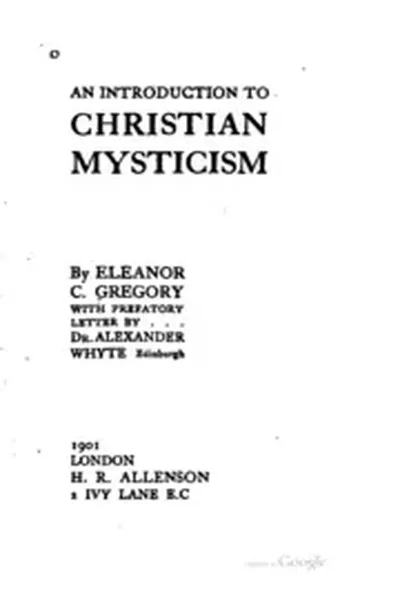
Starting with accessible introductions is crucial for grasping the core concepts. Eleanor C. Gregory's An Introduction to Christian Mysticism (1901) offers a clear overview of the tradition. Walter Leslie Wilmshurst's Contemplations: Being Studies in Christian Mysticism provides practical guidance. For a foundational, though challenging, entry point into the contemplative path, Anonymous's The Cloud Of Unknowing is essential, teaching direct apprehension of God.
Intermediate Reading
For those ready to delve deeper, William Ralph Inge's Christian Mysticism offers a scholarly yet engaging exploration of various mystical traditions. Rudolf Steiner's Christianity as Mystical Fact, and the Mysteries of Antiquity presents a unique anthroposophical perspective. Maurice Maeterlinck's Ruysbroeck and the Mystics introduces the work of a significant medieval mystic, making complex ideas more digestible.
Classical / Advanced Texts
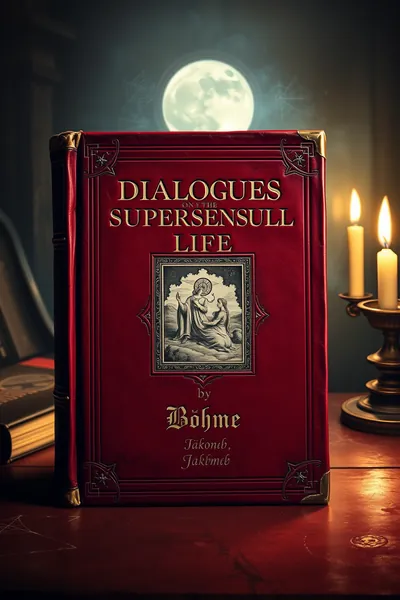
Advanced study requires engaging with primary sources and complex theological arguments. Pseudo-Dionysius the Areopagite's Theologia Mystica... together with the First and Fifth Epistles (1944) is a cornerstone, defining apophatic theology. Jakob Böhme's Dialogues on the Supersensual Life offers profound metaphysical insights. The St. John Of The Cross Collection Compilation provides the rigorous mystical path of a major Catholic saint.
Reading Order — Step by Step
Begin with Gregory's An Introduction to Christian Mysticism (1901) for a foundational overview. Transition to Anonymous's The Cloud Of Unknowing for practical, direct experience. In Month 2, engage with Inge's Christian Mysticism for broader context and Rudolf Steiner's Christianity as Mystical Fact for a different perspective. Month 3 and beyond, tackle the primary sources: Pseudo-Dionysius the Areopagite's Theologia Mystica (1944) and Jakob Böhme's Dialogues on the Supersensual Life, supplemented by St. John of the Cross.
Frequently Asked Questions
Which Mystical Theology book should I read first?
For a gentle introduction, begin with Eleanor C. Gregory's 'An Introduction to Christian Mysticism'. If you prefer a more direct, practical approach to contemplative prayer, Anonymous's 'The Cloud Of Unknowing' is an excellent starting point.
What is the difference between Mystical Theology and Systematic Theology?
Systematic theology organizes religious doctrines logically, while mystical theology focuses on the direct, experiential knowledge of the divine, often using apophatic or negative approaches.
Is Mystical Theology only relevant to Christianity?
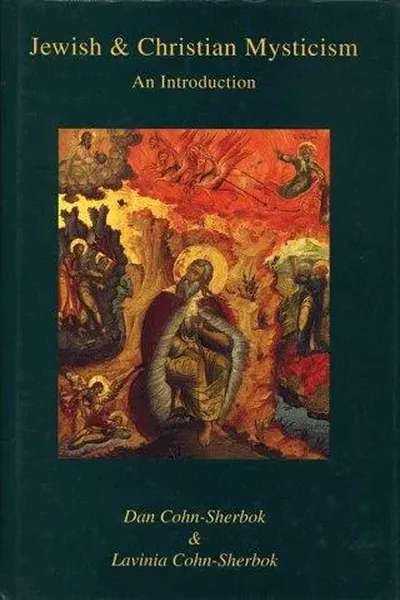
While many foundational texts are Christian, the principles of direct divine experience are found across various spiritual traditions, including Sufism, Kabbalah, and Eastern contemplative practices.
What does 'apophatic' mean in Mystical Theology?
Apophatic refers to the 'negative way' of describing the divine by stating what it is not, acknowledging its ineffability and transcendence beyond human concepts.
Who are some key figures in Jewish Mystical Theology?
Key figures include the authors of the Zohar, Isaac Luria, and Abraham Abulafia. Marilynn Hughes' 'Mystics Magazine : Jewish Mystical Theology' offers contemporary insights.
How does one practice Mystical Theology?
Practices often include deep meditation, contemplative prayer, asceticism, and seeking direct experience of the divine, aiming for union or profound understanding beyond intellectual grasp.
What is the significance of 'The Cloud of Unknowing'?
This anonymous 14th-century text is crucial for its practical guidance on achieving direct, unmediated experience of God through a 'cloud of unknowing' that transcends conceptual thought.
Are there modern authors who write about Mystical Theology?
Yes, authors like Rudolf Steiner and explorations of figures like Baron Friedrich von Hugel (analyzed by Paul D. Clasper) represent more modern engagements with mystical theology, alongside contemporary scholarship.