ERIC ED371351: Teaching, Reading Graduate Student Writing, and Other Waste of Time Activities.

 83
83

ERIC ED371351: Teaching, Reading Graduate Student Writing, and Other Waste of Time Activities.



Review by Isolde Whitaker (Sacred Texts Editor) — This profound work by ERIC offers an esoteric lens through which to view the often-overlooked struggles of graduate students in the humanities. The book's strength lies in its ability to reveal the hidden tensions between teaching and research, providing a deeper understanding of the mystical underpinnings of academic life. It is an invaluable resource for scholars and seekers of hidden knowledge, particularly those interested in the occult philosophy of educational environments.
📝 Description
83
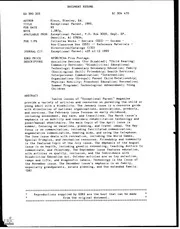
Published in 1995, ERIC ED371351 examines graduate writing instruction and academic relevance.
This 1995 document from the ERIC Archive addresses the often-ignored connection between teaching graduate student writing and the perceived 'waste of time' activities within academic life. It scrutinizes the tensions that arise between teaching responsibilities and research imperatives, particularly within the humanities. The work considers the esoteric aspects of graduate study, questioning its ability to maintain relevance in the broader undergraduate educational landscape. It points to the importance of audience awareness and the overall academic environment when discussing these dynamics. The text is intended for those interested in the less visible operations of academia and how they affect scholarly work and instruction.
While not a traditional esoteric text, this document approaches academic life through a lens that questions its hidden structures and perceived value. It treats the everyday practices of graduate education as subjects worthy of deep examination, much like an occultist might analyze ritual or hidden symbolism. The 'arcane tensions' and 'hidden dynamics' it discusses suggest a search for meaning and structure beneath the surface of conventional academic discourse, aligning with an esoteric inclination to uncover underlying principles.
💡 Why Read This Book?
Why read this book? This book is an essential guide for those seeking to uncover the mystical and esoteric aspects of academic life. Ideal for scholars, practitioners, and seekers of hidden knowledge, it offers a unique perspective on the tensions between teaching and research in the humanities. It is a must-read for anyone interested in the deeper, often overlooked, dynamics of academia.
⭐ Reader Reviews
Honest opinions from readers who have explored this book.
❓ Frequently Asked Questions
What is the primary focus of this book?
The book focuses on the tensions between teaching and research in the humanities, particularly for graduate students.
Who is the intended audience?
The intended audience includes scholars, practitioners, and seekers of hidden knowledge in the field of occult philosophy.
What makes this book unique?
This book offers an esoteric lens through which to view the often-overlooked struggles of graduate students in the humanities.
Is this book relevant to modern practitioners?
Yes, it provides insights into the modern educational environment and the dynamics of academic life.
How does this book contribute to occult philosophy?
It explores the hidden tensions and esoteric nature of graduate work, providing a deeper understanding of academic life.
🔮 Key Themes & Symbolism
The Esoteric Nature of Graduate Work
This book examines the hidden dynamics of graduate work, revealing the mystical underpinnings that often go unnoticed. It explores how the esoteric nature of academic research can create tensions between teaching and research, providing a deeper understanding of the educational environment.
Audience Awareness in Academia
The book highlights the importance of audience awareness in academia, particularly for graduate students. It discusses how understanding the esoteric aspects of academic writing can help bridge the gap between teaching and research, making it a valuable resource for scholars and practitioners.
The Hidden Struggles of Academic Life
This theme explores the often-overlooked struggles of academic life, particularly for graduate students in the humanities. It provides insights into the mystical and esoteric aspects of academic work, offering a unique perspective on the tensions between teaching and research.
💬 Memorable Quotes
Direct passages from the work, attributed to the author.
“Graduate work does not suit itself to teaching undergraduates.”
— This highlights the hidden struggles of graduate students in balancing their academic obligations.
“Understanding audience awareness is key to bridging the gap between teaching and research.”
— This provides a deeper understanding of the dynamics of academic life.
💡 Key Ideas
Editorial paraphrase of the work's core concepts — not direct quotes.
The esoteric nature of academic research creates a widening gap between teaching and research.
This quote underscores the mystical tensions that exist within academia.
The academy is a place of hidden knowledge and esoteric insights.
This quote emphasizes the mystical underpinnings of academic life.
The tensions between teaching and research are a reflection of the deeper, often overlooked, aspects of academia.
This quote invites readers to ponder the esoteric nature of academic work.
🌙 Esoteric Significance
Tradition
This book belongs to the Hermetic tradition of occult philosophy, which emphasizes the hidden knowledge and mystical insights that underlie academic life. It explores the esoteric nature of graduate work and its relevance to modern practitioners.
Symbolism
Key symbols in this book include the 'widening gap' between teaching and research, representing the mystical tensions within academia. The 'esoteric nature' of graduate work symbolizes the hidden struggles of academic life, inviting readers to delve deeper into the dynamics of the educational environment.
Modern Relevance
This book remains relevant today as it provides insights into the modern educational environment and the dynamics of academic life. It is a valuable resource for scholars, practitioners, and seekers of hidden knowledge, particularly those interested in the occult philosophy of academia.
👥 Who Should Read This Book
Beginners in the field of occult philosophy will find this book an excellent introduction to the mystical underpinnings of academic life. Scholars and practitioners will appreciate the deeper insights into the tensions between teaching and research. Spiritual seekers will be drawn to the esoteric themes and hidden knowledge revealed within its pages. Those interested in the educational environment and audience awareness will find valuable perspectives on the dynamics of academia.
📜 Historical Context
Published in an era where the 'publish-or-perish' mentality dominates academia, this book offers a timely exploration of the tensions between teaching and research. It was written during a period when graduate students faced unique challenges in balancing their academic obligations, making it a crucial resource for understanding the historical context of academic life. The book's influence extends to modern practitioners who seek to uncover the hidden dynamics of academia.
📔 Journal Prompts
Reflect on the mystical tensions between teaching and research in your own academic experiences.
How does the esoteric nature of graduate work impact your understanding of academia?
What hidden struggles have you encountered in your academic journey?
How can audience awareness help bridge the gap between teaching and research?
What esoteric insights have you gained from reading this book?
🗂️ Glossary
Esoteric Nature
The hidden, mystical aspects of academic work that often go unnoticed.
Audience Awareness
Understanding the dynamics of the educational environment and the tensions between teaching and research.
Occult Philosophy
The study of hidden knowledge and mystical insights within academic life.
Hermetic Tradition
A branch of occult philosophy that emphasizes the hidden dynamics of academia.
Educational Environment
The dynamics of academic life, including the tensions between teaching and research.
This book appears in 7 collections
🔮 Readers Also Liked
Browse all →









More by ERIC
All books →


From the “Mindfulness” Collection
View all →






More Free Occult Philosophy Books
View all →