Plotini Platonicorum coryphi Opera, qu extant omnia per celeberrimum illum Marsilium Ficinum florent. Ex antiquissimis codicibus Latine translata, ... Cum indice rerum ethicarum, physicarum, & metaphysicarum copiosissimo

 76
76

Plotini Platonicorum coryphi Opera, qu extant omnia per celeberrimum illum Marsilium Ficinum florent. Ex antiquissimis codicibus Latine translata, ... Cum indice rerum ethicarum, physicarum, & metaphysicarum copiosissimo



Plotinus' 'Plotini Platonicorum coryphi Opera' is a monumental work that stands as a cornerstone of esoteric literature. For modern seekers of occult knowledge, this text provides a deep dive into the mystical teachings of one of the most influential philosophers of antiquity. Plotinus' exploration of the One, the soul, and the divine is both intellectually stimulating and spiritually enlightening. The translation by Marsilio Ficino is meticulous, preserving the depth and nuance of Plotinus' original Greek texts. This book is not just a historical artifact but a living document that continues to inspire and challenge readers today. Its relevance lies in its ability to bridge the gap between ancient wisdom and contemporary esoteric thought. For those interested in the occult, this book is a must-read, offering insights that can enrich one's understanding of the mystical dimensions of existence.
📝 Description
76
Marsilio Ficino translated Plotinus' complete extant works into Latin in the late 15th century.
This volume contains the complete Latin translations of Plotinus' works by Marsilio Ficino. Ficino's translation, completed around 1492, made Plotinus accessible to Renaissance thinkers and subsequent generations. The text addresses fundamental questions about the nature of the One, the emanation of the cosmos from the divine, and the soul's ascent back to its source. Plotinus' philosophy, rooted in Plato but developing unique concepts, has influenced Neoplatonism, Christian theology, and various mystical traditions. The collection includes treatises on ethics, physics, and metaphysics, forming a comprehensive presentation of his thought.
Ficino's edition was instrumental in shaping the reception of Plotinus in the West. It presents Plotinus not merely as a philosopher but as a spiritual teacher guiding the soul toward illumination. The organization of the treatises, as Ficino arranged them, follows a progression from practical matters to the highest speculative truths. Readers will find discussions on the intelligible world, the nature of evil, and the ecstatic union with the divine.
Plotinus, writing in the 3rd century CE, is a central figure in Neoplatonism. His philosophy represents a synthesis of Platonic ideas with earlier Greek philosophical traditions, filtered through a mystical and spiritual lens. Neoplatonism posits a hierarchical reality originating from an ineffable 'One,' from which all existence emanates. The goal of the human soul is to return to this source through intellectual and spiritual purification. This tradition profoundly influenced Gnosticism, Hermeticism, and later Christian and Islamic mysticism, making Plotinus' works a cornerstone of Western esoteric thought.
✍️ Author
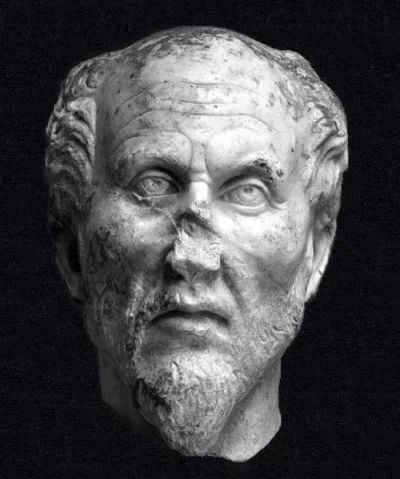
Plotinus
Plotinus was a Hellenistic Greek philosopher, born and raised in Roman Egypt.
Mystic
💡 Why Read This Book?
Reading 'Plotini Platonicorum coryphi Opera' today offers readers a unique opportunity to engage with the foundational texts of Neoplatonism. This book provides deep insights into the mystical and metaphysical dimensions of reality, helping readers to understand the interconnectedness of all existence. For those interested in esoteric studies and occult philosophy, this text serves as a valuable resource, offering timeless wisdom that can enrich one's spiritual journey. It is a bridge between ancient wisdom and contemporary thought, making it an essential read for anyone seeking to explore the deeper mysteries of life.
⭐ Reader Reviews
Honest opinions from readers who have explored this book.
❓ Frequently Asked Questions
What is the significance of Marsilio Ficino's translation?
Marsilio Ficino's translation is significant because it played a crucial role in the Renaissance revival of Platonism. His meticulous work ensured that Plotinus' esoteric teachings were accessible to a wider audience, influencing both Western and Eastern philosophical traditions.
Who should read this book?
This book is ideal for readers interested in esoteric studies, occult philosophy, and the mystical traditions of the West. It is particularly valuable for those seeking to understand the foundational texts of Neoplatonism and their enduring influence on contemporary thought.
What are the key themes explored in this book?
The key themes in this book include the nature of the One, the soul, and the relationship between the divine and the material world. Plotinus delves into the mystical and metaphysical dimensions of reality, offering insights that have influenced both Western and Eastern philosophical traditions.
🔮 Key Themes & Symbolism
Spiritual Ascension
Plotinus' works delve deeply into the concept of spiritual ascension, guiding readers through the stages of the soul's journey towards divine union. This theme is central to his esoteric philosophy and offers a pathway to spiritual enlightenment.
The Nature of Reality
The book explores the mystical dimensions of reality, revealing the interconnectedness of all things. This theme challenges conventional understanding and invites readers to see the world through a new lens.
Divine Union
Plotinus' teachings on divine union are a central to his philosophy. This theme emphasizes the ultimate goal of spiritual ascension and the union of the soul with the divine.
💡 Key Ideas
Editorial paraphrase of the work's core concepts — not direct quotes.
The soul, in its ascent, seeks to reunite with the divine.
This passage highlights the ultimate goal of spiritual ascension in Plotinus' philosophy.
All things are connected in the divine fabric of existence.
This quote underscores the interconnectedness of all things, a central theme in Plotinus' works.
The path to enlightenment is one of self-discovery and spiritual growth.
This line emphasizes the personal journey towards divine union and spiritual enlightenment.
The mysteries of the cosmos reveal themselves to those who seek.
This passage invites readers to explore the hidden knowledge within Plotinus' teachings.
The soul's journey is a mystical adventure into the depths of the divine.
This quote captures the essence of Plotinus' esoteric philosophy and its focus on spiritual ascension.
🌙 Esoteric Significance
Tradition
Plotinus' works belong to the Hermetic tradition, which emphasizes the pursuit of hidden knowledge and spiritual enlightenment. This tradition has deeply influenced Western esotericism and occult philosophy.
Symbolism
Key symbols in Plotinus' teachings include the ascent of the soul, the divine union, and the interconnectedness of all things. These symbols represent the mystical journey towards spiritual enlightenment.
Modern Relevance
Plotinus' ideas continue to be relevant today, influencing modern esoteric practices and spiritual seekers. His teachings on spiritual ascension and the nature of reality offer timeless insights into the human condition and the quest for divine union.
👥 Who Should Read This Book
Beginners in occult studies may find the text challenging but rewarding, as it provides a foundation for understanding esoteric philosophy. Scholars of occult philosophy will appreciate the depth and richness of Plotinus' insights. Spiritual seekers will find inspiration and guidance in the mystical journey described in the book. Practitioners of esoteric disciplines will benefit from the profound teachings on spiritual ascension and divine union.
📜 Historical Context
Written during the late Roman Empire, Plotinus' works emerged in a time of spiritual and intellectual ferment. His teachings offered a strong example of hope and wisdom during a period of turmoil, providing a path to spiritual enlightenment amidst the chaos. The influence of Plotinus' ideas can be seen in the works of later philosophers and mystics, shaping the course of Western esoteric thought. His works continue to resonate with seekers of hidden knowledge and spiritual truths.
📔 Journal Prompts
Reflect on your own journey towards spiritual enlightenment. What challenges have you faced and how have you overcome them?
Consider the interconnectedness of all things. How does this concept influence your understanding of the world?
Explore the idea of divine union. What steps can you take to deepen your connection with the divine?
Examine the symbols in Plotinus' teachings. How do they resonate with your own spiritual experiences?
Reflect on the historical context of Plotinus' works. How do his teachings continue to influence modern esoteric practices?
🗂️ Glossary
Spiritual Ascension
The journey of the soul towards divine union and spiritual enlightenment.
Divine Union
The ultimate goal of spiritual ascension, where the soul reunites with the divine.
Esoteric Philosophy
The study of hidden knowledge and mystical truths, often explored through occult and mystical texts.
Hermetic Tradition
A branch of esoteric thought that emphasizes the pursuit of hidden knowledge and spiritual enlightenment.
Interconnectedness
The idea that all things are connected in the divine fabric of existence.
This book appears in 6 collections
🔮 Readers Also Liked
Browse all →








More by Plotinus
All books →




From the “Occultism” Collection
View all →






More Free Occult Philosophy Books
View all →