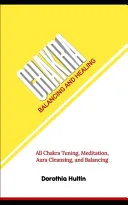
Chakra Balancing and Healing
 76
76

Chakra Balancing and Healing
Dorothia Hultin's "Chakra Balancing and Healing" approaches its subject with a clarity that is often missing in popular chakra literature. The author avoids overly mystical jargon, grounding the explanation of each chakra's function in tangible physical and emotional states. For instance, the detailed exploration of the Anahata chakra's connection to compassion and emotional resilience offers a practical framework for self-assessment. However, the book could benefit from a more robust discussion of potential contraindications or the energetic nuances encountered when working with significantly blocked or imbalanced chakras. While Hultin provides solid introductory techniques, the depth of application for advanced practitioners might feel somewhat limited. Nevertheless, it serves as a dependable primer for those beginning their journey with energy work, offering a balanced perspective on this ancient practice. It provides a solid foundation for understanding the energetic body.
📝 Description
76
Dorothia Hultin's 2018 book explains the seven primary chakras and their impact on well-being.
This text details the chakra system, focusing on the seven main energy centers along the spine. Hultin breaks down how these chakras connect and influence physical, emotional, and mental states. The book is designed for anyone interested in holistic wellness, energy healing, or spiritual systems. It serves as a guide for those new to the chakra system and offers a structured approach for experienced practitioners.
The author elaborates on specific concepts, including the Sanskrit names of the seven chakras: Muladhara, Svadhisthana, Manipura, Anahata, Vishuddha, Ajna, and Sahasrara. For each chakra, Hultin discusses its corresponding color, element, and psychological functions. The book also addresses methods for recognizing imbalances within this energy system and offers techniques, such as visualization and breathwork, to help restore harmony.
Chakra balancing draws from ancient Indian spiritual traditions, particularly Tantra and Yoga. While the concept of subtle energy centers has been present for millennia, its modern interpretation and popularization increased in the 20th century. This work connects to Western esoteric movements and figures who have adapted these ancient ideas for contemporary practice.
💡 Why Read This Book?
• Understand the specific roles of the seven primary chakras, from the grounding Muladhara to the spiritual Sahasrara, as detailed in Hultin's structured approach. • Learn practical techniques for identifying and addressing imbalances within your personal energy system, as presented in the book's dedicated chapters on healing modalities. • Gain insight into the historical roots of chakra theory, connecting modern practice to its origins in ancient Indian spiritual traditions discussed within the text.
⭐ Reader Reviews
Honest opinions from readers who have explored this book.
❓ Frequently Asked Questions
What are the seven main chakras and their functions?
The seven main chakras are Muladhara (root), Svadhisthana (sacral), Manipura (solar plexus), Anahata (heart), Vishuddha (throat), Ajna (third eye), and Sahasrara (crown). Each governs different aspects of physical, emotional, and spiritual well-being.
How does chakra balancing differ from traditional medicine?
Chakra balancing focuses on the body's subtle energy system, aiming to harmonize energetic flow. Traditional medicine typically addresses physical ailments through biological and chemical means, though complementary approaches are increasingly recognized.
When was chakra balancing first documented?
While the concepts are ancient, detailed descriptions of the chakra system emerged in Hindu and Tantric traditions of India, with texts like the Upanishads and later Tantras discussing these energy centers.
Can chakra imbalances cause physical symptoms?
Yes, according to chakra theory, blockages or imbalances in specific chakras can manifest as physical ailments corresponding to the organs and systems associated with that energy center.
What are some common techniques for chakra healing?
Common techniques include visualization, meditation, breathwork (pranayama), affirmations, sound healing (mantras), and the use of color or crystals associated with each chakra.
Is Dorothia Hultin's book suitable for beginners?
Yes, "Chakra Balancing and Healing" is designed to be accessible to beginners, providing clear explanations of complex concepts and practical exercises for self-application.
🔮 Key Themes & Symbolism
The Seven Energy Centers
The core of the book lies in its detailed exposition of the seven primary chakras. Each is presented with its Sanskrit name, corresponding color, element, location in the body, and a spectrum of psychological and physical associations. Hultin emphasizes how these centers, from the grounding Muladhara to the transcendent Sahasrara, form a vital energetic pathway influencing overall health and consciousness.
Holistic Wellness Framework
Hultin frames chakra balancing not merely as an esoteric practice but as a component of holistic health. The book argues that imbalances in the chakras can manifest as physical discomfort, emotional distress, or mental blocks. By addressing these energy centers, individuals can work towards a more integrated state of well-being, impacting all facets of life.
Practical Application Techniques
Beyond theoretical understanding, the book offers actionable methods for practitioners. This includes guided meditations, specific breathing exercises, and affirmations tailored to each chakra. The emphasis is on empowering the reader with tools to actively engage in their own healing process, fostering self-awareness and personal energetic management.
Ancient Roots, Modern Practice
The work situates chakra theory within its historical and spiritual lineage, originating from ancient Indian traditions. Hultin bridges the gap between these ancient concepts and contemporary life, demonstrating how these timeless principles can be applied to modern challenges and personal development goals.
💬 Memorable Quotes
Direct passages from the work, attributed to the author.
“Each chakra is a gateway to different aspects of consciousness.”
— This statement highlights the book's central premise: that the energy centers are not just physical locations but also portals to understanding deeper psychological states and spiritual awareness.
“An imbalanced heart chakra can manifest as emotional detachment or possessiveness.”
— This interpretation illustrates how the book connects specific energetic states (imbalance in Anahata) to observable emotional patterns, providing concrete examples of chakra influence.
“Balancing the solar plexus chakra enhances personal power and confidence.”
— This suggests a direct correlation between working with the Manipura chakra and achieving tangible improvements in self-esteem and assertiveness, as explored in the book's practical sections.
💡 Key Ideas
Editorial paraphrase of the work's core concepts — not direct quotes.
The throat chakra governs our ability to communicate truth.
This paraphrase focuses on the Vishuddha chakra's role in expression, linking energetic health to the vital human function of authentic communication.
Grounding begins with the root chakra, connecting us to the Earth.
This quote emphasizes the foundational importance of the Muladhara chakra for establishing stability and a sense of belonging, a key theme in understanding the energetic system.
🌙 Esoteric Significance
Tradition
This work fits within the modern esoteric and New Age interpretations of Hindu Tantric and Yogic traditions. It adapts complex concepts of subtle anatomy, particularly the chakra system, for a Western audience seeking practical tools for personal development and spiritual well-being, largely diverging from the more rigorous philosophical and ascetic paths of classical Indian traditions.
Symbolism
The book prominently features the lotus flower as a symbol for the chakras, with each petal count and color representing different energetic qualities. Light and color are also key symbols, with specific hues associated with each energy center and used in healing practices. Sound, particularly through mantras, is another symbolic element representing vibrational healing.
Modern Relevance
Contemporary practitioners of energy healing, mindfulness coaches, and yoga instructors frequently draw upon the principles outlined in such chakra texts. The work's accessible approach influences modern therapeutic modalities that integrate mind-body-spirit connections, resonating with current trends in holistic health and self-care.
👥 Who Should Read This Book
['• Beginners exploring energy healing: Those new to concepts like chakras will find clear explanations and practical exercises to start their journey.', "• Wellness enthusiasts seeking holistic approaches: Individuals interested in mind-body connection and integrative health practices will appreciate the book's focus on overall well-being.", '• Personal development practitioners: Readers looking for tools to enhance self-awareness, emotional regulation, and spiritual growth will find actionable guidance.']
📜 Historical Context
Published in 2023, Dorothia Hultin's "Chakra Balancing and Healing" arrives in an era where interest in Eastern spiritual practices and holistic wellness has reached mainstream appeal. The work builds upon a tradition significantly shaped in the West during the 20th century, influenced by Theosophists and later by figures like Alice Bailey and Anodea Judith, who popularized chakra concepts within esoteric and New Age circles. This book emerges in a landscape where competing schools of thought on energy healing abound, from Reiki to Pranic Healing. While Hultin's text doesn't engage directly with specific academic critiques or censorship, its accessibility positions it as a popular entry point, contrasting with more specialized or academically rigorous treatises on Kundalini or subtle body anatomy that might have emerged from earlier Indian philosophical movements.
📔 Journal Prompts
The Muladhara chakra's connection to security and grounding.
Anahata chakra's role in relationships and empathy.
Vishuddha chakra's expression of authentic voice.
Ajna chakra's influence on intuition and perception.
The Sahasrara chakra's connection to universal consciousness.
🗂️ Glossary
Chakra
From Sanskrit, meaning 'wheel' or 'disk.' Refers to the seven primary energy centers located along the spine in esoteric traditions, believed to regulate the flow of vital energy (prana).
Prana
The vital life force or energy that flows through all living beings. In chakra theory, the balanced flow of prana is essential for health and well-being.
Muladhara
The root chakra, located at the base of the spine. Associated with grounding, security, and survival instincts. Its element is Earth.
Svadhisthana
The sacral chakra, located in the lower abdomen. Associated with creativity, sexuality, and emotions. Its element is Water.
Manipura
The solar plexus chakra, located in the upper abdomen. Associated with personal power, self-esteem, and willpower. Its element is Fire.
Anahata
The heart chakra, located in the center of the chest. Associated with love, compassion, and connection. Its element is Air.
Vishuddha
The throat chakra, located in the throat area. Associated with communication, self-expression, and truth. Its element is Ether/Sound.
Ajna
The third eye chakra, located between the eyebrows. Associated with intuition, insight, and imagination. Its element is Light/Sound.
Sahasrara
The crown chakra, located at the top of the head. Associated with spiritual connection, consciousness, and enlightenment. Its element is Thought/Consciousness.