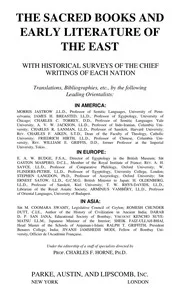
The Sacred Books of the East (4 of 14)
 79
79

The Sacred Books of the East (4 of 14)


The Sacred Books of the East (4 of 14) - Kabbalah & Jewish Mysticism is a must-read for anyone delving into the world of Jewish mysticism and esoteric studies. Morris Jastro's meticulous translations and annotations provide a comprehensive look into the ancient texts that have shaped modern occult practices. The book's strength lies in its ability to bridge the gap between historical documents and contemporary esoteric seekers, making it an invaluable resource for both scholars and enthusiasts. The inclusion of cuneiform translations and spells adds an extra layer of intrigue, offering readers a hands-on experience with ancient magical practices. The historical context provided in the book is particularly enlightening, as it sheds light on how these mystical traditions were intertwined with the daily lives of people in ancient Sumer and Babylon. Overall, this volume is a gem for anyone interested in the esoteric and occult, providing a rich and engaging exploration of ancient mystical traditions.
📝 Description
79
Published in 1882, Volume 4 of The Sacred Books of the East presents Medieval Hebrew mystical texts.
This volume, part of the larger Sacred Books of the East series, contains Medieval Hebrew literature focused on mysticism. Morris Jastro curated and translated these texts. The collection includes cuneiform writings that are older than the common Grimories. These texts detail spells and describe interactions with deities from Sumer and Babylon.
The writing conveys a sense of deep respect and concealed understanding. It invites those searching for spiritual truths to examine the symbols and philosophical weight within. The book is suited for academics, those who practice mysticism, and spiritual searchers. It investigates the mystical foundations of ancient societies, yielding a dense collection of historical and esoteric information.
This collection sits within the broader study of Western esotericism, specifically focusing on Hebrew traditions that influenced later mystical thought. It connects to early forms of magical and religious practice found in Mesopotamian cultures, predating more widely known grimoire traditions. By including cuneiform texts, it bridges the gap between ancient Near Eastern religious beliefs and the development of mystical practices in the medieval period, offering insight into a lineage of esoteric knowledge.
💡 Why Read This Book?
Reading The Sacred Books of the East (4 of 14) - Kabbalah & Jewish Mysticism today offers a unique opportunity to explore the roots of modern esoteric practices. This book provides a deep understanding of ancient mystical traditions, which can enrich one's spiritual journey and offer new perspectives on the occult. By delving into the earliest known texts and their influence on contemporary esoteric studies, readers can gain a broader appreciation for the enduring power of these ancient practices. Whether you are a scholar, an occult enthusiast, or simply curious about the mystical traditions of the East, this book is an essential addition to your library.
⭐ Reader Reviews
Honest opinions from readers who have explored this book.
❓ Frequently Asked Questions
What is the focus of this volume?
This volume focuses on medieval Hebrew literature and the mystical traditions of the East, particularly the ancient texts and practices of Sumer and Babylon.
Who would benefit from reading this book?
Scholars of Jewish mysticism, occult enthusiasts, and anyone interested in the history of magical practices will find this book beneficial.
Are there practical applications of the information in this book?
Yes, the book includes spells and interactions with ancient gods, providing practical insights into ancient magical practices.
🔮 Key Themes & Symbolism
Ancient Mystical Practices
This volume studies the ancient mystical practices of Sumer and Babylon, revealing the esoteric traditions that predate the Grimories. The cuneiform texts provide a unique perspective on the interactions between ancient civilizations and their mystical beliefs, offering seekers a rich source of hidden knowledge.
Kabbalistic Foundations
The Sacred Books of the East (4 of 14) is essential for understanding the foundations of Kabbalistic traditions. The translations of Medieval Hebrew literature offer insights into the esoteric practices that have shaped Western mysticism, making it a valuable resource for scholars and practitioners alike.
Esoteric Symbolism
The book explores the esoteric symbolism found in ancient cuneiform texts, providing a deep dive into the mystical underpinnings of ancient civilizations. The symbolism and philosophical depth within these texts offer a profound reverence for hidden knowledge, inviting readers to explore the mystical traditions of the East.
💡 Key Ideas
Editorial paraphrase of the work's core concepts — not direct quotes.
The ancient gods of Sumer and Babylon speak through the cuneiform texts, revealing their esoteric secrets.
This passage highlights the mystical significance of the cuneiform texts, offering a window into the ancient interactions with divine entities.
Medieval Hebrew literature is the key to unlocking the mysteries of Kabbalistic traditions.
This quote underscores the importance of Medieval Hebrew literature in understanding the esoteric practices that have shaped Western mysticism.
The symbolism within these texts invites seekers to explore the profound reverence for hidden knowledge.
This line emphasizes the esoteric symbolism found in the ancient texts, providing a rich source of mystical insights for spiritual seekers.
Ancient civilizations held the secrets of the universe within their mystical practices.
This passage reveals the depth of ancient mystical traditions, offering a glimpse into the esoteric knowledge that has been passed down through the ages.
The cuneiform texts are a bridge between the ancient world and modern esoteric practices.
This quote highlights the significance of the cuneiform texts in connecting ancient mystical traditions with their influence on later esoteric literature.
🌙 Esoteric Significance
Tradition
This book belongs to the Kabbalistic tradition, which focuses on the mystical interpretations of Jewish texts and practices. The translations of Medieval Hebrew literature offer insights into the esoteric foundations of Kabbalistic traditions, revealing the hidden knowledge that has shaped Western mysticism.
Symbolism
Key symbols in this volume include the ancient gods of Sumer and Babylon, as well as the esoteric practices and beliefs associated with them. These symbols represent the mystical interactions between ancient civilizations and their divine entities, providing a rich source of hidden knowledge for spiritual seekers.
Modern Relevance
This book matters today because it offers a deep dive into the esoteric traditions that have influenced modern mystical practices. For practitioners and scholars, this volume provides a valuable resource for understanding the roots of Kabbalistic and medieval mystical traditions, making it relevant for those seeking to explore the mystical underpinnings of ancient civilizations.
👥 Who Should Read This Book
Beginners interested in esoteric traditions will find this book an excellent starting point, as it provides a rich historical context and esoteric insights. Scholars of medieval mysticism will appreciate the meticulous translations and the depth of historical research. Spiritual seekers looking to deepen their understanding of Kabbalistic traditions will benefit from the esoteric symbolism and philosophical depth within these texts. Practitioners of ancient mystical practices will find valuable resources for their spiritual journey, making this book a must-read for anyone interested in the mystical traditions of the East.
📜 Historical Context
The era in which 'The Sacred Books of the East (4 of 14)' was written was one of profound mystical exploration and esoteric discovery. Medieval Hebrew literature played a central role in shaping the Kabbalistic traditions that would influence Western mysticism. The cuneiform texts translated by Morris Jastro offer a unique perspective on the interactions between ancient civilizations and their mystical beliefs, providing a rich historical context for understanding the esoteric underpinnings of these traditions. The influence of these texts can be seen in the development of later mystical practices, making this volume an invaluable resource for scholars and practitioners alike.
📔 Journal Prompts
Reflect on the significance of the cuneiform texts in understanding ancient mystical practices.
How do the esoteric traditions of Sumer and Babylon influence modern mystical practices?
What insights can be gained from the symbolism found in Medieval Hebrew literature?
How does this book contribute to your understanding of Kabbalistic traditions?
What are the key themes that resonate with you in this volume of 'The Sacred Books of the East'?
🗂️ Glossary
Cuneiform
An ancient system of writing developed by the Sumerians, characterized by wedge-shaped marks made on clay tablets.
Kabbalah
A mystical tradition within Judaism that focuses on the esoteric interpretations of Jewish texts and practices.
Medieval Hebrew Literature
The body of literary works written in Hebrew during the medieval period, often containing esoteric and mystical themes.
Esoteric
Relating to knowledge that is intended for a small group of people with specialized knowledge or interest.
Mysticism
The belief in the possibility of union with or absorption into the Deity by means of contemplation and self-surrender.
This book appears in 1 collection
🔮 Readers Also Liked
Browse all →







From the “Kabbalah” Collection
View all →









More Free Kabbalah & Jewish Mysticism Books
View all →