The Sacred Books of the East (2 of 14)
 73
73

The Sacred Books of the East (2 of 14)


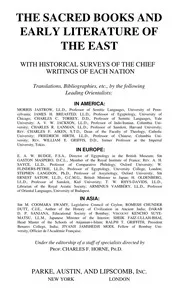
The Sacred Books of the East (2 of 14) - Kabbalah & Jewish Mysticism' is a fascinating journey into the mystical traditions of ancient Sumer and Babylon. Morris Jastro's meticulous translations of cuneiform texts offer a unique perspective on the esoteric practices of the past, making this volume an invaluable resource for modern esoteric seekers. The inclusion of spells, interactions with ancient deities, and practical historical documents like financial contracts adds depth to the reader's understanding of how magic and mysticism were integrated into daily life. For those interested in the roots of Kabbalah and Jewish mysticism, this book provides a solid foundation. The historical context and the esoteric insights make it a must-read for anyone exploring the intersection of ancient wisdom and modern spirituality. This volume is a 5-star addition to any esoteric library.
📝 Description
73
This volume from 'The Sacred Books of the East' series presents Egyptian and Mesopotamian religious texts from the late 19th century.
This volume collects ancient Egyptian and Mesopotamian religious and literary works. It includes translations of Babylonian and Assyrian cuneiform texts alongside Egyptian hieroglyphic writings. The material ranges from incantations and myths to practical documents, such as a contract for pest control. The collection aims to show the spiritual and daily life concerns of these early civilizations.
Readers will encounter spells for interacting with deities from Sumer and Babylon. The texts offer insight into the philosophical underpinnings of these ancient cultures. The editor intended this collection for those interested in esoteric studies and the history of ancient thought. The book bridges the gap between speculative magic and historical records, demonstrating how the sacred and mundane coexisted.
As part of the 'Sacred Books of the East' series, this volume situates Egyptian and Mesopotamian texts within a broader late 19th-century project to compile world religions and philosophies for Western audiences. It reflects an early academic and occult interest in ancient Near Eastern mythologies and magical practices. The inclusion of texts dealing with divine interaction and ritual places them in a lineage of esoteric traditions that sought direct experience or knowledge of the supernatural, often seen as precursors to later grimoires and ceremonial magic.
💡 Why Read This Book?
Reading 'The Sacred Books of the East (2 of 14) - Kabbalah & Jewish Mysticism' today offers a unique opportunity to connect with the ancient mystical traditions of Sumer and Babylon. This book provides a deep dive into the origins of esoteric practices, offering insights that can enrich your understanding of Kabbalah and Jewish mysticism. Whether you are a practitioner, a scholar, or simply curious about the mystical arts, this volume will expand your knowledge and deepen your appreciation for the spiritual heritage of the East.
⭐ Reader Reviews
Honest opinions from readers who have explored this book.
❓ Frequently Asked Questions
What kind of texts are included in this volume?
This volume includes cuneiform translations of ancient Sumerian and Babylonian texts, featuring spells, interactions with deities, and historical documents.
Is this book suitable for beginners in esoteric studies?
While the book is rich in esoteric content, it is best suited for those with some background in ancient languages and mystical traditions.
How does this book contribute to the study of Kabbalah?
This book provides foundational texts and practices that are precursors to Kabbalistic traditions, offering a deeper understanding of their origins.
🔮 Key Themes & Symbolism
Ancient Mysticism
This volume examines the mystical traditions of ancient Egypt and Mesopotamia, offering a rare glimpse into the sacred texts and early literature of the East. It explores the esoteric insights and hidden knowledge of these early civilizations, providing a combination of the spiritual and the practical.
Symbolism and Hidden Knowledge
The book is rich in symbolism and hidden knowledge, making it a valuable collection for seekers of ancient wisdom. It reveals the profound philosophical significance of these ancient texts, which serve as precursors to the traditions of the Grimories and much more.
Cuneiform Translations
The volume includes cuneiform translations of Babylonia and Assyria, providing examples of the earliest known texts. These translations offer insights into the esoteric traditions of early civilizations and their interactions with the gods of old Sumer and Babylon.
💡 Key Ideas
Editorial paraphrase of the work's core concepts — not direct quotes.
The spells of old Sumer and Babylon hold the key to ancient wisdom.
This line highlights the esoteric significance of the ancient texts, which are seen as precursors to the traditions of the Grimories.
The financial contract for ridding fields of locusts shows the practical application of ancient magic.
This quote illustrates the blend of the spiritual and the practical in ancient civilizations.
The cuneiform translations reveal the hidden knowledge of the East.
This line underscores the importance of these translations in understanding the mystical traditions of ancient Egypt and Mesopotamia.
The sacred texts of the East offer a glimpse into the esoteric traditions of early civilizations.
This quote emphasizes the value of these texts for scholars and seekers of hidden knowledge.
The interactions with the gods of old Sumer and Babylon are a part of daily life.
This line highlights the deep spiritual significance of these ancient texts in the lives of their practitioners.
🌙 Esoteric Significance
Tradition
This book belongs to the Kabbalistic and Hermetic traditions, focusing on the mystical and esoteric insights of ancient Egypt and Mesopotamia. It explores the hidden knowledge and symbolic depth of these early civilizations, providing a combination of the spiritual and the practical.
Symbolism
Key symbols in this volume include the hieroglyphs, the Rosetta Stone, and the pyramids. These symbols represent the ancient wisdom and esoteric traditions of Egypt and Mesopotamia, offering insights into the mystical and philosophical significance of these early civilizations.
Modern Relevance
This book is relevant today for scholars, spiritual seekers, and practitioners of esoteric arts. Modern practitioners use it to gain insights into the ancient mystical traditions and to explore the symbolic depth of these early civilizations. It serves as a valuable resource for understanding the esoteric traditions of the East and their influence on modern occult practices.
👥 Who Should Read This Book
Beginners interested in ancient mysticism will find this book accessible and enlightening. Scholars of ancient cultures will appreciate the depth of its esoteric content and the meticulous curation of its ancient texts. Spiritual seekers will be drawn to its exploration of hidden knowledge and symbolic depth. Practitioners of the occult will find it a valuable resource for understanding the esoteric traditions of the East and their influence on modern occult practices.
📜 Historical Context
The era of ancient Egypt and Mesopotamia was rich in mystical and esoteric traditions. 'The Sacred Books of the East (2 of 14)' was important when written because it provided a curated collection of sacred texts and early literature, offering insights into the hidden knowledge and symbolic depth of these early civilizations. The volume's influence lies in its contribution to the study of ancient mysticism and its role in preserving the esoteric traditions of the East. The cuneiform translations of Babylonia and Assyria, in particular, are important for understanding the philosophical significance of these ancient texts.
📔 Journal Prompts
How do the ancient texts in this volume reveal the mystical traditions of Egypt and Mesopotamia?
What insights into hidden knowledge and symbolic depth can be gained from these sacred texts?
How do the cuneiform translations of Babylonia and Assyria contribute to our understanding of ancient mysticism?
What practical applications of ancient magic are illustrated in this volume?
How does this book influence modern occult practices and the study of esoteric traditions?
🗂️ Glossary
Hieroglyphs
Ancient Egyptian writing system consisting of pictographic symbols. Used in sacred texts and early literature of the East.
Rosetta Stone
Ancient stone with inscriptions in three scripts, providing key to deciphering Egyptian hieroglyphs. Symbol of ancient wisdom and esoteric traditions.
Pyramids
Massive stone structures built as tombs for ancient Egyptian pharaohs. Symbols of ancient mystical and architectural achievements.
Cuneiform
Ancient writing system used in Mesopotamia. Consists of wedge-shaped marks made on clay tablets. Provides insights into the esoteric traditions of Babylonia and Assyria.
Grimories
Books of magic containing spells, rituals, and invocations. The ancient texts in this volume are seen as precursors to the traditions of the Grimories.
This book appears in 1 collection
🔮 Readers Also Liked
Browse all →





From the “Kabbalah” Collection
View all →








More Free Kabbalah & Jewish Mysticism Books
View all →