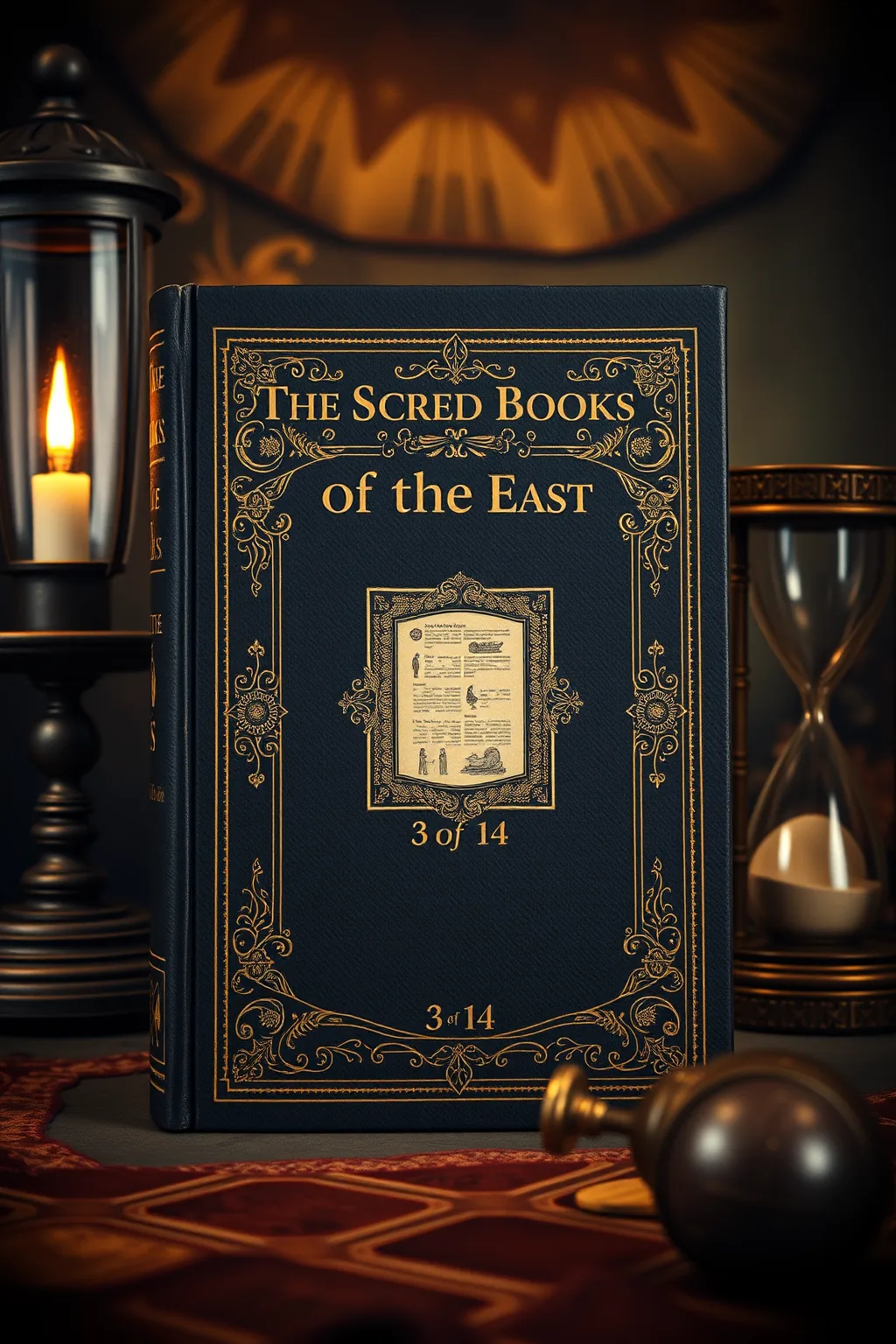
The Sacred Books of the East (3 of 14)
 80
80

The Sacred Books of the East (3 of 14)


The Sacred Books of the East (3 of 14) — Kabbalah & Jewish Mysticism is a fascinating journey into the esoteric traditions of the ancient world. Morris Jastro's meticulous translations of cuneiform texts offer a unique perspective on the mystical practices of Babylonia and Assyria, providing a foundation for understanding modern occult traditions. The book's blend of magical spells, historical documents, and practical applications of ancient magic makes it a valuable resource for both academic and spiritual seekers. Modern esoteric practitioners will find this volume particularly enriching, as it sheds light on the early development of mystical traditions. The inclusion of mundane historical material adds depth to the esoteric content, making it a well-rounded exploration of ancient wisdom.
📝 Description
80
Published in 1882, this volume contains early cuneiform translations related to Hebrew mysticism.
This third volume of The Sacred Books of the East presents translations of cuneiform texts that connect Sumerian and Babylonian traditions with early Kabbalistic thought. Curated by Morris Jastro, the collection includes rituals, divine interactions, spells, incantations, and even mundane contracts. These documents offer a look into the earliest known practices and beliefs that would later inform esoteric traditions.
The texts reveal a system of hidden knowledge and symbolism. They illustrate a mindset steeped in ancient reverence and mystery, providing direct access to the sources that have shaped mystical practices for centuries. The volume’s contents are particularly relevant for understanding the philosophical underpinnings of ancient texts and their continued influence on modern esoteric thought.
This volume situates itself within the study of comparative religion and ancient mysticism. By translating cuneiform tablets, it bridges the gap between Mesopotamian religious practices and the development of Jewish esoteric traditions, specifically early Kabbalah. The focus on rituals, divine interactions, and symbolic language reflects a broader scholarly effort to uncover the historical roots of mystical thought. It demonstrates how ancient Near Eastern cultures conceived of the sacred and their relationship with otherworldly forces, laying groundwork for later mystical systems.
💡 Why Read This Book?
Reading The Sacred Books of the East (3 of 14) — Kabbalah & Jewish Mysticism today offers a profound understanding of the roots of esoteric traditions. Modern seekers will gain insights into the mystical practices of the ancient Near East, enriching their spiritual journey. The book's detailed translations and historical context provide a comprehensive view of early occult practices, making it an invaluable resource for both scholars and mystics.
⭐ Reader Reviews
Honest opinions from readers who have explored this book.
❓ Frequently Asked Questions
What is the focus of this book?
This book focuses on ancient Hebrew mysticism and the esoteric traditions of Babylonia and Assyria, featuring cuneiform translations of early texts.
Who should read this book?
Anyone interested in the origins of esoteric traditions, ancient history, and mystical practices will find this book enlightening.
What kind of texts are included?
The book includes magical spells, interactions with ancient deities, historical documents, and practical applications of ancient magic.
🔮 Key Themes & Symbolism
Ancient Rituals and Spells
This volume explores the ancient rituals and spells of Sumer and Babylon, providing a glimpse into the mystical practices that have influenced Kabbalah and Jewish mysticism. These rituals and spells offer a deeper understanding of the interactions between humans and divine entities in ancient times, and their relevance to modern esoteric practices.
Symbolism and Hidden Knowledge
The book is rich with symbolism and hidden knowledge, revealing the esoteric insights that have shaped occult traditions for millennia. The cuneiform translations provide an authentic layer to the mystical experience, making it an invaluable resource for serious scholars and practitioners.
Historical Context of Kabbalah
This volume offers a historical context for Kabbalah by exploring the ancient Hebrew and Babylonian traditions that influenced its development. By studying these ancient texts, readers can gain a comprehensive understanding of the mystical underpinnings of Kabbalah and its enduring impact on modern esoteric practices.
💡 Key Ideas
Editorial paraphrase of the work's core concepts — not direct quotes.
The wisdom of the ancients lies in the stars and the sands, whispered in the winds of time.
This quote underscores the timeless nature of ancient wisdom, which continues to guide seekers on their mystical journeys.
Spells and incantations are the language of the divine, bridging the gap between the mortal and the immortal.
This passage highlights the power of ancient rituals to connect humans with divine entities, revealing the mystical underpinnings of Kabbalah.
The cuneiform tablets hold the secrets of the ages, revealing the hidden knowledge that has shaped esoteric traditions.
This quote emphasizes the importance of cuneiform translations in uncovering the ancient roots of mystical practices and their relevance to modern esoteric studies.
In the sands of Babylon, the traces of ancient rituals still resonate, guiding the seeker on their path to enlightenment.
This passage underscores the enduring impact of ancient rituals on modern esoteric practices, providing a historical context for Kabbalah and Jewish mysticism.
The symbols etched in stone speak of a wisdom that transcends time, offering a glimpse into the mystical underpinnings of the universe.
This quote highlights the significance of symbolism in ancient texts, revealing the hidden knowledge that has shaped occult traditions for millennia.
🌙 Esoteric Significance
Tradition
This book belongs to the Kabbalistic and Jewish mystical traditions, offering a deep dive into the ancient texts that have shaped these practices. The cuneiform translations provide an authentic layer to the mystical experience, making it an invaluable resource for serious scholars and practitioners.
Symbolism
Key symbols in this book include ancient rituals, spells, and incantations, which represent the interactions between humans and divine entities. These symbols offer a glimpse into the hidden knowledge that has shaped occult traditions for millennia, providing a comprehensive understanding of the mystical underpinnings of Kabbalah.
Modern Relevance
This book is relevant today for modern practitioners of the occult and esoteric traditions, as it offers a historical context for Kabbalah and Jewish mysticism. By studying these ancient texts, seekers can deepen their understanding of mystical practices and their enduring impact on modern esoteric studies.
👥 Who Should Read This Book
Beginners in the field of esoteric studies may find this book challenging due to its deep dive into ancient texts and symbolism. However, scholars and serious practitioners of Kabbalah and Jewish mysticism will find it an invaluable resource. Spiritual seekers looking to deepen their understanding of ancient rituals and their relevance to modern esoteric practices will also benefit from this volume.
📜 Historical Context
The Sacred Books of the East (3 of 14) was written during a time when interest in ancient mysticism and esoteric traditions was on the rise. The late 19th and early 20th centuries saw a resurgence of interest in Kabbalah and Jewish mysticism, as scholars and seekers studied the ancient texts that had shaped these traditions. This volume, curated by Morris Jastro, provides a historical context for Kabbalah by exploring the ancient Hebrew and Babylonian traditions that influenced its development. The cuneiform translations offer an authentic glimpse into the ancient rituals and interactions with divine entities, revealing the mystical underpinnings of Kabbalah and its enduring impact on modern esoteric practices.
📔 Journal Prompts
How do the ancient rituals and spells in this book influence your understanding of Kabbalah?
What symbols and hidden knowledge resonate with you the most, and why?
How do the cuneiform translations enhance your appreciation of ancient mysticism?
In what ways do the historical context and ancient traditions in this book inform your spiritual journey?
How can you apply the insights from this book to your modern esoteric practices?
🗂️ Glossary
Cuneiform
An ancient system of writing used in Mesopotamia, consisting of wedge-shaped marks made on clay tablets.
Kabbalah
A mystical tradition within Judaism that focuses on the hidden meanings behind the Hebrew scriptures and the nature of the divine.
Massoretic Texts
The authoritative Hebrew text of the Jewish Bible, including the Torah, Nevi'im, and Ketuvim.
Grimories
Books of magic, often containing spells, incantations, and rituals for invoking supernatural entities.
Talmud
A central text of Rabbinic Judaism, comprising the Mishnah and the Gemara, which provides interpretations and discussions of Jewish law.
This book appears in 1 collection
🔮 Readers Also Liked
Browse all →









From the “Kabbalah” Collection
View all →



![Kabbalah Dictionary [Hebrew To English].pdf (PDFy mirror)](/img/thumb/kabbalah-dictionary-hebrew-to-english-pdf-pdfy-mirror.webp)

More Free Kabbalah & Jewish Mysticism Books
View all →