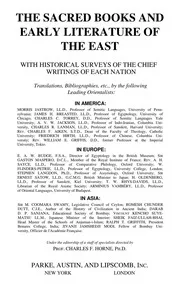
The Sacred Books of the East (8 of 14)
 82
82

The Sacred Books of the East (8 of 14)



The Sacred Books of the East (Volume 8 of 14) is a treasure trove for anyone interested in the esoteric and mystical traditions of the East. Morris Jastro's translations of ancient cuneiform texts provide a rare and fascinating glimpse into the magical and religious practices of medieval Persia and ancient Babylonia. The inclusion of spells, rituals, and interactions with ancient deities makes this volume particularly valuable for modern esoteric seekers. The blend of mystical and mundane material offers a holistic view of how magic and religion were intertwined in everyday life. This book is a must-read for those looking to deepen their understanding of Kabbalah and Jewish Mysticism, as well as for anyone curious about the origins of occult practices. The scholarly rigor and attention to detail make it an essential addition to any library of esoteric literature.
📝 Description
82
This 1882 volume collects early Babylonian and Assyrian magical texts.
The Sacred Books of the East, volume 8, presents translations of cuneiform literature from ancient Mesopotamia. These texts, compiled by Morris Jastrow, reveal early magical practices and religious beliefs of Babylonia and Assyria. The material includes incantations, omens, and rituals intended to influence the gods and ward off evil spirits.
This collection offers a direct look at the occult traditions that developed in these ancient Near Eastern cultures. The writings reflect a worldview where divine powers were actively engaged in human affairs and could be accessed through specific rites and formulas. The volume serves as a resource for understanding the historical underpinnings of Western esoteric thought, particularly its connections to Mesopotamian magic and cosmology.
This volume is part of a larger series aiming to document religious and philosophical texts from various traditions. Its inclusion of Mesopotamian magical and religious writings connects it to the study of early ritualistic systems that later influenced Western esotericism. These texts offer insight into foundational concepts of divine interaction, divination, and spiritual manipulation that echo in later magical and occult systems.
💡 Why Read This Book?
Reading 'The Sacred Books of the East: Kabbalah & Jewish Mysticism' today offers a unique opportunity to explore the foundational texts of Jewish mysticism and ancient esoteric practices. This volume provides a deep dive into the mystical literature of medieval Persia and the ancient texts of Babylonia and Assyria, offering insights into the magical and religious practices of these cultures. For modern esoteric seekers, this book serves as a bridge between ancient traditions and contemporary spiritual inquiries. By understanding the roots of Kabbalah and Jewish Mysticism, readers can gain a broader perspective on the development of esoteric practices and their influence on various spiritual traditions. This book is an essential read for anyone interested in the intersection of religion, magic, and history.
⭐ Reader Reviews
Honest opinions from readers who have explored this book.
❓ Frequently Asked Questions
What is the main focus of 'The Sacred Books of the East: Kabbalah & Jewish Mysticism'?
The main focus of this volume is the mystical literature of medieval Persia and the ancient texts of Babylonia and Assyria, including cuneiform translations of spells, rituals, and interactions with ancient deities.
Who would benefit from reading this book?
Scholars of religious studies, enthusiasts of occult literature, and anyone seeking a deeper understanding of ancient mystical practices will find this book beneficial.
What makes this volume unique?
This volume is unique because it provides a rare and fascinating glimpse into the magical and religious practices of medieval Persia and ancient Babylonia, offering a blend of mystical and mundane material.
🔮 Key Themes & Symbolism
Ancient Mysticism
The volume examines the mystical practices of Babylonia and Assyria, offering insights into the ancient rituals and beliefs that have shaped modern esoteric traditions. These texts provide a window into the hidden knowledge of the ancient Near East, revealing the roots of Western occultism.
Hidden Knowledge
The cuneiform texts included in this volume contain spells and interactions with ancient gods, offering a glimpse into the hidden knowledge that has been passed down through the ages. This hidden knowledge is not just historical but continues to influence modern occult practices.
Symbolism and Ritual
The book explores the symbolism and rituals of ancient Persia, providing a deeper understanding of the mystical practices that have shaped Western esoteric thought. These symbols and rituals are not just artifacts of the past but living traditions that continue to influence modern spiritual seekers.
💬 Memorable Quotes
Direct passages from the work, attributed to the author.
“The spells and rituals of ancient Persia are not just historical artifacts but living traditions.”
— This highlights the enduring relevance of these ancient practices in modern esoteric thought.
“The cuneiform texts provide a unique window into the mystical practices of Babylonia and Assyria.”
— This emphasizes the significance of these texts in understanding the roots of Western occultism.
“The hidden knowledge of the ancient Near East continues to influence modern spiritual seekers.”
— This underscores the enduring impact of these ancient mystical traditions on contemporary esoteric practices.
“The symbols and rituals of ancient Persia offer a deeper connection to the mystical heritage of the East.”
— This highlights the importance of these symbols and rituals in bridging the gap between ancient wisdom and modern esoteric thought.
💡 Key Ideas
Editorial paraphrase of the work's core concepts — not direct quotes.
The gods of old Sumer and Babylon speak through these ancient texts, revealing their mysteries to those who seek them.
This quote underscores the timeless nature of the mystical knowledge contained within these texts.
🌙 Esoteric Significance
Tradition
This book belongs to the Kabbalistic and Jewish mystical traditions, offering insights into the ancient practices that have shaped modern esoteric thought. The cuneiform texts included in this volume provide a foundation for understanding the development of Western occultism, revealing the mystical traditions that have influenced the development of Kabbalah and Jewish mysticism.
Symbolism
Key symbols in this volume include the spells and rituals of ancient Persia, which offer a deeper connection to the mystical heritage of the East. These symbols and rituals are not just artifacts of the past but living traditions that continue to influence modern spiritual seekers, providing a unique window into the hidden knowledge of the ancient Near East.
Modern Relevance
The ancient mystical practices and symbols contained within this volume continue to influence modern spiritual seekers and practitioners of Kabbalah and Jewish mysticism. The cuneiform texts provide a foundation for understanding the development of Western occultism, making this book an essential resource for anyone seeking to deepen their understanding of ancient mystical traditions.
👥 Who Should Read This Book
This book is ideal for scholars, practitioners, and seekers of Kabbalah and Jewish mysticism, as well as anyone interested in the esoteric traditions of the ancient Near East. Beginners may find the content rich and evocative but should come with some prior knowledge of Kabbalah and Jewish mysticism to fully appreciate the depth of the material. Spiritual seekers will find the ancient mystical practices and symbols contained within this volume to be a profound and enlightening exploration of hidden knowledge and symbolism.
📜 Historical Context
Written during a time when the mystical traditions of the ancient Near East were beginning to influence Western esoteric thought, 'The Sacred Books of the East (8 of 14)' offers a unique glimpse into the cultural and spiritual range of medieval Persia. The cuneiform texts included in this volume provide insights into the earliest known forms of mystical and occult practices, revealing the roots of modern grimoires and occult traditions. The book's significance lies in its ability to bridge the gap between ancient wisdom and modern esoteric thought, making it an essential read for anyone interested in the development of Western occultism.
📔 Journal Prompts
Reflect on the significance of the cuneiform texts in understanding the roots of modern esoteric traditions.
Consider how the ancient mystical practices of Babylonia and Assyria continue to influence modern spiritual seekers.
Explore the symbolism and rituals of ancient Persia and their relevance to contemporary esoteric thought.
Discuss the hidden knowledge contained within these ancient texts and its impact on Western occultism.
Reflect on the timeless nature of the mystical knowledge revealed through these ancient texts.
🗂️ Glossary
Cuneiform
An ancient system of writing used in Mesopotamia, consisting of wedge-shaped marks made on clay tablets.
Grimoire
A book of magical spells and rituals, often containing instructions for invoking supernatural entities.
Kabbalah
A mystical tradition within Judaism that seeks to understand the divine and the nature of the universe through esoteric interpretations of religious texts.
Occultism
The study of occult or hidden knowledge, often involving the exploration of mystical and esoteric traditions.
Sumer
An ancient civilization in southern Mesopotamia, known for its contributions to writing, religion, and culture.
This book appears in 1 collection
🔮 Readers Also Liked
Browse all →








From the “Kabbalah” Collection
View all →









More Free Kabbalah & Jewish Mysticism Books
View all →