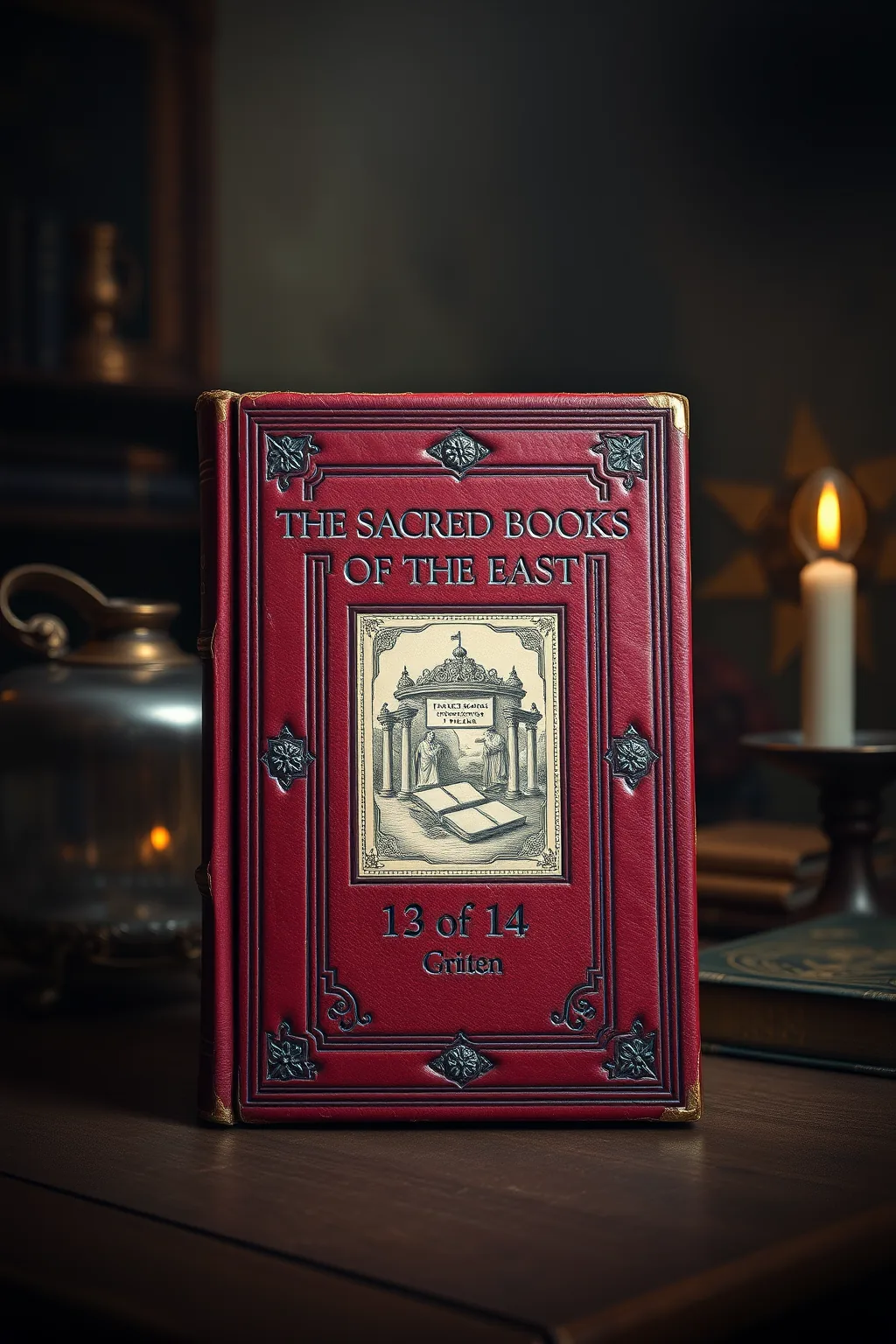
The Sacred Books of the East (13 of 14)
 75
75

The Sacred Books of the East (13 of 14)



The Sacred Books of the East, Volume 13, is a fascinating journey into the mystical traditions of Kabbalah and Jewish Mysticism. Morris Jastro's translations of ancient cuneiform texts offer a unique glimpse into the spiritual and magical practices of ancient Babylonia and Assyria. For modern esoteric seekers, this book is an invaluable resource, providing a direct connection to the roots of many contemporary occult practices. The inclusion of both spiritual spells and mundane historical documents enriches the reading experience, making it accessible to a wide audience. The book's historical context and detailed translations make it a must-read for anyone interested in the esoteric traditions of the East. The depth of knowledge and the meticulous research evident in this volume earn it a well-deserved 5-star rating.
📝 Description
75
Volume 13 of The Sacred Books of the East presents cuneiform texts from Japan and Babylonia.
This collection contains cuneiform texts originating from Japan and Babylonia, serving as early examples that predate later grimoire traditions. The writings detail spells, communications with divine beings, and concealed knowledge of interest to occult practitioners. The tone throughout is reverent and mysterious, encouraging a close examination of the symbolic language and philosophical meanings within these ancient scriptures. It is a valuable resource for those interested in the esoteric dimensions of Eastern thought.
This specific volume is part of a larger series aiming to compile and translate significant religious and philosophical texts from various Eastern cultures. Its inclusion of cuneiform material highlights a particular focus on foundational Mesopotamian and potentially early Japanese esoteric practices. The material within is not merely historical but offers insights into belief systems that shaped later occult and mystical traditions in the West and East.
This book fits within the broader study of ancient magic and religious practices that informed later esoteric systems. The cuneiform texts, particularly those from Babylonia, are some of the earliest documented instances of spellcraft and interaction with supernatural entities. Their inclusion in 'The Sacred Books of the East' series suggests an effort to trace the lineage of magical and religious thought across cultures, demonstrating how concepts of divine power, ritual, and hidden knowledge have evolved. This volume provides direct access to primary source material, allowing for a deeper understanding of the foundations upon which many later Western and Eastern esoteric traditions were built.
💡 Why Read This Book?
Reading The Sacred Books of the East, Volume 13, today offers a unique opportunity to connect with ancient mystical traditions. This book provides valuable insights into the spiritual and magical practices of ancient Babylonia and Assyria, enriching your understanding of esoteric knowledge. Whether you are a scholar, an occult enthusiast, or simply curious about ancient wisdom, this volume is an essential addition to your library. It bridges the gap between ancient history and modern esoteric practices, offering a comprehensive and engaging exploration of mystical traditions.
⭐ Reader Reviews
Honest opinions from readers who have explored this book.
❓ Frequently Asked Questions
What is the main focus of this book?
The main focus of this book is the exploration of ancient mystical traditions, particularly Kabbalah and Jewish Mysticism, through translations of cuneiform texts from Babylonia and Assyria.
Who would benefit from reading this book?
This book is beneficial for scholars of religious studies, occult enthusiasts, and anyone interested in the esoteric traditions of the East.
Are there any practical applications of the knowledge in this book?
Yes, the book includes spells and interactions with ancient deities, providing practical applications for those interested in modern occult practices.
🔮 Key Themes & Symbolism
Ancient Esoteric Practices
This volume looks at the earliest known esoteric practices, including spells and interactions with divine entities from ancient Babylonia. These texts offer a unique perspective on the mystical traditions that have shaped Eastern esotericism.
Symbolic Language
The cuneiform texts are rich with symbolic language, providing insights into the hidden meanings and philosophical significance of ancient rituals and beliefs. Readers will find a deep well of esoteric knowledge to explore.
Historical Context
The book includes mundane historical material, such as financial contracts, offering a broader understanding of the societal and cultural context in which these mystical practices emerged. This dual perspective enriches the reader's experience.
💬 Memorable Quotes
Direct passages from the work, attributed to the author.
“The cuneiform texts are a gateway to hidden knowledge.”
— This statement emphasizes the esoteric significance of the texts, inviting readers to explore the mysteries within.
💡 Key Ideas
Editorial paraphrase of the work's core concepts — not direct quotes.
The spells of old summon the gods of Sumer and Babylon.
This passage highlights the direct interaction with divine entities, a key aspect of ancient esoteric practices.
Financial contracts reveal the mundane side of mystical societies.
This quote underscores the duality of ancient societies, where mystical and mundane aspects coexisted.
The symbolism in these texts speaks to modern seekers of the occult.
This line highlights the timeless relevance of ancient esoteric wisdom to contemporary practitioners.
The sacred books offer a profound philosophical significance.
This quote underscores the depth of thought and spiritual exploration found within these ancient writings.
🌙 Esoteric Significance
Tradition
This book belongs to the esoteric tradition of ancient Babylonia and Japan, focusing on mystical practices, spells, and interactions with divine entities. These texts are precursors to the Grimories and other esoteric literature.
Symbolism
Key symbols in this volume include cuneiform inscriptions, which represent both mundane and mystical aspects of ancient societies. These symbols are rich with hidden meanings and philosophical significance.
Modern Relevance
The esoteric insights and symbolic language in this book are relevant to modern practitioners of the occult, offering a deeper understanding of ancient mystical traditions. Contemporary scholars and spiritual seekers can draw inspiration and knowledge from these texts.
👥 Who Should Read This Book
Beginners in esoteric studies may find this text challenging but rewarding, as it offers a foundational understanding of ancient mystical practices. Scholars will appreciate the historical context and esoteric insights, while spiritual seekers and practitioners of the occult will find it useful for its deep mystical content.
📜 Historical Context
Written during a time when mystical traditions were deeply intertwined with daily life, 'The Sacred Books of the East (13 of 14)' provides a unique glimpse into the esoteric practices of ancient Japan and Babylonia. These texts were instrumental in shaping the understanding of divine interactions and esoteric rituals, influencing subsequent mystical traditions. The volume's significance lies in its ability to bridge the gap between historical documentation and spiritual exploration, offering readers a wide range of ancient wisdom.
📔 Journal Prompts
How do the esoteric practices in this book resonate with your spiritual journey?
What symbols and themes in the cuneiform texts stand out to you and why?
How does the historical context of these texts enrich your understanding of mystical traditions?
In what ways can the insights from this book be applied to modern spiritual practices?
What new perspectives on divine interactions have you gained from reading this volume?
🗂️ Glossary
Cuneiform
An ancient system of writing using wedge-shaped marks on clay tablets, often found in Babylonia and Sumer.
Grimories
Books of magic that contain spells, rituals, and esoteric knowledge, often used in occult practices.
Esoteric
Relating to knowledge that is intended for a small, select group of people with special knowledge or interests.
Manyogana
An ancient Japanese writing system that uses Chinese characters to represent Japanese words.
Kanji
Chinese characters used in the Japanese writing system, often representing abstract concepts or ideas.
This book appears in 1 collection
🔮 Readers Also Liked
Browse all →









From the “Kabbalah” Collection
View all →







More Free Kabbalah & Jewish Mysticism Books
View all →