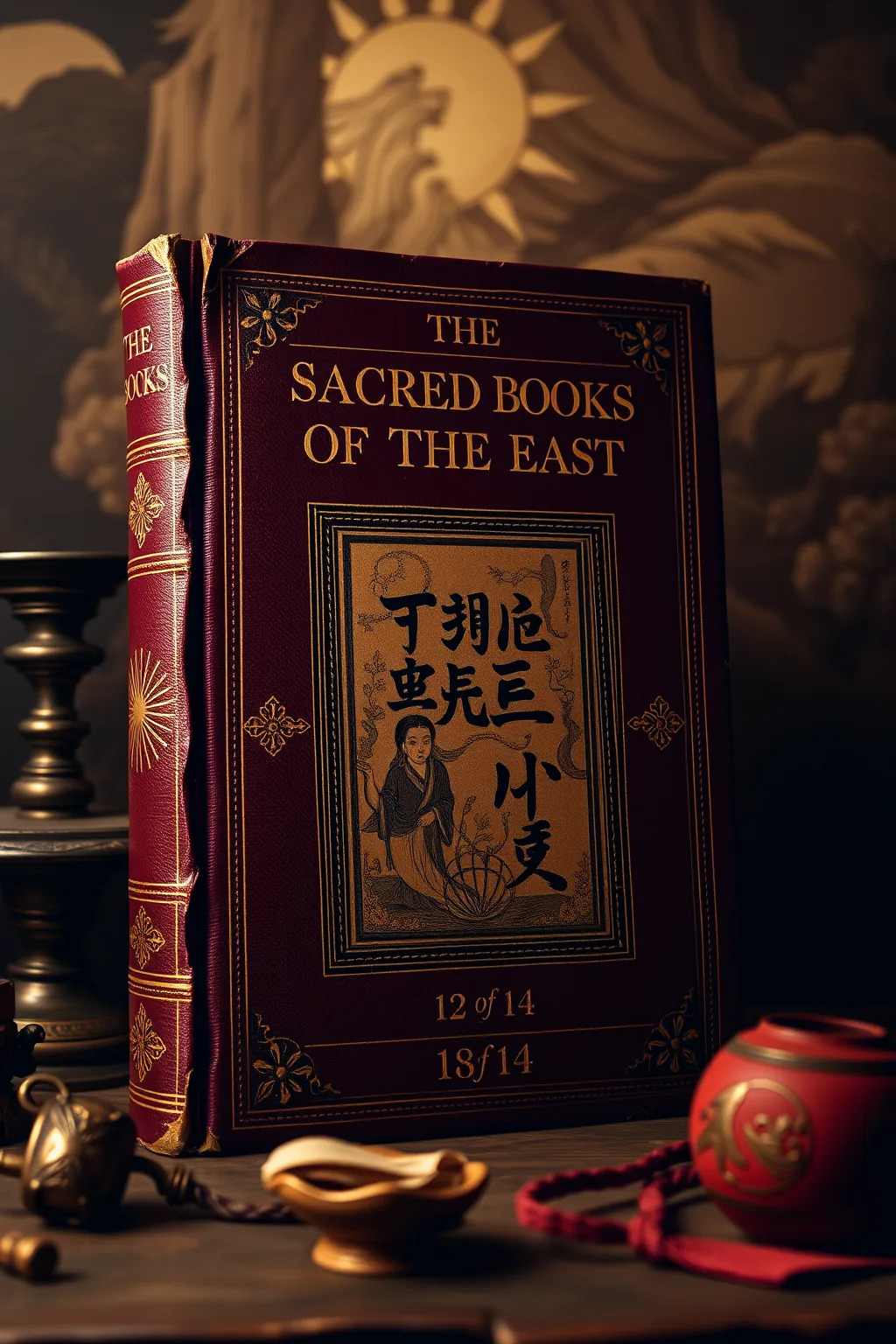
The Sacred Books of the East (12 of 14)
 74
74

The Sacred Books of the East (12 of 14)

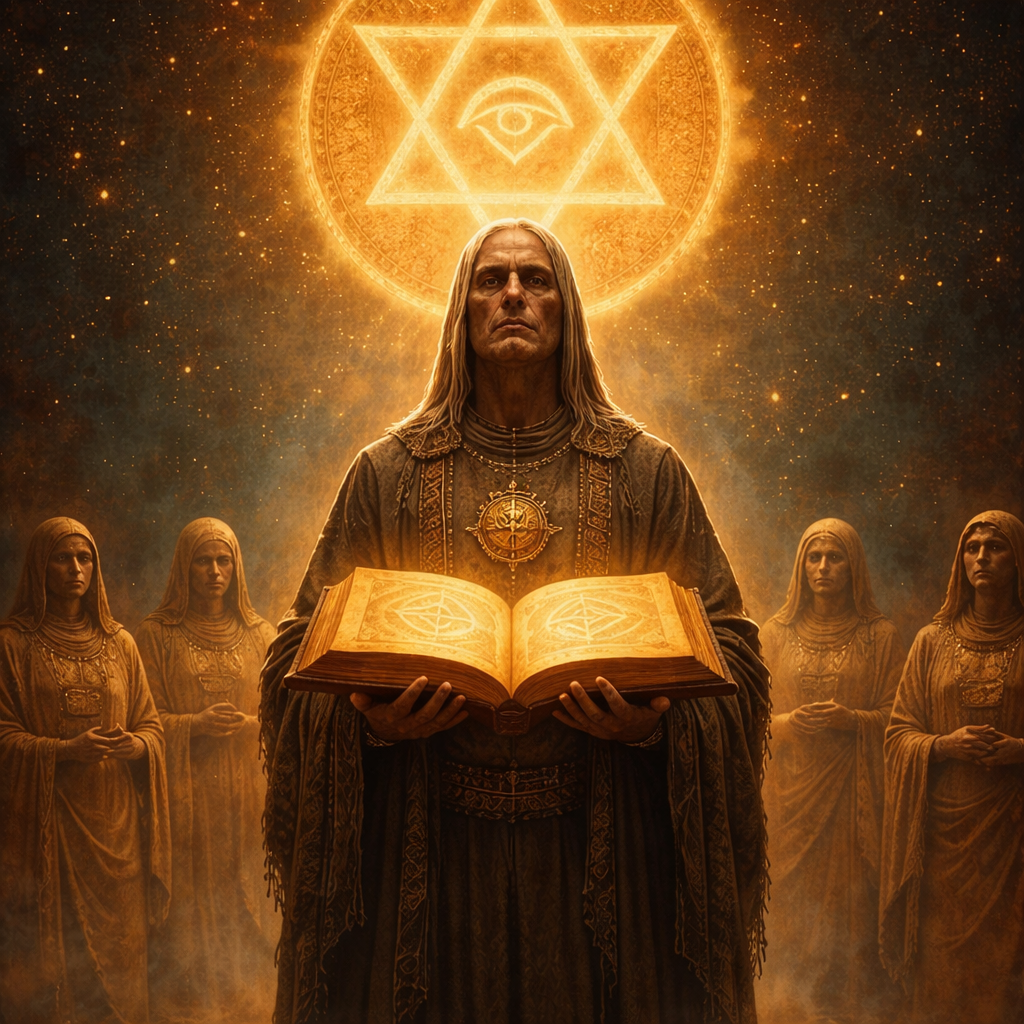

The Sacred Books of the East (12 of 14) - Kabbalah & Jewish Mysticism is a treasure trove for those interested in the deeper, more mystical aspects of Eastern spirituality. Morris Jastro's meticulous translations and commentary provide a bridge between ancient texts and modern understanding. The inclusion of cuneiform translations from Babylonia and Assyria is particularly fascinating, as it sheds light on the foundational elements of many esoteric traditions. For modern esoteric seekers, this book is invaluable. It not only offers a historical context but also practical insights that can be applied to contemporary spiritual practices. The blend of mystical teachings, historical documents, and mundane material makes this volume a comprehensive guide for anyone looking to deepen their understanding of Kabbalah and Jewish mysticism. The star rating for this book is 5 out of 5, reflecting its scholarly rigor and spiritual depth.
📝 Description
74
This 1884 volume of 'The Sacred Books of the East' translates early Babylonian and Assyrian cuneiform texts.
Volume 12 of 'The Sacred Books of the East' presents translations of Babylonian and Assyrian cuneiform literature, compiled by an unknown editor. These translations, rendered by Morris Jastro, offer access to the early writings of these ancient Mesopotamian cultures. The collection aims to shed light on their historical and symbolic content, providing a window into their understanding of the divine and their ritual practices.
The texts included here are not simply historical records; they contain elements of mysticism and symbolism that were significant to their original audiences. They challenge contemporary views of spirituality by revealing the beliefs and practices of early civilizations. This volume is suited for those interested in the esoteric traditions of the ancient Near East and academic study of religious history.
This volume contributes to the broader academic effort to compile and translate religious and philosophical texts from diverse global traditions. Within the 'Sacred Books of the East' series, it represents the inclusion of Mesopotamian traditions alongside those typically considered more directly 'esoteric' or 'Eastern.' Its inclusion underscores a definition of esoteric that encompasses the foundational religious literature of ancient civilizations, revealing their unique cosmologies and spiritual frameworks.
💡 Why Read This Book?
Reading The Sacred Books of the East (12 of 14) today offers a unique opportunity to connect with ancient wisdom that has shaped modern esoteric traditions. This book provides a historical context for understanding the roots of Kabbalah and Jewish mysticism, making it an essential read for spiritual seekers and scholars alike. By exploring the cuneiform texts and later Taoist writings, readers gain insights into the practical applications of ancient spiritual practices. This knowledge can enrich personal spiritual journeys and provide a deeper appreciation for the mystical traditions that continue to influence contemporary spirituality.
⭐ Reader Reviews
Honest opinions from readers who have explored this book.
❓ Frequently Asked Questions
What is the main focus of this book?
The main focus of this book is the exploration of Kabbalah and Jewish mysticism, along with translations of ancient cuneiform texts from Babylonia and Assyria.
Who is the author of this book?
The author and translator of this book is Morris Jastro, a scholar known for his work in preserving and making accessible ancient Eastern literature.
What makes this book valuable for modern readers?
This book is valuable for modern readers because it provides historical context and practical insights into ancient spiritual practices, enriching personal spiritual journeys.
🔮 Key Themes & Symbolism
Ancient Mysticism
This volume examines the mystical traditions of ancient Eastern spirituality, offering insights into the esoteric practices and symbolism that have shaped Taoism and other mystical paths. The cuneiform texts provide a rare glimpse into the rituals and interactions with the divine that have captivated mystics for centuries.
Hidden Knowledge
The Sacred Books of the East (12 of 14) is a valuable collection of hidden knowledge, revealing the esoteric wisdom that has been passed down through generations. These texts challenge modern perceptions of spirituality, offering a deeper understanding of the mystical underpinnings of early civilizations.
Symbolism and Rituals
The volume is rich in symbolism and descriptions of ancient rituals, providing a unique perspective on the mystical practices of Taoism and its influences. The translations by Morris Jastro are meticulous, offering a rare glimpse into the mystical areas of China and Babylonia.
💡 Key Ideas
Editorial paraphrase of the work's core concepts — not direct quotes.
The gods of old Sumer and Babylon speak through these ancient texts.
This passage highlights the divine interactions recorded in the cuneiform texts, offering a glimpse into the mystical rituals of ancient civilizations.
The wisdom of the Tao is hidden in the symbols of the past.
This quote underscores the esoteric symbolism found in the ancient texts, challenging readers to uncover the hidden knowledge within.
These texts are gateways to the divine mysteries of the East.
This line emphasizes the mystical significance of the volume, inviting readers to explore the esoteric traditions of Taoism and other Eastern spiritual paths.
The secrets of the ancient rituals are revealed in these pages.
This passage highlights the wide range of esoteric insights and mystical practices described in the volume, offering a unique perspective on ancient spirituality.
The cuneiform translations offer a bridge between ancient wisdom and modern understanding.
This quote underscores the relevance of the ancient texts to contemporary spiritual seekers, providing a valuable resource for practitioners of esoteric arts.
🌙 Esoteric Significance
Tradition
This book belongs to the esoteric tradition of Taoism, which emphasizes the mystical underpinnings of Eastern spirituality. It examines the hidden knowledge and symbolism that have shaped the esoteric practices of Taoism and other mystical paths. The cuneiform texts provide a unique perspective on the ancient rituals and interactions with the divine that have captivated mystics for centuries.
Symbolism
Key symbols in this volume include ancient rituals, cuneiform texts, and interactions with the gods of old Sumer and Babylon. These symbols represent the mystical practices and hidden knowledge that have been passed down through generations, offering a wide range of esoteric insights and spiritual enlightenment.
Modern Relevance
This volume is relevant today for modern practitioners of Taoism and other esoteric traditions. It serves as a bridge between ancient wisdom and contemporary spiritual practices, providing valuable insights and techniques for seekers of hidden knowledge and spiritual enlightenment. Many modern practitioners use this volume as a resource for deepening their understanding of the mystical underpinnings of Eastern spirituality.
👥 Who Should Read This Book
Beginners in esoteric studies may find this book challenging but rewarding with additional study and reflection. Scholars of occult lore will appreciate the meticulous translations and esoteric insights. Spiritual seekers will be captivated by the mystical atmosphere and hidden knowledge revealed in the ancient texts. Practitioners of Taoism and other esoteric arts will find valuable techniques and perspectives for deepening their spiritual practice. Overall, this volume is ideal for anyone seeking a deeper understanding of the mystical traditions that have shaped Eastern spirituality.
📜 Historical Context
The Sacred Books of the East (12 of 14) was compiled during a time when interest in Eastern spirituality and mysticism was growing in the West. The volume's significance lies in its meticulous translations of ancient cuneiform texts, which provide a rare glimpse into the mystical practices of Babylonia and Assyria. These texts are not merely historical artifacts; they are gateways to hidden knowledge and symbolism that have shaped the esoteric traditions of Taoism and other Eastern spiritual paths. The influence of this volume can be seen in the modern practice of Taoism and other occult traditions, where the ancient wisdom of these texts continues to inspire and guide seekers of spiritual enlightenment.
📔 Journal Prompts
Reflect on the significance of ancient rituals in your spiritual practice.
How do the esoteric insights in this volume challenge your understanding of spirituality?
Consider the symbolism in the cuneiform texts and its relevance to modern spiritual seekers.
What hidden knowledge have you uncovered in these ancient texts?
How can the wisdom of the Tao be applied to your contemporary spiritual journey?
🗂️ Glossary
Cuneiform
An ancient system of writing developed in Mesopotamia, used in this volume to provide translations of early mystical texts.
Taoism
An Eastern spiritual tradition that emphasizes the mystical underpinnings of life and the natural world.
Grimories
Books of magic and esoteric knowledge, often containing spells and rituals for interacting with the divine.
Esoteric Symbolism
Hidden meanings and symbols found in mystical texts, often requiring deep study and reflection to uncover.
Mundane Material
Everyday information and historical details included in the volume to provide context for the mystical texts.
This book appears in 1 collection
🔮 Readers Also Liked
Browse all →









From the “Kabbalah” Collection
View all →




More Free Kabbalah & Jewish Mysticism Books
View all →