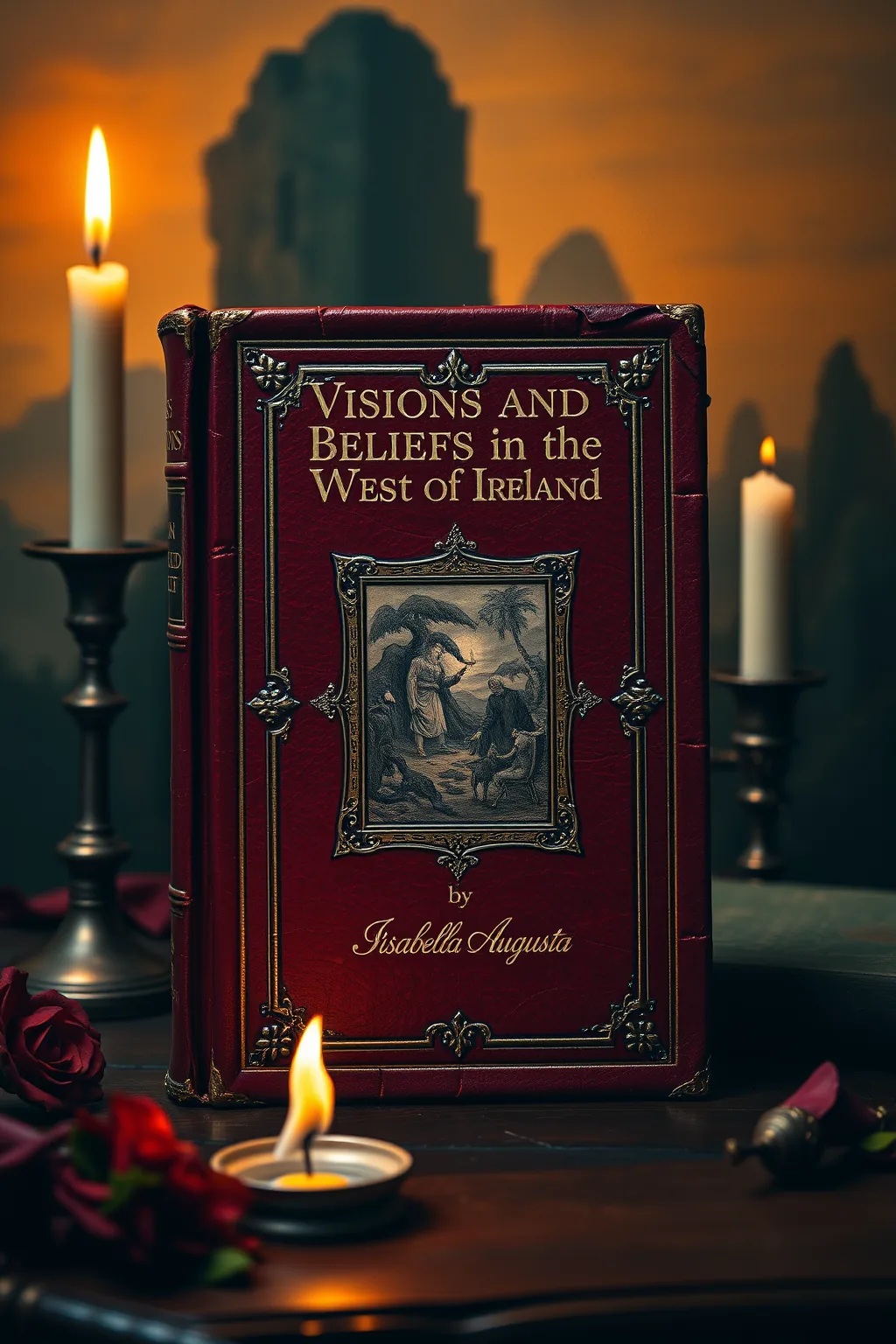
Visions and Beliefs in the West of Ireland
 79
79

Visions and Beliefs in the West of Ireland


Aurelia Blackwood (Occult Philosophy Critic) — Isabella Augusta's "Visions and Beliefs in the West of Ireland" is an unparalleled compendium of authentic folk magic and pre-Christian spiritual remnants. Lady Gregory masterfully captures the raw, untamed essence of Irish esoteric traditions, offering a window into a worldview where the supernatural is not an anomaly, but an integral part of existence. The collection is rich with accounts of fairy encounters, healing charms, and potent beliefs that resonate with deep archetypal power. For scholars of comparative mythology, folklorists, and practitioners seeking to connect with ancient earth wisdom, this book is an indispensable treasure. Its unvarnished accounts provide invaluable insights into the subconscious landscape of a people.
📝 Description
79
Isabella Augusta (Lady Gregory) collected supernatural tales and local superstitions in western Ireland.
In 1920, Isabella Augusta published "Visions and Beliefs in the West of Ireland." This book collects supernatural accounts and folk beliefs from the western regions of Ireland. Lady Gregory, a key figure in the Irish Literary Revival, carefully documented these stories, rituals, and superstitions. She aimed to preserve an oral tradition that was at risk of being lost. The narratives shared in the book reveal a worldview influenced by animism, beliefs about fairies, and a strong connection to the land.
The collection invites readers to examine the fundamental forces that impact human thought and the lasting strength of shared imagination. It touches upon a deep human desire for wonder and the unseen connections that exist alongside daily life. Readers will find accounts of spectral presences, both helpful and harmful spirits, and the sense of unity present in these vivid records of belief.
This work fits within traditions that study folk belief and the supernatural as expressions of deeper cultural and psychological realities. It documents a specific regional manifestation of what might be called the 'otherworld' or the 'sidhe' in Irish folklore. Such beliefs often concern the permeability of reality, the influence of unseen forces on daily life, and the power of collective imagination to shape perception. The collection serves as a record of how these elements were understood and experienced in a particular time and place, reflecting a worldview where the spiritual and material were closely intertwined.
✍️ Author
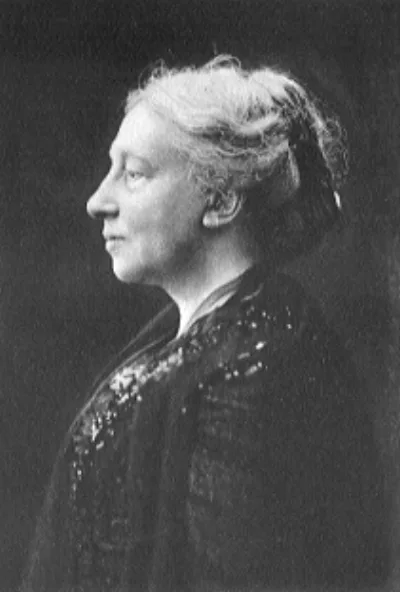
Isabella Augusta
Lady Gregory was an Anglo-Irish dramatist, folklorist, and theatre manager who co-founded the Irish Literary Theatre and the Abbey Theatre.
💡 Why Read This Book?
Immerse yourself in the vibrant, often eerie, tapestry of Irish folklore. "Visions and Beliefs" offers a direct connection to ancient oral traditions, revealing a worldview where the spiritual and the material are inextricably linked. Ideal for seekers of hidden knowledge, scholars of comparative mythology, and practitioners of earth-based spirituality eager to explore the enduring power of belief.
⭐ Reader Reviews
Honest opinions from readers who have explored this book.
❓ Frequently Asked Questions
What is the primary focus of "Visions and Beliefs in the West of Ireland"?
The book primarily focuses on collecting and preserving supernatural tales, folklore, and local beliefs from the rural communities of western Ireland, offering a glimpse into their unique spiritual worldview.
Who was Lady Gregory and what was her role?
Lady Isabella Augusta was a prominent figure in the Irish Literary Revival, known for her efforts to collect and promote Irish folklore and literature. She gathered these stories through direct conversations with villagers.
Does the book contain actual spells or rituals?
While not a grimoire, the book documents numerous beliefs and practices related to charms, healing, and interactions with the supernatural, offering insights into folk magic and spiritual traditions.
What is the significance of W.B. Yeats' annotations?
W.B. Yeats, a Nobel laureate and fellow luminary of the Irish Literary Revival, provided annotations that offer scholarly and poetic interpretations, deepening the reader's understanding of the collected tales and their symbolic weight.
Is this book suitable for beginners interested in Irish folklore?
Absolutely. Lady Gregory's accessible prose and the direct nature of the collected stories make it an excellent entry point for anyone fascinated by Irish mythology and the supernatural.
🔮 Key Themes & Symbolism
The Faerie Realm and Its Inhabitants
This theme looks at the pervasive belief in the 'Good People' or fairies, exploring their diverse forms, temperaments, and the complex relationship humans had with them. Lady Gregory meticulously documents encounters, superstitions surrounding fairy mounds, and the respect, often tinged with fear, accorded to these otherworldly beings. The narratives reveal a world where the faerie realm was not a distant myth but a palpable presence influencing daily life, fortune, and misfortune, highlighting a profound animistic understanding of the natural world.
The Power of the Spoken Word and Oral Tradition
Central to the book is the preservation of an oral tradition that was rapidly vanishing. Lady Gregory's work champions the power of storytelling as a vessel for cultural memory, spiritual understanding, and communal identity. The collected tales demonstrate how beliefs, wisdom, and history were passed down through generations via spoken narratives, emphasizing the sacredness of the word and the lasting impact of storytelling on shaping individual and collective consciousness in pre-modern Ireland.
Superstition, Omens, and the Unseen Forces
This theme explores the intricate web of superstitions, omens, and beliefs in unseen forces that governed life in the West of Ireland. From portents of death and good fortune to protective charms and cures, the book reveals a worldview deeply attuned to the subtle energies of the universe. It illustrates how these beliefs provided a framework for understanding the unpredictable nature of life, offering comfort, guidance, and a sense of agency in the face of mystery and the unknown.
💬 Memorable Quotes
Direct passages from the work, attributed to the author.
“The old ways of thinking are hard to kill.”
— Reflects the enduring power of deeply ingrained beliefs and folk traditions, even in the face of modernization, underscoring the resilience of ancient spiritual understandings.
“The fairies are said to be very particular about their honours.”
— Highlights the crucial role of respect and proper ritual in human interactions with the supernatural, emphasizing the delicate balance and potential consequences of perceived disrespect.
“You would not believe the things that you hear if you did not see them yourselves.”
— Speaks to the transformative power of direct experience and the challenge of conveying the ineffable, suggesting that the truths revealed in the book transcend mere hearsay.
“There is no harm in believing what is not true.”
— A pragmatic yet profound observation on the comforting and guiding nature of belief, even if its veracity is uncertain, highlighting the psychological and spiritual function of folklore.
💡 Key Ideas
Editorial paraphrase of the work's core concepts — not direct quotes.
There are more things in heaven and earth than are dreamt of in your philosophy.
This quote, often attributed to Shakespeare but echoing the sentiment of the book, suggests that reality is far more expansive and mysterious than conventional understanding allows, hinting at the hidden spiritual dimensions documented.
🌙 Esoteric Significance
Tradition
This work is deeply rooted in the indigenous, pre-Christian spiritual traditions of Ireland, often referred to as Celtic paganism or folk spirituality. It offers a window into a worldview that predates and coexists with later Christian influences, characterized by animism, a profound connection to the land, and a robust belief in the fae and other elemental spirits. The book serves as a vital repository of this often-unwritten esoteric lineage, providing invaluable primary source material for those studying Celtic shamanism, earth magic, and ancient European spiritual practices.
Symbolism
The book is rich with potent symbolism drawn from the natural world and the collective unconscious. Sacred sites like fairy mounds (sidhe), ancient trees, and wells are imbued with spiritual power and agency. Animals often serve as messengers or embodiments of spiritual forces. The recurring motif of the veil between worlds signifies the permeability of reality and the constant presence of the unseen. Light and darkness, water, and the cycle of seasons all carry deep symbolic meaning, reflecting ancient understandings of life, death, rebirth, and the interconnectedness of all existence.
Modern Relevance
In an age increasingly disconnected from nature and ancient wisdom, "Visions and Beliefs" offers a vital reminder of the enduring power of myth, symbolism, and the unseen. Its documentation of a worldview where the spiritual is interwoven with the everyday speaks to contemporary seekers exploring animism, earth-based spirituality, and eco-psychology. The book provides a valuable resource for understanding the psychological and cultural impact of folklore, and its themes of interconnectedness and respect for the natural world offer profound lessons for our present ecological and spiritual challenges.
👥 Who Should Read This Book
This collection is a rich source for a diverse audience. **Beginners** to esoteric studies will find an accessible and captivating introduction to the collection of Irish folklore and its underlying spiritual currents. **Scholars** of comparative mythology, anthropology, and religious studies will appreciate the invaluable primary source material and Lady Gregory's meticulous documentation. **Seekers** drawn to ancient wisdom, earth-based spirituality, and the magic of the natural world will find deep resonance and inspiration within these pages. **Practitioners** of folk magic and those interested in Celtic traditions will discover authentic accounts that can inform and enrich their understanding of ancestral spiritual practices.
📜 Historical Context
Published in 1920, "Visions and Beliefs in the West of Ireland" emerged during a key era for Irish identity and culture. The Irish Literary Revival was in full swing, fostering a resurgence of interest in national folklore, mythology, and history as a means of asserting a distinct cultural heritage separate from British influence. Lady Gregory, alongside figures like W.B. Yeats, played a central role in this movement by meticulously documenting and popularizing the oral traditions of the Irish people. The book captures a specific moment when these ancient beliefs, rooted in pre-Christian animism and folklore, were still vibrantly alive in rural communities but were also beginning to face the pressures of modernity and changing social landscapes. Its preservation of these narratives was an act of cultural reclamation, ensuring that these 'visions and beliefs' would not be lost to time.
📔 Journal Prompts
Reflect on a time you felt a connection to the 'unseen' or a sense of enchantment in nature. How did it affect your perception of reality?
Consider a local legend or folktale from your own culture. What does it reveal about the values and beliefs of that community?
Imagine you are walking through the West of Ireland. What kind of spirits or energies do you feel present? Describe your sensory experience.
Lady Gregory preserved oral traditions. How important is it to you to preserve or reconnect with the oral traditions of your own heritage?
Write a short story inspired by one of the beliefs or encounters described in the book. What message does your story convey?
🗂️ Glossary
Sidhe
In Irish folklore, the Sidhe (pronounced 'shee') are supernatural beings, often associated with fairy mounds or hills. They are believed to be a race of otherworldly people who inhabit the Otherworld, capable of interacting with mortals.
Fairy Fort
Ancient earthworks, often circular mounds or enclosures, believed to be dwellings or meeting places of the Sidhe. Disturbing a fairy fort was considered extremely unlucky and could bring misfortune.
Pishogue
A form of folk magic or spell, often used with the intention of causing harm or misfortune to someone. It involves incantations and symbolic actions.
Cure
In the context of the book, 'cure' refers not only to medical remedies but also to folk practices, charms, or rituals believed to alleviate ailments, ward off evil, or restore balance.
Otherworld
The supernatural realm in Celtic mythology, distinct from the mortal world. It is often depicted as a land of eternal youth, beauty, and abundance, but also a place of mystery and potential danger.
This book appears in 4 collections
🔮 Readers Also Liked
Browse all →







More by Isabella Augusta
All books →


From the “Transcendental Meditation” Collection
View all →








More Free Esoteric History & Biography Books
View all →