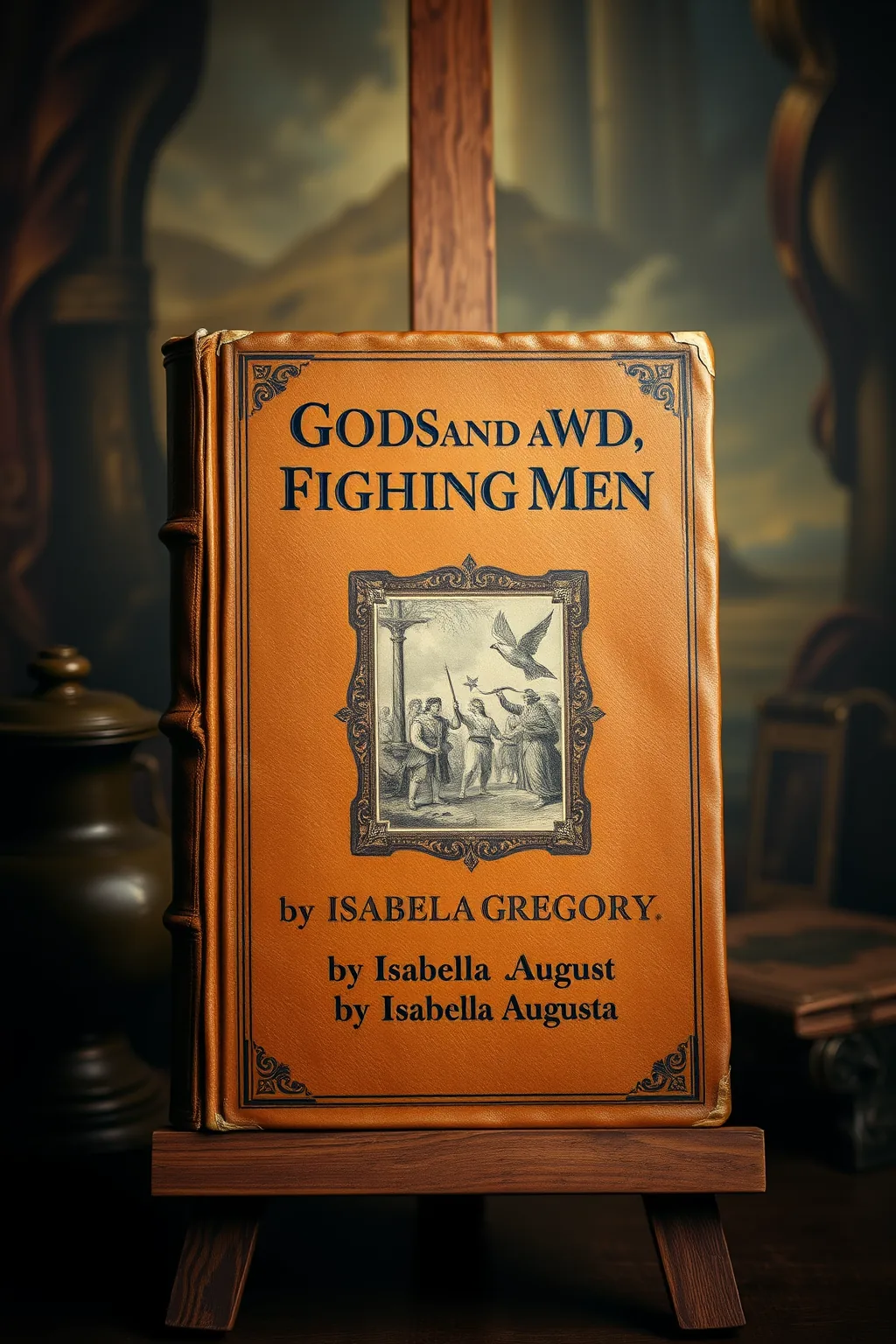
Gods and Fighting Men
 71
71

Gods and Fighting Men


Lady Gregory's 'Gods and Fighting Men' stands as a monumental achievement in the preservation and dissemination of Celtic myth. Cassian Rothmann, Senior Critic at Ancient Wisdom, notes its unparalleled ability to distill complex myth cycles into lucid, compelling narratives. This work is a treasure trove for those seeking esoteric insights into ancient European spiritual traditions. Gregory's deep respect for the source material, combined with her narrative skill, makes the extraordinary deeds of the Tuatha Dé Danann and the Fianna accessible without sacrificing their inherent mystery. It serves as an indispensable key for understanding the symbolic language and archetypal patterns that continue to influence Western esotericism. A must-read for serious students of mythology and occult history.
📝 Description
71
Lady Gregory published 'Gods and Fighting Men' in 1904, collecting Irish myths.
Lady Gregory's 'Gods and Fighting Men' collects ancient Irish myths, focusing on the Tuatha Dé Danann and their interactions with mortals. The book draws from fragmented lore and manuscripts, weaving them into coherent narratives of heroes, magic, and cosmic struggles. Gregory sought to present these stories in a way that captured their spiritual power and shaped the Irish national identity. The work details the lineage of legendary figures, the influence of magic on the land, and ancient battles that have cultural resonance.
This collection illuminates the philosophical foundations of Celtic belief, depicting a world where divine forces are active and fate interacts with human choice. It aims to connect readers with a worldview rich in ancient knowledge, elemental energies, and enduring human archetypes. The book offers insights into the sacred and the heroic aspects of Irish folklore, making the myths accessible to a broad audience interested in history and mythology.
Published in 1904, 'Gods and Fighting Men' emerged during a period of intense interest in Celtic revivalism and national identity. Lady Gregory's work tapped into a growing desire to understand and preserve Ireland's pre-Christian spiritual heritage. By compiling and retrenching these myths, she made them available to a wider audience, including those interested in occult and esoteric traditions that looked to ancient European mythologies for spiritual insight. The book's focus on divine beings, magical forces, and heroic archetypes aligns with esoteric interests in foundational world myths and their potential for understanding deeper spiritual realities.
✍️ Author
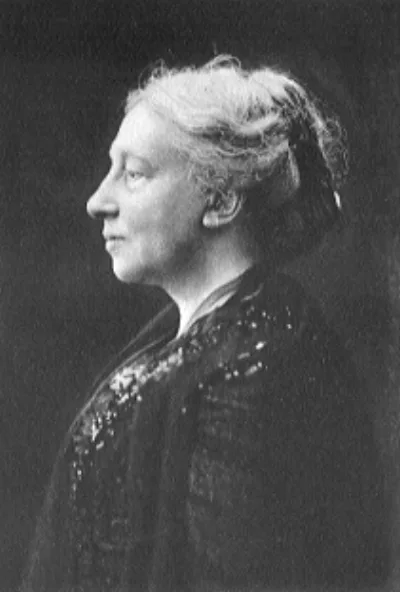
Isabella Augusta
Lady Gregory was an Anglo-Irish dramatist, folklorist, and theatre manager who co-founded the Irish Literary Theatre and the Abbey Theatre.
💡 Why Read This Book?
Embark on a profound exploration of Celtic spiritual heritage. 'Gods and Fighting Men' offers direct access to the source material of Ireland's most powerful myths, revealing a rich tapestry of divine beings, heroic quests, and ancient magic. Ideal for seekers of lost wisdom, scholars of esoteric traditions, and practitioners looking to connect with ancestral energies. This book is your gateway to understanding the foundational myths that shaped a culture and continue to resonate with primal power.
⭐ Reader Reviews
Honest opinions from readers who have explored this book.
❓ Frequently Asked Questions
What mythic cycles are covered in this book?
The book primarily focuses on the Ulster Cycle, detailing the exploits of heroes like Cú Chulainn, and the Fenian Cycle, featuring the legendary warriors of the Fianna, alongside tales of the Tuatha Dé Danann.
Is this book suitable for beginners interested in mythology?
Yes, Lady Gregory's accessible prose makes these complex myths understandable for newcomers, while still retaining their depth and wonder.
What is the historical significance of this collection?
Published in 1904, it was crucial in reviving interest in Irish mythology during a period of cultural resurgence, drawing from ancient manuscripts and oral traditions.
Does the book contain actual ancient texts?
No, it is a retelling and synthesis of existing ancient manuscripts and oral lore, presented in clear, narrative prose for a modern audience.
What esoteric traditions does this book connect with?
It offers insights into Celtic shamanism, nature veneration, and the ancient European concept of a spirit-infused world, relevant to modern pagan and esoteric studies.
🔮 Key Themes & Symbolism
The Ascendancy of the Tuatha Dé Danann
Examine the enigmatic field of the Tuatha Dé Danann, the divine race who ruled Ireland before the arrival of mortals. This theme explores their origins, their profound magical abilities, and their complex relationship with humanity. It highlights their role as archetypal forces, embodying creation, destruction, and the mystical undercurrents that shape the world. Their presence signifies a primordial age where the sacred was interwoven with the mundane, offering a glimpse into a spiritual cosmology far removed from contemporary understanding.
Heroism and the Warrior Archetype
Witness the birth of legendary heroes whose deeds echo through the ages. This theme examines the archetype of the warrior, their trials, their valor, and the sacrifices they make in defense of their people and ideals. It explores the concept of destiny, the influence of divine intervention on mortal lives, and the enduring quest for glory and meaning in the face of overwhelming odds. These figures embody the human struggle against chaos and the pursuit of excellence, serving as potent symbols of courage and resilience.
The Enchanted Landscape and its Spirits
Discover Ireland not merely as a physical place, but as a living, breathing entity imbued with potent spiritual energies. This theme illuminates the sacredness of nature, the presence of ancient spirits dwelling in hills, rivers, and forests, and the profound connection between the land and its people. It reveals a worldview where the veil between the seen and unseen is thin, and where magical occurrences are as natural as the turning of the seasons. This perspective underscores the importance of reverence for the natural world and its inherent mystical power.
💬 Memorable Quotes
Direct passages from the work, attributed to the author.
“Their spears were bright and their shields shone.”
— Evokes the imagery of powerful, divinely-empowered warriors, highlighting their formidable presence and the awe they inspired in both friend and foe.
“It was a time of great deeds and great sorrow.”
— Captures the dual nature of heroic sagas, where valor and triumph are often intertwined with profound loss and suffering.
“The land itself was a place of wonder.”
— Underscores the magical and sacred quality attributed to the Irish landscape within the mythology, suggesting a deep spiritual connection.
“And the heroes fought for the honor of their name.”
— Points to the central role of reputation, legacy, and personal honor as driving forces for the legendary figures within these myths.
💡 Key Ideas
Editorial paraphrase of the work's core concepts — not direct quotes.
The gods came from the north of the world.
This quote hints at the mythical origins of the Tuatha Dé Danann, suggesting a celestial or primordial source for their divine power and influence.
🌙 Esoteric Significance
Tradition
This work is a foundational text for understanding the esoteric dimensions of Celtic paganism and ancient European spirituality. It offers a portal into a worldview where the divine is immanent in nature, where ancestral spirits hold sway, and where the boundaries between the physical and spiritual realms are fluid. The tales reflect an animistic perspective and a deep reverence for the land, aligning with modern pagan practices that seek to reconnect with these ancient energies and archetypes.
Symbolism
The book is replete with potent symbols: the Tuatha Dé Danann represent the primal forces of creation and magic, the spear and shield are symbols of divine power and protection, and the enchanted landscapes signify the sacredness of the natural world. The cyclical nature of the myths themselves symbolizes the eternal dance of life, death, and rebirth, a core tenet of many esoteric traditions. These symbols provide a rich lexicon for understanding deeper spiritual truths.
Modern Relevance
In an era often characterized by disconnection from nature and spiritual roots, 'Gods and Fighting Men' offers a powerful antidote. It reminds us of the ancient wisdom embedded in myths, encouraging a re-evaluation of our relationship with the Earth and the unseen forces that govern existence. The archetypes of courage, sacrifice, and the quest for meaning remain profoundly relevant, providing guidance and inspiration for personal growth and spiritual exploration in the modern world.
👥 Who Should Read This Book
This seminal collection is essential for anyone drawn to the mystical currents of Western esotericism. **Beginners** will find Lady Gregory's accessible narrative a gentle yet profound introduction to the wide range of Celtic mythology. **Scholars** of folklore, comparative mythology, and ancient religions will appreciate its faithful rendering of source material and its contribution to the field. **Seekers** of ancestral wisdom and earth-based spirituality will discover a deep wellspring of inspiration and connection to ancient practices. **Practitioners** of modern paganism and magical traditions will find invaluable insights into the archetypes, symbols, and spiritual cosmology that underpin their craft.
📜 Historical Context
Published in 1904, 'Gods and Fighting Men' emerged during the height of the Celtic Revival, a period of intense cultural and artistic reawakening in Ireland. Lady Augusta Gregory, a key figure in this movement alongside W.B. Yeats, was deeply committed to preserving and promoting Ireland's rich literary and mythological heritage. At a time when Ireland was grappling with its identity under British rule, the revival of ancient tales served as a powerful assertion of national distinctiveness and a connection to a glorious, pre-colonial past. Gregory's work drew heavily from the collections of Eugene O'Curry and John O'Donovan, who had painstakingly transcribed and translated ancient Irish manuscripts. By tying these complex narratives into accessible prose, she made the profound spiritual and cultural legacy of Ireland available to a wider audience, fostering a sense of collective identity and pride.
📔 Journal Prompts
Reflect on a time you felt a profound connection to nature; how does this resonate with the descriptions of Ireland's enchanted landscapes?
Which hero's journey in the book most strongly appeals to your sense of destiny or purpose?
Consider the role of magic in these tales. How does it differ from or align with your understanding of magic today?
What does the concept of 'honor' mean to the heroes in these stories, and how does it compare to its meaning in contemporary society?
Imagine you encountered one of the Tuatha Dé Danann. What questions would you ask them about their world and wisdom?
🗂️ Glossary
Tuatha Dé Danann
A supernatural race of gods who were believed to have ruled Ireland before the arrival of the Milesians. They are associated with magic, ancient wisdom, and the Fae realm.
Fianna
A legendary band of warriors in Irish mythology, often depicted as protectors of Ireland, known for their martial prowess, poetic skills, and adherence to a code of honor.
Cú Chulainn
The greatest hero of the Ulster Cycle, renowned for his superhuman strength, fierce battle rages (ríastrad), and tragic destiny. He is a central figure in Irish mythology.
Milesians
The descendants of Míl Espáine, who according to myth, conquered Ireland and became the ancestors of the modern Irish people, displacing the Tuatha Dé Danann.
Sídhe
The supernatural beings in Irish folklore, often associated with the Tuatha Dé Danann, who inhabit mounds or hills (síd) and are believed to possess magical powers.
This book appears in 1 collection
🔮 Readers Also Liked
Browse all →









More by Isabella Augusta
All books →


From the “Transcendental Meditation” Collection
View all →





More Free Esoteric History & Biography Books
View all →