What are Visions?
Visions are sensory perceptions experienced in the absence of external stimuli, often interpreted as supernatural, divine, or psychological events. They can manifest as visual apparitions, auditory voices, or profound internal experiences. Across cultures and history, visions have been attributed to divine communication, spiritual awakening, or altered states of consciousness, influencing religious, artistic, and personal development.
Best Books for Complete Beginners
For those new to the study of visions, start with accessible introductions. 'Tea-Cup Reading and Fortune-Telling by Tea Leaves' by a Highland Seer offers a practical, albeit anecdotal, look at divination methods. 'Guide to Fortune-Telling by Dreams' by Anonymous provides straightforward guidance on interpreting dream imagery, a common form of visionary experience. 'The Story of Joan of Arc the Witch-Saint' by M. M. Mangasarian presents a historical figure whose visions were central to her narrative, examining them through a critical lens.
Intermediate Reading
Moving beyond basic introductions, examine more complex analyses. Helena Petrovna Blavatsky's 'Isis unveiled, Volume 2' explores ancient and modern theology, touching upon visionary states within occult traditions. Charles W. Leadbeater's 'The Astral Plane: Its Scenery, Inhabitants and Phenomena' details esoteric cosmology and non-physical realms, often accessed through visionary means. 'The religion of Plutarch' by John Oakesmith examines pagan creeds where visions played a role in spiritual understanding.
Classical / Advanced Texts
Serious students will find value in primary sources and detailed scholarly works. 'The suppressed Gospels and Epistles of the original New Testament of Jesus the Christ, Volume 6, Clement' by William Wake offers early Christian perspectives that may include visionary accounts. Edward Maitland's 'The Story of Anna Kingsford and Edward Maitland and of the new Gospel of Interpretation' examines a specific modern mystical movement. 'Matelda and the cloister of Hellfde' by Mechthild of Magdeburg presents medieval mystical experiences and visions.
Reading Order — Step by Step
Begin with practical guides like 'Guide to Fortune-Telling by Dreams' and 'Tea-Cup Reading and Fortune-Telling by Tea Leaves' in Weeks 1-2 to grasp common forms of divination. In Month 2, explore historical and comparative views with M. M. Mangasarian's 'The Story of Joan of Arc the Witch-Saint' and Andrew Lang's 'The Making of Religion'. Month 3 and beyond should focus on deeper theoretical texts such as H. P. Blavatsky's 'Isis unveiled, Volume 2' and C. W. Leadbeater's 'The Astral Plane'.
Frequently Asked Questions
Which book should I read first if I'm interested in visions?
For a beginner, 'Guide to Fortune-Telling by Dreams' offers an accessible entry point into understanding perceived visionary experiences through dream interpretation.
Are there books that discuss visions from a scientific perspective?
Théodore Flournoy's 'From India to the planet Mars' is a notable early psychological study of a case involving visionary phenomena, somnambulism, and glossolalia.
Where can I find texts on historical or religious visions?
Consider M. M. Mangasarian's 'The Story of Joan of Arc the Witch-Saint' for a historical figure or 'The suppressed Gospels and Epistles' for early Christian perspectives.
What are some key texts on esoteric or spiritual visions?
Helena Petrovna Blavatsky's 'Isis unveiled, Volume 2' and Charles W. Leadbeater's 'The Astral Plane' are significant works in Theosophy discussing such experiences.
Can I learn about divination methods related to visions?
Yes, 'Tea-Cup Reading and Fortune-Telling by Tea Leaves' and 'Telling fortunes by cards' offer insights into traditional divination practices.
Are there fictional works that explore the theme of visions?
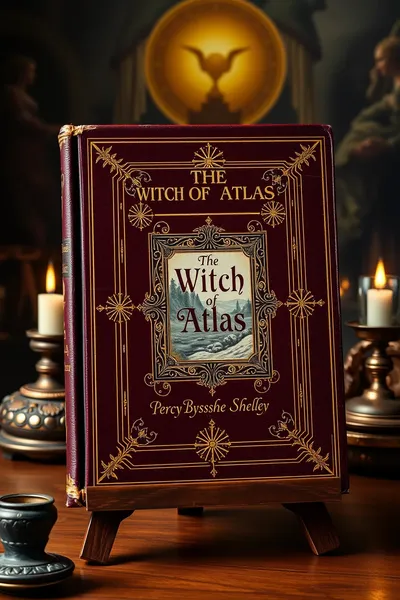
Robert W. Chambers' 'The Slayer of Souls' and Percy Bysshe Shelley's 'The Witch of Atlas' are literary examples that engage with visionary and supernatural themes.