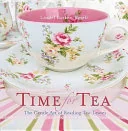
Time for Tea
 72
72

Time for Tea
Lindel Barker-Revell's "Time for Tea" offers a refreshing, grounded approach to an often-maligned divinatory art. The book's strength lies in its practicality; it doesn't just present symbols but instructs on the entire ritual, from selecting a suitable teapot to the very act of drinking. I particularly appreciated the section detailing how to create a celebratory afternoon tea to share one's newfound talents, transforming a solitary practice into a communal experience. However, the work could benefit from a more robust historical account. While it mentions the practice's centuries-old roots, a deeper dive into its evolution, perhaps touching upon figures like Madame Blavatsky's engagement with various forms of divination, would add scholarly weight. Despite this, "Time for Tea" successfully demystifies tasseography, making it accessible and enjoyable for the contemporary seeker.
📝 Description
72
Lindel Barker-Revell's 'Time for Tea' teaches tasseography, the art of reading tea leaves.
This book guides readers through tasseography, the practice of interpreting the patterns left by tea leaves in a cup. It covers the history of this divination method, the necessary tools, and techniques for reading the residue. The approach is gentle and accessible, making it suitable for beginners in divination or for those seeking a quiet, reflective practice.
'Time for Tea' appeals to anyone interested in intuitive arts, self-understanding, or the long tradition of divination. It is particularly aimed at women of any age who wish to develop a personal ritual that connects them to older ways of seeking answers to life's questions. The book also finds pleasure in the social aspect of tea rituals, celebrating the afternoon tea tradition.
The book details practical aspects of tasseography, such as choosing the right teacups, teapots, and teas that yield interpretable leaf patterns. It explains the process of brewing, drinking, and then observing the patterns that form. The work also discusses the symbolic meanings of various shapes and symbols, encouraging personal interpretation within a defined system.
Tasseography, the art of reading tea leaves, has a history dating back to the 17th century. It emerged with the spread of tea culture in Europe, initially as a social practice often associated with women's gatherings. While sometimes dismissed as folk magic, it developed a more dedicated following during the Victorian era and into the early 20th century. This book aims to make that tradition accessible to contemporary practitioners interested in divination and intuitive interpretation.
💡 Why Read This Book?
• Learn the specific techniques for brewing tea and observing leaf patterns, as outlined in the chapters on 'which teacups, teapots and teas to use,' providing a hands-on skill for personal insight. • Understand the historical lineage of tasseography, appreciating its place in women's spiritual practices since the 17th century, offering a connection to enduring traditions. • Discover how to integrate tea-leaf reading into social gatherings by creating a celebratory afternoon tea, fostering connection and shared intuitive exploration.
⭐ Reader Reviews
Honest opinions from readers who have explored this book.
❓ Frequently Asked Questions
What types of tea are best for reading tea leaves in "Time for Tea"?
The book recommends loose-leaf teas, particularly those with larger, less finely cut leaves. Black teas like Darjeeling or Earl Grey are often suggested as they leave clearer patterns compared to very fine-ground teas or tea bags.
Does "Time for Tea" explain specific symbols found in tea leaves?
Yes, the book provides guidance on interpreting common shapes and symbols formed by tea leaves. It encourages readers to develop their own symbolic language alongside established interpretations.
When was "Time for Tea" first published?
The original publication date for Lindel Barker-Revell's "Time for Tea" was May 28, 2014, making it a contemporary guide to an ancient practice.
Is "Time for Tea" suitable for beginners in divination?
Absolutely. The author emphasizes a gentle, accessible approach, making it ideal for individuals new to tea-leaf reading or divination in general. It focuses on building confidence with essentials.
What is the historical significance of tea-leaf reading mentioned in the book?
The book touches upon the practice's centuries-old tradition, noting its prevalence among women and its association with social rituals, particularly from the 17th century onwards.
Can I use any teacup for tea leaf reading according to "Time for Tea"?
While the book discusses ideal teacups, it suggests that rounded cups with smooth interiors are generally best for allowing patterns to form and be easily observed. Avoid cups with sharp angles or overly intricate designs.
🔮 Key Themes & Symbolism
The Ritual of Tasseography
This theme centers on the methodical process of tea-leaf reading as a contemplative practice. It covers the selection of tools – specifically mentioning teacups and teapots – and the types of tea that best facilitate clear readings. The book details the steps from brewing to observing the patterns left behind, framing it not merely as a fortune-telling technique but as a gentle art form for self-reflection and insight. The emphasis is on the tactile and sensory experience, connecting the reader to the present moment through the act of preparing and consuming tea.
Symbolic Interpretation
Central to "Time for Tea" is the exploration of the symbolic language revealed in the tea leaves. The book guides readers in understanding how shapes, figures, and patterns formed by the residue can be interpreted to offer insights. It bridges the gap between ancient divinatory traditions and personal intuition, encouraging readers to develop their own vocabulary of symbols while providing foundational knowledge. This theme underscores the idea that the patterns are not arbitrary but hold meaning relevant to the querent's life.
Community and Celebration
Beyond individual divination, the book highlights the social aspect of tea-leaf reading. It suggests creating the perfect afternoon tea as a way to celebrate newfound talents or share insights with loved ones. This theme transforms tasseography from a solitary pursuit into an activity that fosters connection and shared experience. By tying the practice into the ritual of afternoon tea, the book encourages readers to integrate intuitive arts into their social lives, making it a joyful and communal endeavor.
💬 Memorable Quotes
Direct passages from the work, attributed to the author.
“Discover the pure joy of reading tea-leaves, and which teacups, teapots and teas to use.”
— This foundational statement captures the book's accessible and encouraging tone. It frames tasseography not as a daunting mystical art, but as a source of simple pleasure, emphasizing the practical aspects of selecting the right tools and materials for an enjoyable experience.
“Learn how to create the perfect afternoon tea to celebrate your new talents with those you love.”
— This highlights the book's focus on communal practice and joyful application of learned skills. It suggests that mastering tea-leaf reading can lead to shared celebrations, turning a personal divination practice into an opportunity for connection and expression within a social setting.
💡 Key Ideas
Editorial paraphrase of the work's core concepts — not direct quotes.
Women of all ages have practised this gentle art for centuries...
This contextualizes tasseography within a long historical tradition, particularly emphasizing its practice among women. It positions the book as a continuation of this lineage, inviting contemporary readers to engage with a practice that has been passed down through generations.
...once you have grasped the essentials, you will be pleasantly surprised by how much you can see.
This quote directly addresses potential readers, assuring them of the practice's learnability and rewarding nature. It suggests that upon understanding the basic principles, a new capacity for perception and insight will emerge, encouraging perseverance.
🌙 Esoteric Significance
Tradition
Tasseography, as presented in "Time for Tea," aligns with the broader tradition of sympathetic magic and divination found within folk esoteric practices. While not strictly Hermetic or Kabbalistic, it shares the underlying principle of 'as above, so below,' where patterns in the mundane world (tea leaves) are seen to reflect deeper truths or future possibilities. It represents a lineage of intuitive, earth-based practices often passed down through informal channels, particularly among women, focusing on accessible means of seeking guidance.
Symbolism
Key symbols in tasseography include common objects, animals, and abstract shapes. For instance, a bird might symbolize news or messages, while a circle could represent completion or unity. The book implicitly encourages readers to develop personal associations with these forms, akin to dream interpretation. The act of forming these patterns within the teacup itself is also symbolic, representing the containment and eventual revelation of insights from the subconscious or external forces.
Modern Relevance
Contemporary interest in mindfulness, self-care, and intuitive development makes "Time for Tea" highly relevant. Practices like tasseography are being re-examined not just as fortune-telling tools but as methods for enhancing self-awareness and creativity. Thinkers and practitioners in fields ranging from modern witchcraft to Jungian psychology, which explores archetypal symbolism, find value in these accessible forms of symbolic interpretation and ritualistic practice.
👥 Who Should Read This Book
• Individuals curious about divination seeking an accessible entry point, as the book offers clear instructions on the essentials of tea-leaf reading. • Those interested in historical women's practices and folk magic, connecting with a tradition that has been a gentle art for centuries. • Hosts or participants in social gatherings looking for a unique, engaging activity that blends ritual, conversation, and intuitive exploration.
📜 Historical Context
Lindel Barker-Revell's "Time for Tea" emerges within a contemporary revival of interest in esoteric practices, drawing on traditions that gained traction in Europe from the 17th century onwards. The popularization of tea itself, a commodity that transformed social customs, laid the groundwork for tasseography. While often relegated to folk practice or dismissed by mainstream academia, divination techniques like tea-leaf reading were explored by various spiritualist and occult circles throughout the Victorian era and into the early 20th century. Contemporaries like Arthur Machen, though primarily a fiction writer, engaged with themes of hidden knowledge and ancient lore that resonated with the era's fascination for the mystical. "Time for Tea" positions itself as a modern conduit to this enduring practice, distinct from more complex divinatory systems like Tarot or the Kabbalah, offering a simpler, more accessible entry point.
📔 Journal Prompts
The symbolism of the tea leaves remaining in your cup after drinking.
Your personal association with the shapes and figures observed in the tea residue.
The experience of creating an afternoon tea ritual for sharing insights.
How the choice of teacup influences the visual reading.
The connection between the taste of the tea and the message received.
🗂️ Glossary
Tasseography
The art or practice of divining the future or reading character by interpreting the patterns of tea leaves in a cup.
Divination
The practice of seeking knowledge of the future or the unknown by supernatural means.
Loose-leaf tea
Tea that is not in a tea bag, typically consisting of whole or broken tea leaves, preferred for tasseography due to clearer patterns.
Patterns
The shapes, figures, and symbols formed by the residual tea leaves adhering to the inside of the teacup.
Gentle art
A term used to describe tasseography, emphasizing its non-intrusive, contemplative, and aesthetically pleasing nature.
Afternoon tea
A light meal typically eaten between 3 and 4 p.m., often incorporating the ritual of tea drinking and associated social customs.
This book appears in 1 collection
🔮 Readers Also Liked
Browse all →








From the “Tea Leaf Reading” Collection
View all →




More Free Occult Philosophy Books
View all →