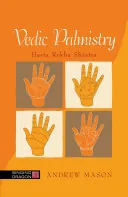
Tea Leaf Reading
 79
79

Tea Leaf Reading
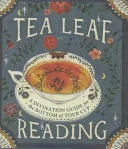
Dennis Fairchild’s "Tea Leaf Reading" offers a refreshingly direct approach to a practice often shrouded in mystique. The Miniature Edition format is genuinely useful, making the information portable and the instructions for selecting utensils and dividing the cup particularly clear. My only reservation is that the brevity, while a strength for accessibility, sometimes leaves the symbolic interpretations feeling a touch superficial. For instance, the explanation of the snake symbol feels somewhat condensed. However, the inclusion of an in-depth glossary is a significant asset. Fairchild manages to present tasseography without unnecessary embellishment, focusing on actionable guidance. It’s a solid, no-frills introduction for anyone wanting to try reading their own future in a teacup.
📝 Description
79
Dennis Fairchild's 2023 guide demystifies tasseography for the modern practitioner.
This compact volume offers a practical entry into tea leaf reading, a practice known as tasseography. Fairchild breaks down the process into clear, actionable steps, covering everything from selecting the right tea and cup to the art of interpreting the patterns left behind. The book is written with beginners in mind, presenting straightforward instructions and a helpful reference for common symbols.
It is intended for anyone curious about divination, especially those drawn to accessible, home-based methods. Readers who appreciate the Esoteric Library's "Miniature Edition" series will find this a suitable addition. The author aims to equip readers with a unique tool for personal insight derived from everyday rituals.
Fairchild explains the core principles of reading tea leaves. This includes the ritual of preparing and drinking the tea, followed by the method of swirling the cup to gather the leaves for interpretation. The book balances the importance of intuition with a structured system, including a glossary of symbols and explanations of techniques like 'the cup dividing' and 'reading the bottom'.
Tea leaf reading, or tasseography, has a long history, with roots often traced to ancient China and later popular in 18th-century Europe. Its practice saw a significant rise during the Victorian era, coinciding with a wider interest in spiritualism and occult studies. Fairchild's work connects to this tradition, offering a contemporary approach to a practice that developed alongside movements like Theosophy and its interest in esoteric knowledge.
💡 Why Read This Book?
• Learn specific techniques for preparing tea and swirling the cup, as detailed in the chapter on 'Dividing Your Cup', allowing for a practical, hands-on introduction to tasseography. • Gain familiarity with a curated glossary of over 50 common tea leaf symbols, providing concrete interpretations that go beyond generic fortune-telling advice. • Understand the historical lineage of tea leaf reading, appreciating its place within esoteric practices since at least the 18th century, offering context for its enduring appeal.
⭐ Reader Reviews
Honest opinions from readers who have explored this book.
❓ Frequently Asked Questions
What type of tea is best for tea leaf reading?
The book recommends using loose-leaf tea, ideally with smaller leaf particles that adhere well to the cup. Black teas like Assam or Ceylon are often favored for their robustness and the distinct patterns they leave behind.
Does the author Dennis Fairchild provide historical context for tea leaf reading?
Yes, Fairchild situates tea leaf reading within its historical trajectory, noting its prevalence during the Victorian era and its connections to broader spiritualist movements of the time.
How does this book help beginners with symbol interpretation?
The guide includes an in-depth glossary of symbols, explaining the potential meanings of shapes and figures found in the tea leaves, making interpretation more structured for novices.
What are the essential tools mentioned for tea leaf reading?
Fairchild details the importance of a suitable teacup, often one with a wider mouth and lighter interior color for better visibility, and the correct type of loose-leaf tea.
Is this book suitable for experienced practitioners of divination?
While primarily aimed at beginners, experienced practitioners might find the specific glossary and the 'Miniature Edition' format a useful quick reference or companion to more extensive texts.
What does the 'dividing your cup' technique involve?
This method, explained in the book, refers to mentally dividing the cup into sections (e.g., past, present, future, or different aspects of life) to contextualize the symbols' positions.
🔮 Key Themes & Symbolism
The Art of Tasseography
This theme explores the practice of tasseography, or tea leaf reading, as a method of divination. Fairchild emphasizes its accessibility, detailing the specific steps involved, from selecting the right tea and cup to the ritual of drinking and interpreting the residue. The work presents this ancient art not as arcane magic, but as a practical skill that can be learned and applied using everyday objects, encouraging a connection with intuitive perception through a familiar ritual.
Symbolic Language of Leaves
Central to the book is the interpretation of symbols formed by the tea leaves. Fairchild provides a comprehensive glossary, assigning meanings to various shapes, figures, and patterns that appear in the bottom of the teacup. This theme highlights how abstract forms can translate into insights about one's life, relationships, and future, offering a visual vocabulary for self-reflection and foresight.
Ritual and Intuition
The book underscores the importance of ritual in tea leaf reading. The act of preparing and consuming the tea is presented as a mindful practice that prepares the reader to receive intuitive guidance. Fairchild suggests that the focused attention required during the reading process enhances one's connection to subtle energies and inner knowing, transforming a simple beverage into a tool for personal discovery.
Accessible Esotericism
Fairchild's work champions the idea that esoteric knowledge need not be complex or inaccessible. By focusing on a common practice like tea drinking and presenting it through a structured, easy-to-follow guide, the book democratizes a form of divination. This theme positions tea leaf reading as an entry point into broader metaphysical exploration, suitable for anyone seeking personal growth through unconventional means.
💬 Memorable Quotes
Direct passages from the work, attributed to the author.
“Every aspect is made easy, with instructions for picking out the correct utensils, dividing your cup, and even an in-depth glossary of symbols.”
— This highlights the practical, step-by-step methodology Fairchild employs, emphasizing clarity and comprehensiveness in teaching the fundamentals of tea leaf interpretation.
“This Miniature Edition is perfect for finding all the secrets at the bottom of your teacup.”
— The quote emphasizes the compact nature of the publication and its promise to reveal hidden knowledge and insights through the simple act of reading tea leaves.
“A focus on practical application ensures that readers can immediately begin practicing the art.”
— This interpretation stresses the actionable nature of the guide, suggesting that it provides direct instructions for immediate engagement with tea leaf reading.
💡 Key Ideas
Editorial paraphrase of the work's core concepts — not direct quotes.
Read your future in tea leaves with this miniature guide to the ancient art of tea leaf reading.
This quote captures the book's primary objective: to clarify tasseography and present it as an achievable skill for the modern reader interested in divination.
The work explores how common shapes and patterns can be interpreted to offer guidance.
This paraphrased concept points to the core function of the book: translating the visual language of tea leaves into meaningful personal insights.
🌙 Esoteric Significance
Tradition
Tasseography, as presented in Fairchild's work, aligns with the broader tradition of divination within Western Esotericism, particularly its folk magic and practical occult branches. While not directly tied to specific complex systems like Kabbalah or Hermeticism, it shares the underlying principle of seeking hidden knowledge and guidance through symbolic interpretation. Its roots are often linked to ancient practices, but its popularization in Europe, particularly from the 18th century onwards, places it within a lineage of accessible divinatory arts that flourished alongside mediums and psychics.
Symbolism
Key symbols discussed often include animals like snakes (representing transformation or hidden enemies), birds (messages or journeys), and natural elements like trees (growth or stability) and mountains (obstacles or aspirations). The interpretation of these forms, whether clear or ambiguous, draws on archetypal meanings, connecting the mundane patterns of tea leaves to broader psychological and spiritual themes, mirroring symbolic interpretation found in other esoteric practices like astrology or tarot.
Modern Relevance
In contemporary practice, tea leaf reading continues to be employed by those interested in intuitive development and accessible divination, often alongside other practices like oracle cards or basic astrology. Modern practitioners may draw inspiration from Fairchild's guide for its clear structure and symbol glossary. It finds relevance in wellness communities seeking mindful rituals and in individuals exploring personal growth through alternative means, bridging the gap between everyday activities and esoteric inquiry.
👥 Who Should Read This Book
• Individuals new to divination seeking a straightforward, low-barrier-to-entry practice, as the book provides clear instructions on tools and interpretation. • Enthusiasts of esoteric history and comparative religion interested in understanding folk magic traditions and their evolution since the Victorian era. • Those looking for a unique, contemplative ritual to incorporate into their daily lives, offering a method for self-reflection using readily available materials.
📜 Historical Context
Tea leaf reading, or tasseography, experienced a significant surge in popularity during the 19th century, aligning with the spiritualist movement and a broader Victorian fascination with the occult and divination. This era saw numerous guides and manuals emerge, catering to a public eager to explore methods beyond traditional religious frameworks. Works like this echo the accessible, practical approach favored by authors like Jean-Baptiste Alliot, who published on cartomancy. While competing with more complex systems like the Hermetic Order of the Golden Dawn's ceremonial magic, simpler forms of divination like tasseography offered an immediate and personal connection to the unseen. Fairchild’s 2015 publication taps into this historical current, repackaging a traditional practice for a contemporary audience, suggesting its enduring appeal as a relatively straightforward esoteric pursuit.
📔 Journal Prompts
Reflect on the symbol of the 'snake' and its potential meaning in your current life situation.
Consider the 'cup dividing' technique and how you might apply it to a specific dilemma.
Analyze the role of ritual preparation in your approach to divination practices.
Explore the historical context of tea leaf reading during the 19th century.
Document the symbols observed after reading your own cup of tea.
🗂️ Glossary
Tasseography
The practice of interpreting patterns formed by tea leaves, coffee grounds, or wine sediment in a cup to gain insight or foretell the future.
Loose-leaf tea
Tea that is not in pre-portioned tea bags, consisting of whole or broken tea leaves, often preferred for tasseography due to the distinct patterns they form.
Divination
The practice of seeking knowledge of the future or the unknown by supernatural means.
Symbol interpretation
The process of assigning meaning to abstract shapes, figures, or patterns observed in tea leaves, based on traditional associations or personal intuition.
Cup dividing
A method where the reader mentally divides the teacup into sections (e.g., past, present, future) to contextualize the position and meaning of the tea leaf symbols.
Handle area
The section of the teacup near the handle, often interpreted as representing the querent or aspects directly related to them.
Rim
The top edge of the teacup, typically associated with immediate concerns or the near future.
This book appears in 1 collection
🔮 Readers Also Liked
Browse all →








From the “Tea Leaf Reading” Collection
View all →





More Free Occult Philosophy Books
View all →