All About Tea Leaf Reading
 83
83

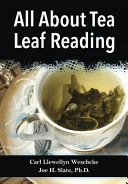
All About Tea Leaf Reading
Carl Llewellyn Weschcke and Joe H. Slate's "All About Tea Leaf Reading" offers a surprisingly grounded approach to a practice often shrouded in mysticism. Its primary strength lies in its clarity; the authors demystify tasseography, presenting it as an accessible skill rather than an arcane gift. The book avoids overly complex jargon, making the act of reading leaves feel achievable for the average person who enjoys a daily cuppa. However, the text sometimes leans towards oversimplification, particularly when assigning definitive meanings to symbols. For instance, the interpretation of a 'snake' symbol, while presented, might benefit from more nuance regarding its varied cultural associations. Despite this, the work provides a solid foundation for understanding the mechanics of tea leaf reading, encouraging intuitive interpretation alongside learned symbolism. It serves as a competent introductory manual for those seeking a practical entry into this ancient divination method.
📝 Description
83
Published by Carl Llewellyn Weschcke and Joe H. Slate, this book details tasseography as a practical divination tool.
This guide explains tea leaf reading, or tasseography, as a method for gaining insight into future events and personal questions. The authors present the practice as more than simple fortune-telling; it is a way to awaken one's own psychic awareness. The book breaks down the process into clear, actionable steps, making it accessible for newcomers to divination and those interested in esoteric practices. Readers will find guidance on how to approach the ritual of tea drinking with an intent to understand the messages left by the leaves.
It is written for anyone curious about divination through the common ritual of drinking tea. The book serves those looking for an easy entry into psychic development and self inquiry. For individuals who find comfort or structure in their daily tea consumption, this text offers a path to deeper personal meaning. The authors aim to empower readers by showing them how to find guidance within a practice observed for many generations, suitable for beginners and those drawn to approachable esoteric subjects.
Tea leaf reading, or tasseography, has a history stretching back centuries, with practices evolving across various cultures. Its popularity grew in Europe during the 17th and 18th centuries, coinciding with increased tea trade. This book acknowledges that historical lineage, positioning tasseography as a long established method for seeking knowledge. It connects to older traditions of scrying and omen interpretation that predate contemporary esoteric movements, offering a tangible way to engage with these ancient practices.
💡 Why Read This Book?
• Learn to interpret the symbolic language of tea leaves, transforming your daily tea ritual into a source of personal guidance, as detailed in the book's exploration of common symbols. • Develop your intuitive psychic abilities by engaging with the practice of tasseography, a method that Weschcke and Slate present as a means of self-discovery. • Gain historical perspective on tea leaf reading, understanding its roots and evolution as a divination practice, as touched upon in the book's historical context.
⭐ Reader Reviews
Honest opinions from readers who have explored this book.
❓ Frequently Asked Questions
What is the origin of tea leaf reading?
Tea leaf reading, or tasseography, has roots stretching back centuries, with its popularity growing in Europe during the 17th and 18th centuries due to increased tea trade, though its precise origins are debated.
Can anyone learn to read tea leaves?
Yes, "All About Tea Leaf Reading" presents the practice as accessible to anyone, emphasizing that it's a skill that can be learned through observation and interpretation of symbols.
What types of tea are best for reading leaves?
Loose-leaf teas, particularly those with smaller, broken leaves like black tea, are generally recommended as they leave more discernible patterns compared to large-leaf or bagged teas.
How long does a tea leaf reading session typically take?
A session usually involves drinking the tea, swirling the cup, and then interpreting the leaves, which can take anywhere from 10 to 20 minutes depending on the reader's focus and the complexity of the symbols.
Are there common symbols in tea leaf reading?
Yes, the book likely covers numerous common symbols, such as animals, objects, and abstract shapes, each carrying potential meanings related to the querent's life circumstances.
Does this book explain how to interpret symbols?
Yes, "All About Tea Leaf Reading" guides readers through the process of identifying and interpreting the patterns and symbols left by the tea leaves.
🔮 Key Themes & Symbolism
Tasseography as Divination
The book explores tea leaf reading as a potent form of divination, asserting that the residue left in a teacup can offer guidance and answers to life's questions. It frames this practice as a direct channel to understanding one's path, moving beyond mere fortune-telling to a method of receiving subtle messages. The focus is on translating the random patterns of leaves into meaningful symbols that reflect the querent's present circumstances and potential future.
Enhancing Psychic Abilities
A central theme is the potential for tea leaf reading to awaken and strengthen innate psychic abilities. The practice is presented not as an external artifice but as an internal development tool. By engaging with the symbols and intuitive interpretations, readers are encouraged to connect with their subconscious and develop their perceptive faculties. This aspect positions tasseography as a pathway to greater self-awareness and spiritual sensitivity.
Symbolic Interpretation
The core of the practice lies in the interpretation of symbols formed by the tea leaves. The book likely provides a lexicon of common symbols and their associated meanings, covering a range of imagery from animals to abstract shapes. Understanding this symbolic language is key to unlocking the messages within the cup, requiring both learned knowledge and intuitive understanding from the reader.
Accessible Esoteric Practice
This work champions an accessible form of esoteric practice, demonstrating that profound divination can be achieved through everyday activities like drinking tea. It clarifies complex occult concepts, making them available to a broad audience. The emphasis is on practicality and ease of entry, suggesting that spiritual insights are not limited to arduous study but can be found in simple, mindful engagement with the world.
💬 Memorable Quotes
Direct passages from the work, attributed to the author.
“It’s also a great way to open up your natural psychic abilities.”
— This highlights the self-development aspect of tea leaf reading. The book suggests that engaging with this practice can serve as a catalyst for expanding one's inherent intuitive and psychic capacities, fostering personal growth.
“It’s easy with this helpful guide.”
— This phrase emphasizes the book's intention to make tea leaf reading accessible. It promises a straightforward learning process, assuring readers that the practice is not overly complicated or reserved for a select few.
“Practiced throughout the centuries, tea leaf reading is essentially finding patterns in the wet tea leaves in your cup and interpreting them as meaningful symbols.”
— This defines the practice by its historical longevity and its fundamental mechanism: pattern recognition and symbolic interpretation. It grounds the esoteric practice in a tangible, observable process.
“Your daily cup of tea... can provide guidance and reveal answers to all your life questions.”
— This statement underscores the practical utility of tasseography as presented in the book. It suggests that the insights gained are directly applicable to navigating personal challenges and seeking clarity.
💡 Key Ideas
Editorial paraphrase of the work's core concepts — not direct quotes.
Your daily cup of tea is much more than a soothing beverage—it’s a powerful form of divination.
This quote expresses the book's core premise: elevating a common ritual into a profound tool for insight. It suggests that the act of drinking tea, when approached with intention, can unlock deeper wisdom and foresight.
🌙 Esoteric Significance
Tradition
This work fits within the broader tradition of divination practices that seek to interpret natural signs and symbols for insight. While not explicitly tied to a specific lineage like Hermeticism or Kabbalah, it shares common ground with scrying and augury. It represents a folk magic approach, embedding esoteric principles within everyday activities, making spiritual insight accessible through common rituals like tea drinking.
Symbolism
Key symbols likely explored include common objects and creatures found in nature, such as birds (messages), animals (instincts, specific qualities), and natural formations (obstacles, growth). These are interpreted not just literally, but as representations of inner states or external influences, drawing on a universal archetypal language that connects the personal to the symbolic.
Modern Relevance
Contemporary practitioners of mindfulness, intuitive development, and accessible spirituality often draw on practices like tea leaf reading. Its appeal lies in its simplicity and its ability to integrate divination into daily life, aligning with modern desires for practical tools for self-discovery and stress reduction, often shared and discussed in online forums and wellness blogs.
👥 Who Should Read This Book
• Individuals new to divination seeking a gentle, practical entry point, as the book breaks down the process of tasseography into understandable steps. • Those interested in developing their intuition and psychic awareness through accessible, everyday practices, learning how to interpret symbols found in their teacup. • Enthusiasts of folk magic and domestic spirituality looking for methods to find meaning and guidance in common rituals, connecting with a practice observed for centuries.
📜 Historical Context
First published in 2012, "All About Tea Leaf Reading" emerged in an era of resurgent interest in divination and esoteric practices, often fueled by online communities and a desire for personal meaning outside traditional structures. While not directly engaging with specific academic debates, the book taps into a long lineage of scrying and symbolic interpretation that predates the more formal occult revivals of the late 19th and early 20th centuries, such as Theosophy. Unlike the complex systems developed by figures like Aleister Crowley or the Hermetic Order of the Golden Dawn, Weschcke and Slate's work focuses on an accessible, domestic form of divination. Its reception would likely have been within popular occult and self-help circles, contrasting with the more scholarly or ritualistic approaches found in earlier esoteric literature.
📔 Journal Prompts
The patterns left by tea leaves, such as a clear 'path' symbol, and their potential meaning for your current direction.
Interpreting the symbol of a 'key' in your teacup and what it might unlock in your life.
Reflecting on the symbolic association of a 'tree' appearing in your tea leaves.
The role of intuition versus learned symbol meanings when reading your own tea leaves.
Your personal feelings evoked by the specific symbols observed in your tea cup today.
🗂️ Glossary
Tasseography
The practice of reading fortunes or divining insights from the patterns of tea leaves, coffee grounds, or wine sediments left in a cup.
Divination
The practice of seeking knowledge of the future or the unknown by supernatural means; a method of gaining insight into questions or situations.
Symbolism
The use of symbols to represent ideas or qualities; in tasseography, the interpretation of shapes and figures formed by tea leaves.
Querent
The person for whom a divination reading is performed; the individual seeking answers or guidance.
Intuition
The ability to understand something immediately, without the need for conscious reasoning; a key element in interpreting symbolic patterns in tasseography.
Loose-leaf tea
Tea that is not in tea bags, typically consisting of whole or broken tea leaves, often preferred for tasseography due to clearer pattern formation.
Pattern Recognition
The cognitive process of identifying recurring regularities or structures within data, fundamental to interpreting the random arrangements of tea leaves.
This book appears in 1 collection
🔮 Readers Also Liked
Browse all →








From the “Tea Leaf Reading” Collection
View all →




More Free Occult Philosophy Books
View all →