The demi-gods
 79
79

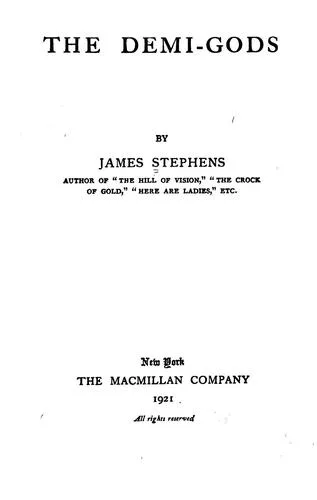
The demi-gods
James Stephens' "The demi-gods" attempts a scholarly exploration of intermediary divine figures, a topic ripe for nuanced discussion. The book's strength lies in its systematic cataloging of various mythic traditions and their respective demi-god archetypes. However, the prose occasionally becomes dense, obscuring the very clarity it aims for. A particular passage discussing the Ophites' interpretation of the serpent as a demiurgic intermediary is both fascinating and a prime example of the text's potential for deep dives, though it requires significant reader effort to fully unpack. While ambitious, "The demi-gods" offers a valuable, albeit challenging, resource for the dedicated student of esoteric lore.
📝 Description
79
James Stephens's 2017 book, "The demi-gods," examines beings bridging the mortal and immortal.
Published in 2017, "The demi-gods" by James Stephens addresses the nature of divinity and the human connection to it. The book investigates the conceptual structures surrounding beings that exist between the human and immortal states. It is written for readers interested in comparing mythologies, theological philosophy, and the archetypal figures of divine beings. The work also speaks to those who wish to understand the symbolic language found in religious and spiritual traditions. Stephens's writing engages with a long history of thought on intermediary beings. It traces ideas found in various forms across different cultures and time periods, placing these discussions within a contemporary intellectual framework. The book centers on concepts of liminality, the interaction between the divine and human, and the symbolic functions of figures that are neither entirely human nor entirely divine. It considers the roles these figures play in stories of creation, cosmic order, and salvation.
This work fits within the philosophical tradition that contemplates beings occupying a space between the human and the divine. Such inquiries have appeared in Gnosticism, Neoplatonism, and various schools of Western esotericism, all of which explore hierarchies of spiritual beings and their mediation between the absolute and the material world. Stephens's analysis of these figures within creation and cosmic order narratives aligns with perennial philosophical concerns about spiritual intermediaries.
💡 Why Read This Book?
• Gain a structured understanding of the demi-god archetype across mythologies, as explored in the book's analysis of figures like the Archons. • Grasp the philosophical underpinnings of intermediary divine beings, particularly through the book's examination of Gnostic cosmology. • Discover how ancient concepts of divine mediation continue to inform modern esoteric thought, referencing the book's discussion of the 2017 publication context.
⭐ Reader Reviews
Honest opinions from readers who have explored this book.
❓ Frequently Asked Questions
What are the primary themes explored in James Stephens' "The demi-gods"?
The book primarily explores the nature of intermediary divine beings, the concept of liminality between the human and divine, and the symbolic roles these figures play in various mythic and theological systems.
When was "The demi-gods" by James Stephens first published?
James Stephens' "The demi-gods" was first published in 2017, positioning its discourse within contemporary esoteric scholarship.
Who is the intended audience for "The demi-gods"?
The book is aimed at readers interested in esoteric studies, comparative mythology, philosophical theology, and the symbolic interpretation of religious traditions.
Does "The demi-gods" discuss specific mythologies?
Yes, the work engages with a range of mythologies and theological systems to examine the demi-god archetype, often drawing parallels and distinctions between traditions.
What makes "The demi-gods" relevant to esoteric studies?
It offers a structured examination of figures and concepts frequently encountered in esoteric traditions, providing a framework for understanding their symbolic significance and historical development.
Is "The demi-gods" a historical text or a modern analysis?
While it analyzes historical and ancient concepts, "The demi-gods" is a modern work of esoteric scholarship, first published in 2017, offering contemporary perspectives on these subjects.
🔮 Key Themes & Symbolism
The Liminal Divine
This theme centers on beings that occupy the space between the fully divine and the human. Stephens' work investigates how various cultures have conceptualized these entities, from minor deities and angelic figures to more complex Gnostic Archons. The text explores the function of these intermediary beings as conduits of divine will, agents of creation, or even obstacles to spiritual ascent, highlighting their an important role in bridging the ineffable with the manifest world. The symbolic representation of this liminality is a recurring motif throughout the book.
Archetypes of Mediation
The book studies the archetypal nature of demi-gods, presenting them not merely as characters in myths but as fundamental patterns of consciousness and cosmic function. It examines how these archetypes manifest across diverse religious and philosophical systems, suggesting a universal human impulse to understand and interact with powers beyond the ordinary. The analysis considers figures that facilitate communication, govern natural forces, or mediate between different planes of existence.
Gnostic Cosmology and Demiurgic Forces
A significant portion of "The demi-gods" likely addresses Gnostic thought, particularly concerning the Demiurge and the various emanations or rulers within its system. The work would explore how these figures are depicted as either creators of the material world or controllers of human destiny, often from a perspective critical of their role. This section would likely highlight the symbolic meaning of these entities within the Gnostic quest for liberation from the material realm.
Humanity's Divine Potential
By examining beings that are part-divine, the book implicitly or explicitly probes humanity's own relationship with the divine. It may explore concepts of deification, the divine spark within humanity, or the potential for humans to ascend to higher states of being. The demi-god serves as a mirror, reflecting both the aspirations and the perceived limitations of the human condition in relation to the transcendent.
💬 Memorable Quotes
Direct passages from the work, attributed to the author.
“The Archons, as depicted in certain Gnostic texts, represent a complex layer of intermediary powers.”
— This highlights the book's engagement with specific esoteric traditions, focusing on figures that are neither fully divine nor fully human but hold significant sway over the material cosmos and human fate.
“Understanding the demi-god requires recognizing the boundaries they inhabit.”
— This suggests a core theme of liminality, emphasizing that these beings are defined by their position between distinct realms—the mortal and the immortal, the material and the spiritual.
“Mythology offers a symbolic language for the divine-human interface.”
— This points to the book's approach: using narrative and symbolic analysis to explore abstract theological and philosophical concepts concerning the relationship between humanity and higher powers.
“The demiurgic principle often signifies a creator or shaper of the world.”
— This definition clarifies a key concept, likely linking it to figures responsible for the material universe's existence within various cosmological frameworks discussed in the text.
“These figures mediate divine will to the terrestrial plane.”
— This interpretation underscores the functional role of demi-gods as conduits or messengers, explaining how transcendent forces interact with the world accessible to human perception.
🌙 Esoteric Significance
Tradition
This work fits within the broader currents of Western Esotericism, particularly engaging with themes found in Hermeticism, Gnosticism, and comparative mythology. It approaches the concept of intermediary divine beings not merely as mythological constructs but as symbolic representations of cosmic principles and stages of spiritual development. By examining figures that bridge the human and the divine, the book aligns with esoteric traditions that focus on pathways of ascent and the understanding of hierarchical cosmic structures.
Symbolism
Key symbols likely include the serpent, often associated with Gnostic demiurgic figures or wisdom, and various celestial bodies or constellations that represent divine order or influence. The concept of the 'gate' or 'threshold' also serves as a potent symbol, representing the liminal space occupied by demi-gods and the transition between different states of consciousness or existence.
Modern Relevance
Contemporary practitioners and scholars of Western Esotericism, particularly those interested in Gnostic traditions, angelology, or the symbolic interpretation of myth, draw upon the conceptual frameworks presented in works like "The demi-gods." Thinkers exploring archetypal psychology or comparative religion also find value in its structured approach to understanding divine intermediaries.
👥 Who Should Read This Book
• Students of Comparative Mythology: Individuals seeking to understand the recurring patterns of intermediary divine beings across diverse cultures and historical periods. • Esoteric Philosophy Enthusiasts: Readers interested in the symbolic roles and theological implications of figures bridging the human and divine in traditions like Gnosticism and Hermeticism. • Philosophical Theologians: Those who wish to explore the conceptual frameworks surrounding divine mediation and the nature of existence beyond the purely human realm.
📜 Historical Context
First published in 2017, James Stephens' "The demi-gods" emerged in an era of renewed interest in comparative mythology and esoteric philosophy, building upon foundations laid by scholars and occultists throughout the 20th century. The work engages with a lineage of thought that includes the comparative studies of figures like Mircea Eliade and the esoteric interpretations found in the writings of Helena Blavatsky. It also implicitly responds to ongoing academic and popular discourse surrounding Gnosticism, which saw significant popularization through works like Elaine Pagels' "The Gnostic Gospels" (1979). "The demi-gods" situates its examination of intermediary divine beings within this complex intellectual milieu, offering a modern synthesis that acknowledges both historical theological frameworks and contemporary esoteric perspectives. Its publication context suggests a dialogue with current trends in spiritual and philosophical inquiry.
📔 Journal Prompts
The symbolic function of the Archons within Gnostic cosmology.
Humanity's perceived relationship with divine mediators.
The concept of liminality as applied to demi-god figures.
Interpretations of the serpent symbol in divine creation narratives.
The role of intermediary beings in bridging cosmic realms.
🗂️ Glossary
Demi-god
A being who is partly divine and partly human, or who occupies an intermediary position between the mortal and immortal realms. Often plays an important role in mythic narratives.
Archons
In Gnostic cosmology, these are intermediary rulers or powers, often seen as creators or controllers of the material world, distinct from the supreme, transcendent God.
Liminality
The state or quality of being in a transitional or in-between stage, particularly relevant to beings or concepts that occupy boundaries between different realms or states of existence.
Gnosticism
An ancient religious and philosophical movement characterized by belief in a divine spark within humans and the attainment of salvation through esoteric knowledge (gnosis).
Hermeticism
A philosophical and religious tradition based on writings attributed to Hermes Trismegistus, emphasizing divine wisdom, cosmic order, and the potential for human spiritual ascent.
Archetype
A universal, archaic pattern or image that recurs in the literature, art, and mythology of cultures across the world, considered to be a fundamental element of the collective unconscious.
Demiurge
In some philosophical and religious systems, particularly Gnosticism, the creator of the material universe, often depicted as subordinate to or ignorant of the true, supreme God.
🔮 Readers Also Liked
Browse all →









More by James Stephens
All books →

More Free Occult Philosophy Books
View all →