The Tempest: The Works of William Shakespeare [Cambridge Edition] [9 vols.]
![The Tempest: The Works of William Shakespeare [Cambridge Edition] [9 vols.] — Magic & Ritual](/img/the-tempest-the-works-of-william-shakespeare-cambridge-edition-9-vols-shakespeare-william.webp)
 72
72

The Tempest: The Works of William Shakespeare [Cambridge Edition] [9 vols.]

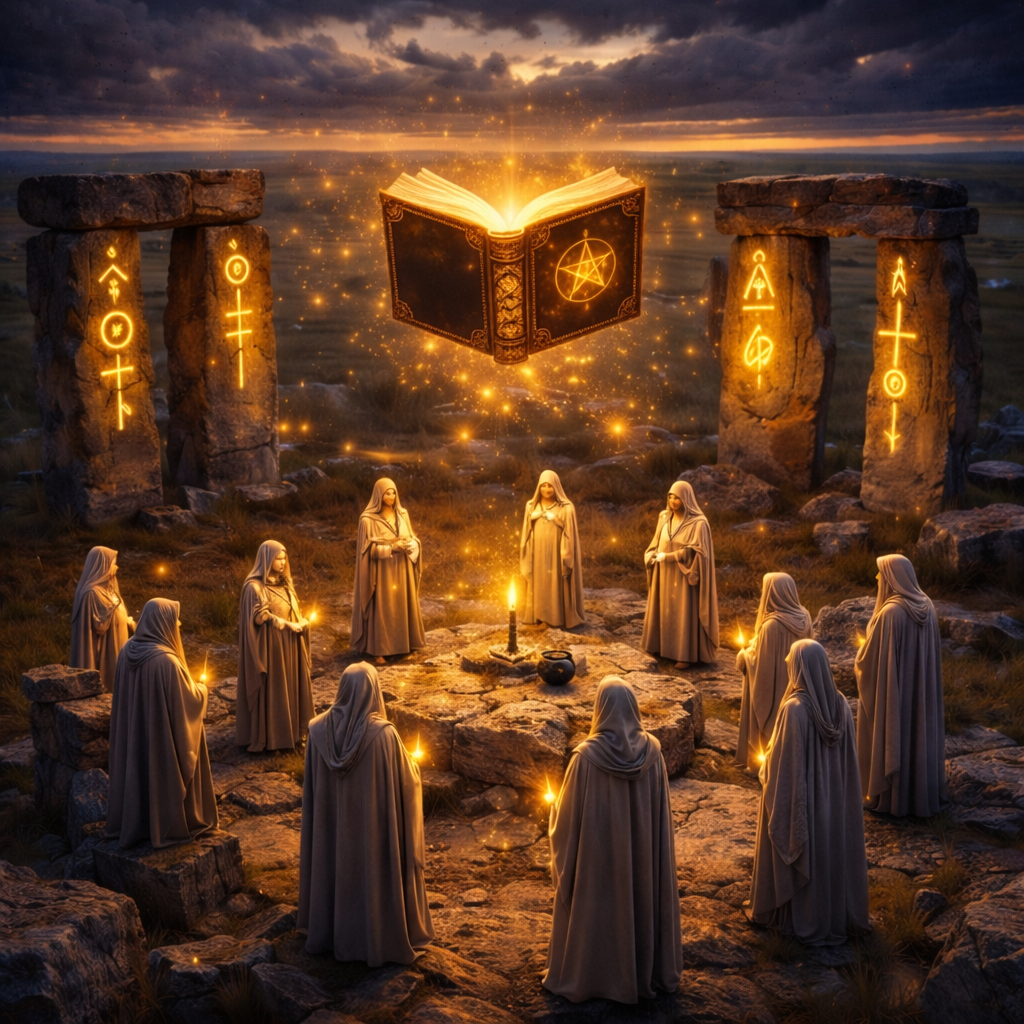

'The Tempest' by William Shakespeare is a timeless masterpiece that continues to captivate readers with its rich themes of magic, ritual, and political intrigue. For modern esoteric seekers, this play offers a deep dive into the supernatural and the mystical, providing a unique perspective on the power of the human spirit. Shakespeare's use of language is both poetic and profound, making 'The Tempest' a must-read for anyone interested in the esoteric and occult. The play's exploration of forgiveness, redemption, and the consequences of power is as relevant today as it was in the 17th century. The nine-volume Cambridge Edition is particularly valuable for its comprehensive analysis and historical context, making it an essential addition to any esoteric library.
📝 Description
72
This 1894 Cambridge Edition of Shakespeare's 'The Tempest' focuses on its esoteric dimensions.
The Cambridge Edition's 1894 release of Shakespeare's 'The Tempest' is presented here as a nine-volume set. It examines the play through the lens of occult and mystical interpretations. The work highlights the magical elements within the narrative, particularly Prospero's sorcery on his island. It also considers the political undercurrents and Prospero's spiritual development.
The island setting serves as a stage for exploring themes of forgiveness and the manipulation of natural forces. The play's relationships, especially father-daughter dynamics, and its focus on exile and redemption are analyzed for their deeper symbolic meanings. This edition is geared towards those interested in hidden knowledge, symbolism, and the philosophical questions raised by the play.
This edition interprets 'The Tempest' within traditions that see Shakespeare's works as containing veiled occult knowledge. It connects Prospero's magic to Hermeticism and Renaissance Neoplatonism, viewing his actions not just as dramatic plot devices but as symbolic representations of spiritual alchemy or the manipulation of elemental forces. The play's structure and characters are considered in light of esoteric correspondences and the quest for hidden wisdom, positioning it as a text with layered meanings for practitioners and students of the occult.
✍️ Author

Shakespeare, William
William Shakespeare was an English playwright, poet, and actor, widely regarded as the greatest writer in the English language.
💡 Why Read This Book?
Reading 'The Tempest' today offers a rich exploration of timeless themes such as magic, power, and redemption. This play provides insights into the human condition and the mysteries of the universe, making it a valuable resource for modern esoteric seekers. Whether you are a student of the occult, a Shakespeare enthusiast, or simply curious about the power of storytelling, 'The Tempest' offers a unique blend of drama, magic, and philosophy that will enrich your understanding of the esoteric world.
⭐ Reader Reviews
Honest opinions from readers who have explored this book.
❓ Frequently Asked Questions
What makes 'The Tempest' relevant for esoteric studies?
'The Tempest' is rich in magical and supernatural elements, making it a valuable text for those interested in the occult. The play's exploration of power, redemption, and the human spirit offers deep insights into esoteric themes.
Is the Cambridge Edition worth the investment?
Yes, the Cambridge Edition is highly recommended for its comprehensive analysis and historical context, providing a deeper understanding of the play's esoteric and literary significance.
Who should read 'The Tempest'?
Anyone interested in Shakespeare, the occult, or the power of storytelling will find 'The Tempest' a compelling and enriching read.
🔮 Key Themes & Symbolism
Redemption and Forgiveness
The Tempest explores the profound themes of redemption and forgiveness through the characters of Prospero and his enemies. The play's magical setting allows for a deep examination of these concepts, making it a rich source of esoteric insight.
The Manipulation of Nature
Prospero's ability to control the elements and summon spirits highlights the play's exploration of the manipulation of nature. This theme is central to the occult and mystical dimensions of the story.
Magical Symbolism
The Tempest is filled with magical symbolism, from the enchanted island to the supernatural beings that inhabit it. These symbols provide a body of work for exploring hidden knowledge and esoteric wisdom.
💡 Key Ideas
Editorial paraphrase of the work's core concepts — not direct quotes.
We are such stuff as dreams are made on, and our little life is rounded with a sleep.
This quote underscores the play's exploration of the supernatural and the fleeting nature of human existence.
Hell is empty and all the devils are here.
This line highlights the play's dark undercurrents and the presence of evil in the world.
Misery acquires no mercy.
This quote reflects the play's themes of suffering and the lack of compassion in the world.
What's past is prologue.
This line emphasizes the importance of learning from the past and moving forward, a central theme in the play.
Our revels now are ended. These our actors, as I foretold you, were all spirits and are melted into air, into thin air.
This quote underscores the ephemeral nature of life and the illusory quality of human experience.
🌙 Esoteric Significance
Tradition
'The Tempest' belongs to the Hermetic tradition, which emphasizes the manipulation of nature and the exploration of hidden knowledge. Its themes of redemption and forgiveness are central to this esoteric tradition.
Symbolism
Key symbols in the play include the enchanted island, the supernatural beings that inhabit it, and the magical powers of Prospero. These symbols provide a body of work for exploring esoteric wisdom and hidden knowledge.
Modern Relevance
Modern practitioners of the occult find 'The Tempest' relevant for its exploration of magical symbolism and the manipulation of nature. Its timeless insights into the human condition make it a valuable resource for seekers of esoteric wisdom.
👥 Who Should Read This Book
Beginners interested in the occult will find 'The Tempest' an accessible introduction to magical symbolism and hidden knowledge. Scholars of literature will appreciate its rich philosophical depth and historical context. Spiritual seekers will be drawn to its exploration of redemption and forgiveness. Practitioners of the mystical arts will find it a valuable resource for understanding the Hermetic tradition and its relevance to modern spiritual practices.
📜 Historical Context
Written in the early 17th century, 'The Tempest' reflects the political and social upheavals of Shakespeare's time. The play's themes of exile, redemption, and the manipulation of nature resonated with audiences who were living through a period of significant change. Its influence can be seen in later works of literature and the occult, making it a timeless classic that continues to inspire and enlighten readers today.
📔 Journal Prompts
Reflect on the themes of redemption and forgiveness in 'The Tempest'. How do they relate to your own spiritual journey?
Explore the magical symbolism in the play. What hidden knowledge do these symbols reveal?
Consider the manipulation of nature in 'The Tempest'. How does this theme resonate with your own experiences?
Analyze the character of Prospero. What insights does he offer into the Hermetic tradition?
Reflect on the historical context of 'The Tempest'. How does it influence your understanding of the play's themes?
🗂️ Glossary
Hermetic Tradition
A philosophical and spiritual tradition that emphasizes the manipulation of nature and the exploration of hidden knowledge.
Magical Symbolism
The use of symbols to convey esoteric wisdom and hidden knowledge, often found in literature and the occult.
Redemption
The process of being saved or delivered from sin, error, or evil. A central theme in 'The Tempest'.
Forgiveness
The act of pardoning an offense, often explored in the context of spiritual and philosophical themes.
Manipulation of Nature
The ability to control and influence the natural world, a key theme in the Hermetic tradition and 'The Tempest'.
This book appears in 10 collections
🔮 Readers Also Liked
Browse all →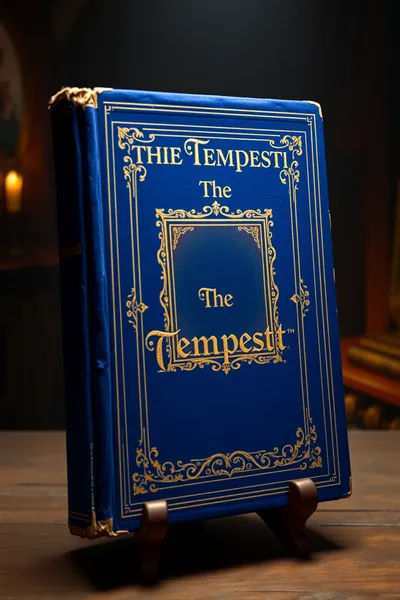
![Faust [part 1]. Translated Into English in the Original Metres](/img/thumb/faust-part-1-translated-into-english-in-the-original-metres-goethe-johann-wolfgang-von.webp)
![Faust: a Tragedy [part 1], Translated from the German of Goethe](/img/thumb/faust-a-tragedy-part-1-translated-from-the-german-of-goethe-goethe-johann-wolfgang-von.webp)






More by Shakespeare, William
All books →
From the “Transcendental Meditation” Collection
View all →








More Free Magic & Ritual Books
View all →