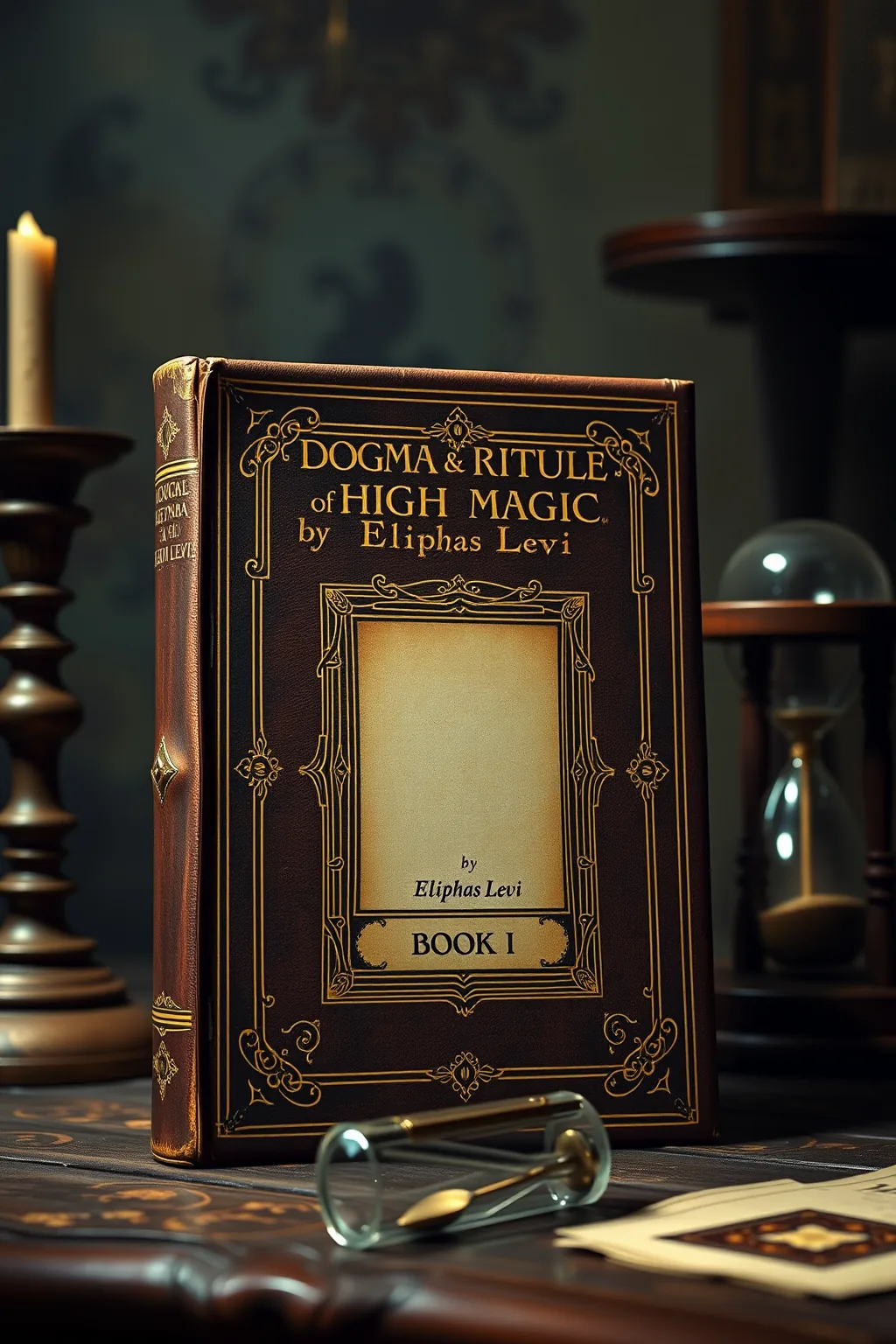
Dogma and Ritual of High Magic. Book I
 61
61

Dogma and Ritual of High Magic. Book I

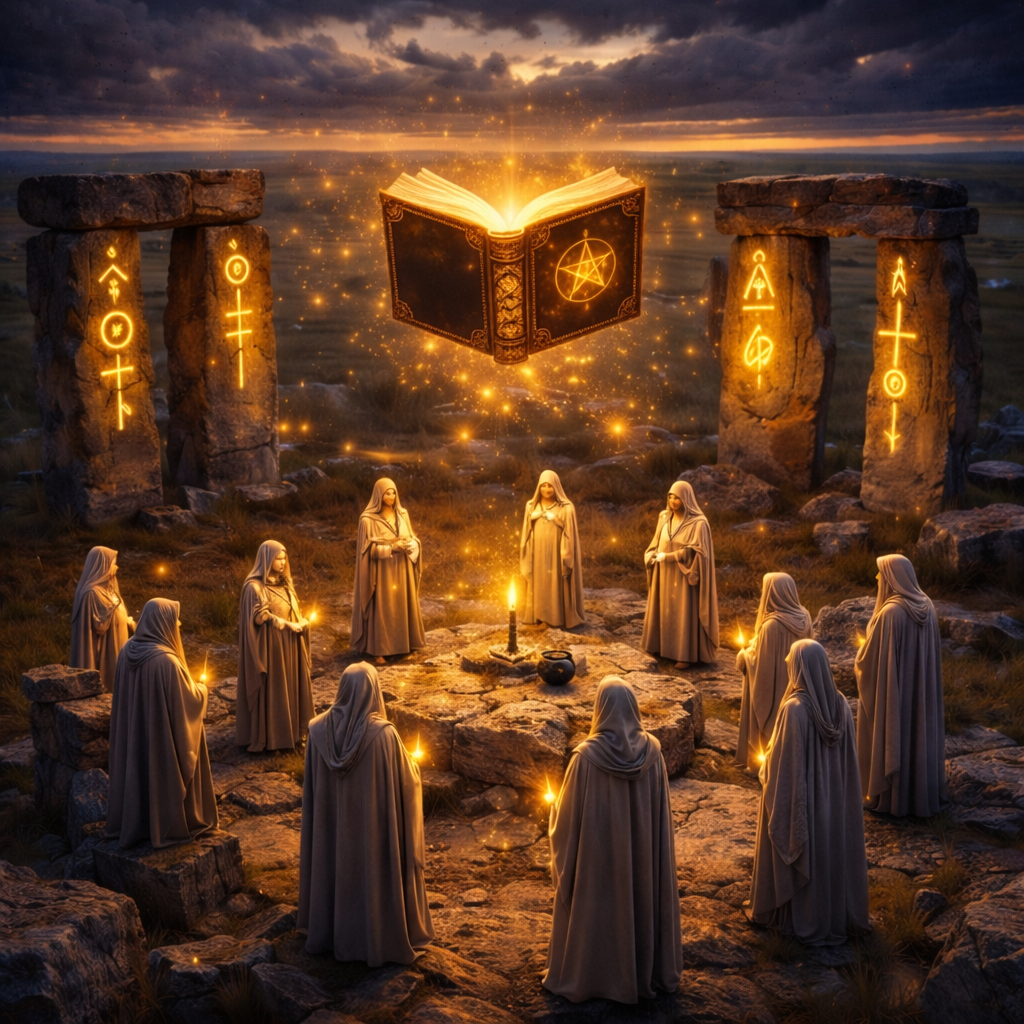

Alaric Kestrel (Metaphysical Studies Reviewer) — Eliphas Levi's "Dogma and Ritual of High Magic, Book I" remains an indispensable treatise for serious students of the occult. Levi masterfully synthesizes Kabbalah, Hermeticism, and Gnosticism, presenting a coherent and deeply symbolic system of magic. His exploration of the astral light, divine names, and the esoteric meaning of the Tarot is particularly insightful. The work's strength lies in its rigorous intellectual framework, offering not mere spells but a profound philosophical understanding of the magician's role in the cosmos. It is essential reading for anyone aspiring to grasp the theoretical underpinnings of Western esotericism.
📝 Description
61
Eliphas Levi published 'Dogma and Ritual of High Magic, Book I' in 1854, outlining his system of occultism.
Eliphas Levi's 'Dogma and Ritual of High Magic, Book I,' first published in 1854, presents a comprehensive system of ceremonial magic. Levi structures his work around the Kabbalah, particularly the Tree of Life, and its correspondences with tarot, astrology, and alchemy. He details the principles of the Great Work, which he defines as the attainment of spiritual perfection and union with the divine. The book covers divine names, angelic hierarchies, and the nature of the astral light, a concept central to his philosophy. Levi also discusses the importance of will, imagination, and ritual in achieving magical results. He aims to reconcile occult traditions with a rational framework, making magic accessible to the serious student.
This volume elaborates on the theoretical underpinnings of Levi's magical system. It examines the symbolic language of ancient traditions, including Egyptian hieroglyphs and Hebrew mysticism, as keys to understanding cosmic laws. Levi asserts that the universe operates on principles of sympathy and analogy, and that these can be harnessed through ritual practice. He outlines the necessary preparations and attitudes for the aspiring magician, emphasizing moral purity and intellectual rigor. The text serves as a guide to the fundamental doctrines and practices that Levi believed were essential for anyone pursuing the path of high magic.
Published in 1854, 'Dogma and Ritual of High Magic' emerged during a period of revived interest in Western esotericism, following figures like Louis Claude de Saint-Martin and influences from Swedenborg. Eliphas Levi synthesized elements from Hermeticism, Kabbalah, alchemy, and Western ceremonial magic into a coherent system. His work aimed to provide a rational and philosophical basis for magic, distinguishing it from mere superstition. Levi's approach, heavily reliant on symbolic interpretation and correspondences, became a significant reference point for later occult traditions, including the Hermetic Order of the Golden Dawn and various Thelemic currents.
💡 Why Read This Book?
Dive into the foundational principles of Western esotericism and unlock a universe of hidden symbolism. "Dogma and Ritual of High Magic" offers a comprehensive map to understanding the interconnectedness of the cosmos, the power of ritual, and the development of the higher self. Ideal for seekers of truth, aspiring magicians, and scholars of mystical traditions who desire a rigorous yet accessible exploration of arcane knowledge.
⭐ Reader Reviews
Honest opinions from readers who have explored this book.
❓ Frequently Asked Questions
What is the primary focus of "Dogma and Ritual of High Magic, Book I"?
The book primarily focuses on the theoretical underpinnings of High Magic, exploring its philosophical principles, divine correspondences, and the symbolic language of occultism, laying the groundwork for practical application in Book II.
Who is Eliphas Levi and what is his significance?
Eliphas Levi (Alphonse Louis Constant) was a highly influential French occultist and magician of the 19th century, considered a key figure in the revival of Western esotericism. His writings synthesized various occult traditions and profoundly shaped modern magical thought.
Is this book suitable for beginners in magic?
While dense with information, Book I provides the essential theoretical framework. Beginners will benefit from approaching it with patience and a willingness to study, ideally alongside secondary sources or experienced guidance.
What are the key esoteric traditions Levi draws from?
Levi extensively draws from Kabbalah, Hermeticism, Gnosticism, and Freemasonry, weaving them into a unique synthesis that forms the basis of his magical system.
Does this book contain practical spells or rituals?
Book I is primarily theoretical and dogmatic, establishing the principles and understanding behind magic. Practical rituals and their application are detailed in the subsequent 'Book II'.
🔮 Key Themes & Symbolism
The Astral Light: The Universal Medium
Levi posits the existence of the Astral Light as a cosmic, omnipresent medium, a vital force connecting all things. This luminous ether is the canvas upon which divine will and human intention can manifest. Understanding its nature is crucial for comprehending magical operations, as it is believed to carry thoughts, emotions, and energies, acting as both a conduit and a reservoir for magical power. Its manipulation is central to the Great Work, enabling the magician to influence both the material and spiritual realms.
The Power of Symbolism and Divine Names
This tome emphasizes the profound potency inherent in symbols and divine appellations. Levi argues that sacred names and intricate symbols are not mere representations but are imbued with the very essence of the concepts they signify. Through deep contemplation and correct invocation, these keys unlock cosmic forces and facilitate communion with higher powers. The accurate understanding and utilization of these symbolic languages are paramount for any serious practitioner seeking to align with universal energies.
The Great Work and Spiritual Ascent
Fundamentally, , "Dogma and Ritual" outlines the path of the Great Work, the alchemical and spiritual process of transformation and self-perfection. Levi guides the reader through the stages of spiritual ascent, emphasizing the cultivation of virtue, the mastery of the self, and the development of intuition and will. This journey involves harmonizing the microcosm (the individual) with the macrocosm (the universe), leading to ultimate enlightenment and union with the Divine.
💬 Memorable Quotes
Direct passages from the work, attributed to the author.
“The key of a science is its alphabet.”
— Understanding the fundamental elements and symbolic language of a discipline is essential for unlocking its deeper secrets and achieving mastery, much like learning the alphabet precedes reading complex texts.
“Will is the force that moves the world.”
— This emphasizes the power of focused intention and determination as the primary engine of change, not only in external circumstances but also within the magician's own inner transformation.
“Magic is the science of the secrets of nature.”
— This defines magic not as mere superstition, but as a profound and systematic study of the hidden laws and forces that govern the universe, accessible through specific knowledge and practice.
“The equilibrium of the magician is the secret of his strength.”
— This points to the necessity of inner balance, mental clarity, and emotional stability for effective magical work, suggesting that internal harmony is the prerequisite for wielding external power.
💡 Key Ideas
Editorial paraphrase of the work's core concepts — not direct quotes.
The absolute is only expressed by the infinite.
This quote highlights the boundless nature of the Divine and its expression through the immeasurable expanse of existence, underscoring the limitations of finite understanding when grasping ultimate reality.
🌙 Esoteric Significance
Tradition
Levi's work is a monumental synthesis, primarily rooted in Western Esotericism. He masterfully integrates Kabbalistic Tree of Life principles, Hermetic alchemy, Gnostic cosmology, and ceremonial magic. It represents a crucial bridge between older, fragmented mystical traditions and the more organized occult movements of the late 19th and 20th centuries, establishing a coherent doctrine for the aspiring magician.
Symbolism
The text is replete with strong symbolism, drawing heavily from Tarot, Hebrew letters, astrological correspondences, and alchemical imagery. Levi meticulously decodes these symbols, revealing their profound connection to universal laws and divine forces. He presents a unified symbolic language where each element—from the pentagram to divine names—holds a specific energetic signature and purpose within the magical framework.
Modern Relevance
Despite its 19th-century origins, "Dogma and Ritual of High Magic" remains profoundly relevant. Its exploration of the power of consciousness, symbolic interaction with reality, and the development of inner potential speaks directly to contemporary interests in mindfulness, manifestation, and personal growth. The book provides a timeless framework for understanding the energetic underpinnings of existence and the individual's capacity to influence their reality through focused intent and knowledge.
👥 Who Should Read This Book
This important work is essential for dedicated seekers of esoteric knowledge, providing a comprehensive theoretical foundation for understanding Western magic. Scholars of comparative religion, mythology, and occult history will find it an invaluable resource for tracing the lineage of magical thought. Aspiring practitioners of ceremonial magic will discover the philosophical underpinnings and symbolic language necessary for meaningful work. Even those new to these concepts, but possessing a deep curiosity about the hidden dimensions of reality, will find useful insights within its pages, though a commitment to study is recommended.
📜 Historical Context
Published in 1854, "Dogma and Ritual of High Magic" emerged during a period of intense occult revival in 19th-century Europe. Following the Enlightenment's emphasis on reason, there was a burgeoning counter-movement seeking spiritual and mystical truths. Eliphas Levi, a central figure in this resurgence, synthesized a vast array of esoteric traditions, including Kabbalah, Hermeticism, and ancient Egyptian mysticism, providing a structured and intellectual framework for magic. This era saw figures like Madame Blavatsky and others contributing to a renewed interest in the occult, challenging prevailing materialist views and offering alternative paths to understanding the universe and humanity's place within it. Levi's work provided a much-needed philosophical and symbolic grammar for this burgeoning field.
📔 Journal Prompts
Reflect on your personal understanding of the 'Astral Light' and how it might influence your daily life.
Choose one symbol discussed by Levi and meditate on its meaning and potential applications in your own journey.
Consider the concept of 'Will' as described by Levi. How can you strengthen and direct your own will more effectively?
Explore the connection between divine names and their power. How do words and their vibrations impact your reality?
What aspects of the 'Great Work' resonate most deeply with your personal aspirations for growth and transformation?
🗂️ Glossary
Kabbalah
An esoteric tradition within Judaism that explores the mystical nature of God and the universe, often represented by the Tree of Life, a diagram of ten interconnected spheres.
Hermeticism
A philosophical and religious tradition based on the writings attributed to Hermes Trismegistus, emphasizing divine wisdom, the interconnectedness of all things, and the principle of 'As Above, So Below'.
Astral Light
Levi's concept of a universal, luminous, and energetic medium that permeates all existence, acting as a conduit for thought, emotion, and magical influence.
The Great Work
The alchemical and spiritual process of transformation, purification, and spiritual perfection aimed at achieving enlightenment or union with the Divine.
Pentagram
A five-pointed star, a powerful symbol in occultism representing the microcosm (humanity) and its dominion over the elements, often used for protection and invocation.
This book appears in 3 collections
🔮 Readers Also Liked
Browse all →







More by Eliphas Eliphas Levi
All books →

From the “Ritual Magic” Collection
View all →





More Free Magic & Ritual Books
View all →