Faust [part 1]. Translated Into English in the Original Metres
![Faust [part 1]. Translated Into English in the Original Metres — Magic & Ritual](/img/faust-part-1-translated-into-english-in-the-original-metres-goethe-johann-wolfgang-von.webp)
 73
73

Faust [part 1]. Translated Into English in the Original Metres

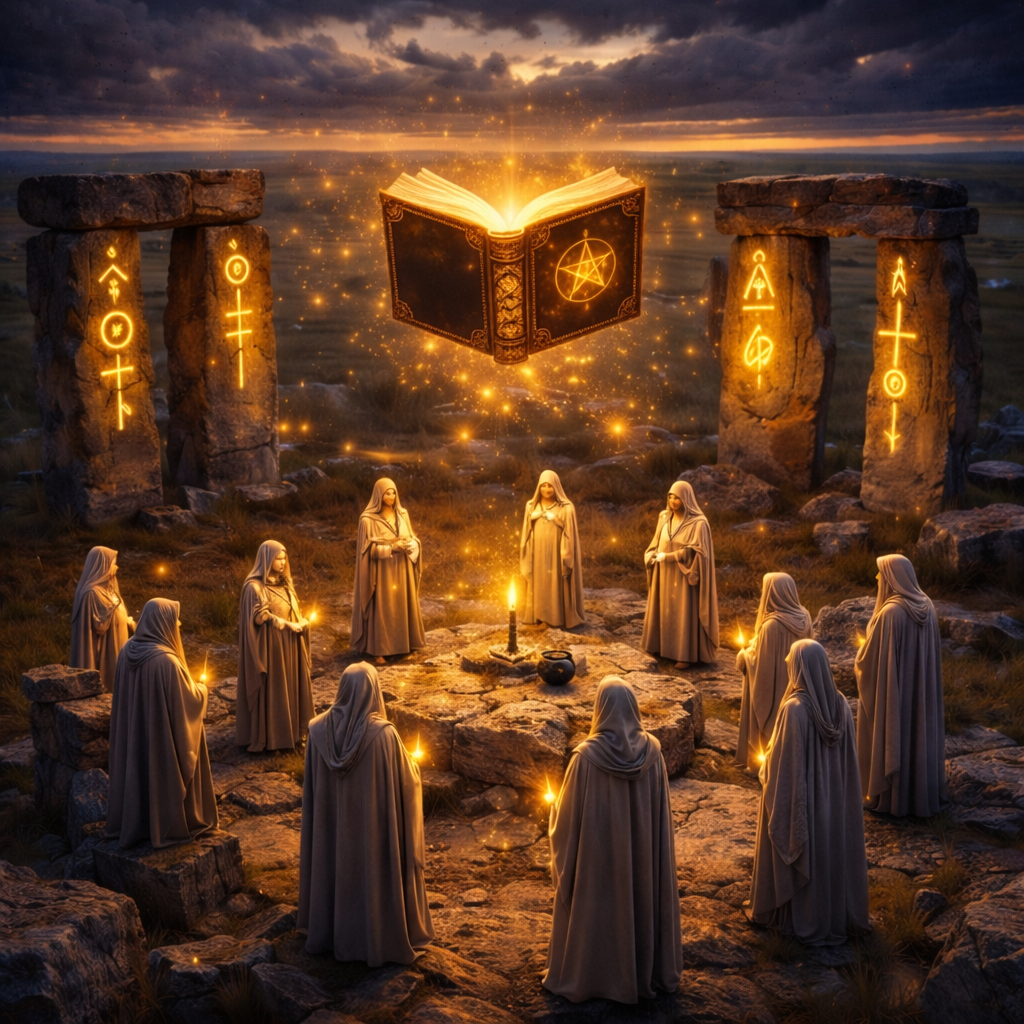

"Faust [Part 1]: Translated Into English in the Original Metres" by Johann Wolfgang von Goethe is a seminal work that continues to captivate readers with its deep exploration of esoteric themes. For modern esoteric seekers, this book offers a rich tapestry of magical rituals and philosophical inquiries that remain relevant today. Goethe's poetic prowess and his ability to weave complex ideas into a compelling narrative make this a valuable addition to any esoteric library. The translation into English, while maintaining the original metres, allows a broader audience to access the profound insights contained within. The story of Faust, a man who seeks ultimate knowledge and power through a pact with the devil, serves as a timeless exploration of human ambition and its consequences. The esoteric elements, including rituals and magical practices, are seamlessly integrated into the narrative, making it a fascinating read for those interested in the occult. Overall, this book is a must-read for anyone delving into the world of esoteric studies.
📝 Description
73
Goethe completed Faust, Part 1 in 1808, a work steeped in alchemical imagery.
This translation renders Goethe's Faust, Part 1 into English, maintaining the original meters of the German poetry. The work presents Faust, a scholar frustrated by the limits of his knowledge, who makes a pact with the devil, Mephistopheles. Through this pact, Faust seeks forbidden knowledge and transcendent experience beyond conventional learning. The narrative unfolds with elements of magic, folklore, and philosophical debate, depicting Faust's descent into a world of supernatural temptation and spiritual crisis.
The text uses rich symbolism and allegory to explore Faust's internal struggles and his interactions with both earthly and infernal forces. It touches on themes of ambition, the pursuit of ultimate truth, and the consequences of challenging divine order. This version aims to preserve the poetic structure and the evocative atmosphere of Goethe's original creation, allowing readers to engage with the drama and its underlying metaphysical inquiries.
Faust, Part 1 draws heavily on Renaissance occult traditions, particularly alchemy and folk magic. The character's quest for knowledge mirrors the alchemist's pursuit of transformation and enlightenment, the 'Great Work.' Mephistopheles represents not only a traditional devil figure but also a force of liberation from restrictive dogma, a concept found in some Gnostic traditions that viewed the material world as a prison and sought secret knowledge for liberation. The pact itself is a recurring motif in magical literature, representing a shortcut to power or understanding, often with dire spiritual costs.
✍️ Author

Goethe, Johann Wolfgang von
Johann Wolfgang von Goethe (28 August 1749 – 22 March 1832) was a German polymath who is widely regarded as the most influential writer in the German language. His work has had a wide-ranging influence on literary, political, Christian views, and philosoph…
💡 Why Read This Book?
Reading "Faust [Part 1]: Translated Into English in the Original Metres" today offers a unique blend of historical insight and esoteric wisdom. The book provides a deep dive into the world of magic and ritual, making it an invaluable resource for modern esoteric seekers. By exploring the legend of Faust, readers gain a broader understanding of the human condition and the eternal quest for knowledge. This classic work also serves as a bridge between German literature and esoteric studies, enriching the reader's perspective on both fields. Whether you are a student of literature, a practitioner of the occult, or simply curious about the mysteries of the human psyche, this book offers a profound and enlightening experience.
⭐ Reader Reviews
Honest opinions from readers who have explored this book.
❓ Frequently Asked Questions
What is the historical context of 'Faust [Part 1]'?
Set in approximately 1540, 'Faust [Part 1]' explores the legend of Faust, a scholar who sells his soul to the devil. The story is rich with occult themes and captures the mystical and philosophical debates of the era.
Who should read 'Faust [Part 1]'?
This book is ideal for scholars of German literature, enthusiasts of esoteric studies, and lovers of classic drama. It offers a profound journey into the world of magic, ritual, and human desire.
Why is the translation into English significant?
The translation preserves the original metres, providing readers with a faithful experience of Goethe's poetic genius. It allows a broader audience to access the profound insights and esoteric themes contained within the narrative.
🔮 Key Themes & Symbolism
The Quest for Knowledge
Faust's journey represents the eternal human quest for hidden knowledge and spiritual enlightenment. His pact with Mephistopheles symbolizes the dangers and allure of seeking forbidden wisdom, making this a central theme in esoteric literature.
The Nature of Desire
Goethe explores the depths of human desire and its consequences. Faust's unquenchable thirst for knowledge and experience leads him down a path of both enlightenment and destruction, highlighting the dual nature of desire.
Symbolism and Allegory
The narrative is rich with symbolic and allegorical elements, inviting readers to examine the mysteries of existence. From the character of Mephistopheles to the settings and events, every aspect of the story carries deeper meanings.
💬 Memorable Quotes
Direct passages from the work, attributed to the author.
“Two souls reside in my breast.”
— Faust's internal struggle between his rational and emotional selves is a central theme.
💡 Key Ideas
Editorial paraphrase of the work's core concepts — not direct quotes.
In the beginning was the deed.
This line underscores the importance of action over contemplation in the quest for knowledge.
The spirit world has closed its gates to me.
This quote highlights Faust's frustration with his earthly limitations and his desire for spiritual enlightenment.
A moment, it is given you, and it is gone.
This line emphasizes the fleeting nature of time and the importance of seizing the moment.
The highest wisdom is to know that one knows nothing.
This quote reflects the Socratic paradox and the humility required in the pursuit of knowledge.
🌙 Esoteric Significance
Tradition
Faust [Part 1]' belongs to the Hermetic tradition, which emphasizes the pursuit of hidden knowledge and the unification of the self with the divine. The narrative's themes of alchemy, magic, and spiritual transformation are central to Hermetic thought.
Symbolism
Key symbols include the character of Mephistopheles, representing the darker aspects of the self, and the settings, which often reflect Faust's inner journey. The pact itself is a powerful symbol of the consequences of seeking forbidden knowledge.
Modern Relevance
Today, 'Faust [Part 1]' remains relevant for modern practitioners of ritual magic and seekers of spiritual enlightenment. Its exploration of the human condition and the quest for knowledge continues to inspire those interested in the occult and esoteric traditions.
👥 Who Should Read This Book
Beginners interested in the occult will find 'Faust [Part 1]' an accessible introduction to esoteric themes. Scholars of esoteric traditions will appreciate its depth and complexity, while spiritual seekers will be drawn to its exploration of the human condition. Practitioners of ritual magic will find valuable insights into the consequences of seeking forbidden knowledge.
📜 Historical Context
Written in the early 19th century, 'Faust [Part 1]' reflects the intellectual and spiritual ferment of the Romantic era. Goethe's work was influenced by the Renaissance fascination with alchemy and the occult, as well as the Enlightenment's emphasis on reason and science. This blend of mystical and rational thought makes 'Faust' an important work in the history of esoteric literature. Its exploration of the human condition and the quest for knowledge has had a lasting influence on literature, philosophy, and the occult arts.
📔 Journal Prompts
Reflect on a time when you sought forbidden knowledge. What were the consequences?
How does Faust's journey mirror your own quest for spiritual enlightenment?
Consider the symbolism of Mephistopheles in your life. What darker aspects of yourself do you need to confront?
How does the fleeting nature of time influence your pursuit of knowledge and enlightenment?
In what ways have you experienced the dual nature of desire in your own life?
🗂️ Glossary
Mephistopheles
A demonic character representing the darker aspects of the self and the temptations of forbidden knowledge.
Alchemy
An ancient practice involving the transformation of matter, often symbolizing spiritual and personal transformation.
Hermetic Tradition
A mystical and philosophical tradition emphasizing the pursuit of hidden knowledge and the unification of the self with the divine.
Pact
An agreement or contract, often with supernatural entities, symbolizing the consequences of seeking forbidden knowledge.
Symbolism
The use of symbols to represent abstract ideas or qualities, inviting deeper interpretation and reflection.
This book appears in 8 collections
🔮 Readers Also Liked
Browse all →
![Faust: a Tragedy [part 1], Translated from the German of Goethe](/img/thumb/faust-a-tragedy-part-1-translated-from-the-german-of-goethe-goethe-johann-wolfgang-von.webp)
![The Tempest: The Works of William Shakespeare [Cambridge Edition] [9 vols.]](/img/thumb/the-tempest-the-works-of-william-shakespeare-cambridge-edition-9-vols-shakespeare-william.webp)



More by Goethe, Johann Wolfgang von
All books →From the “Transcendental Meditation” Collection
View all →






More Free Magic & Ritual Books
View all →