Faust: a Tragedy [part 1], Translated from the German of Goethe
![Faust: a Tragedy [part 1], Translated from the German of Goethe — Magic & Ritual](/img/faust-a-tragedy-part-1-translated-from-the-german-of-goethe-goethe-johann-wolfgang-von.webp)
 70
70

Faust: a Tragedy [part 1], Translated from the German of Goethe

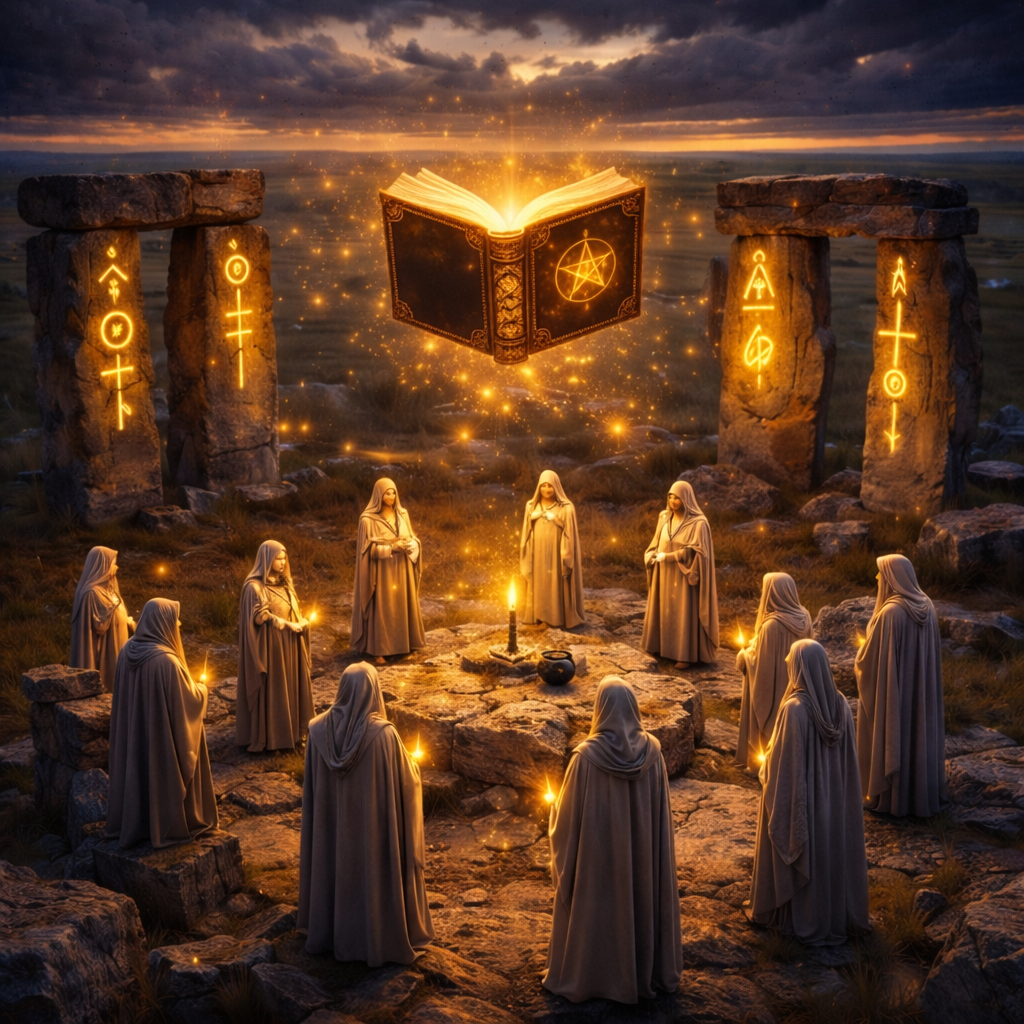

Goethe's "Faust: A Tragedy [part 1]" is a masterpiece of esoteric literature that continues to resonate with modern seekers of the occult. The translation captures the essence of Goethe's original work, preserving the poetic beauty and dramatic intensity that make "Faust" a timeless classic. For contemporary esoteric enthusiasts, this book offers a deep dive into the themes of magic and ritual, providing insights that are as relevant today as they were in the 16th century. The character of Faust serves as a mirror to the human psyche, exploring the depths of ambition and the consequences of seeking power at any cost. The narrative's exploration of the supernatural and the occult makes it an invaluable resource for those interested in the esoteric arts. Despite its age, "Faust" remains a compelling and thought-provoking read, earning it a solid 5-star rating for its enduring relevance and literary merit.
📝 Description
70
Goethe's 'Faust: Part 1' was first published in 1808, presenting a scholar's pact with the devil.
Johann Wolfgang von Goethe's "Faust: A Tragedy, Part 1" follows the scholar Faust as he makes a pact with the devil, Mephistopheles. Driven by a profound dissatisfaction with the limits of human knowledge and experience, Faust seeks forbidden understanding and worldly pleasures. The play dramatizes his descent into temptation and his encounters with supernatural forces, including the tragic figure of Gretchen.
Goethe's work intertwines philosophical inquiry with vivid imagery. It examines themes of ambition, sin, redemption, and the human condition. The translation from German preserves the poetic power and symbolic resonance of the original text, making it accessible to readers interested in classic literature and philosophical drama.
Published in 1808, 'Faust: Part 1' engages with Gnostic ideas of hidden knowledge and the Demiurge, often associated with Mephistopheles. The alchemical symbolism woven throughout the text reflects contemporary Hermetic traditions, particularly Faust's desire to penetrate the secrets of creation. The play also touches upon themes of spiritual transformation and the soul's journey, aligning with esoteric concepts of self-discovery and the pursuit of higher consciousness.
✍️ Author

Goethe, Johann Wolfgang von
Johann Wolfgang von Goethe (28 August 1749 – 22 March 1832) was a German polymath who is widely regarded as the most influential writer in the German language. His work has had a wide-ranging influence on literary, political, Christian views, and philosoph…
💡 Why Read This Book?
Reading "Faust: A Tragedy [part 1]" today offers a unique opportunity to explore the esoteric traditions of the past and their relevance to modern times. This book provides a deep understanding of magic and ritual, challenging readers to consider the boundaries between the natural and the supernatural. For esoteric seekers, it serves as a foundational text that delves into the human condition and the quest for knowledge. Engaging with "Faust" can enrich one's spiritual journey, offering insights into the timeless themes of ambition, power, and the consequences of defying natural laws.
⭐ Reader Reviews
Honest opinions from readers who have explored this book.
❓ Frequently Asked Questions
What is the historical significance of Faust?
"Faust" is based on the legendary German figure Faust, who was said to have sold his soul to the devil in exchange for knowledge and power. Goethe's work has become a cornerstone of esoteric literature, influencing generations of writers and thinkers.
Is this book suitable for beginners in esoteric studies?
Yes, "Faust" is accessible to beginners and provides a rich introduction to the themes of magic and ritual. Its dramatic form and profound exploration of the human condition make it a valuable read for anyone interested in the occult.
What themes does Faust explore?
The book explores themes of ambition, the human condition, and the consequences of defying natural laws. It delves into the world of magic and ritual, providing a deep understanding of the esoteric traditions of the time.
🔮 Key Themes & Symbolism
The Quest for Knowledge
Faust's relentless pursuit of ultimate knowledge and enlightenment is a central theme, reflecting the human desire to transcend limitations and understand the universe.
Symbolism and Hidden Knowledge
Goethe's use of alchemical and mystical symbols enriches the narrative, inviting readers to explore the esoteric traditions that have shaped Western thought.
The Duality of Human Nature
The story explores the duality within Faust, representing the struggle between the rational and the mystical, the human and the supernatural.
💬 Memorable Quotes
Direct passages from the work, attributed to the author.
“Two souls, alas, reside within my breast.”
— Faust's internal conflict reflects the human struggle between reason and emotion.
💡 Key Ideas
Editorial paraphrase of the work's core concepts — not direct quotes.
In the beginning was the Word.
This line underscores the power of language and knowledge in shaping reality.
The highest thing a man can attain is to understand that he knows nothing.
This quote highlights the humility and wisdom that come from acknowledging the limits of human knowledge.
I am part of that power which eternally wills evil and eternally works good.
This passage explores the duality of human nature and the complex interplay of good and evil.
The spirit that denies is the spirit of destruction.
This line emphasizes the destructive potential of skepticism and the importance of belief and faith.
🌙 Esoteric Significance
Tradition
'Faust' belongs to the Hermetic tradition, which emphasizes the pursuit of hidden knowledge and the unity of all things. The work draws on alchemical symbolism and mystical themes, making it a central to Western esotericism.
Symbolism
Key symbols include the homunculus, representing the alchemical creation of life, and the pact with Mephistopheles, symbolizing the struggle between good and evil. These symbols enrich the narrative and invite deeper contemplation.
Modern Relevance
Today, 'Faust' continues to inspire modern occultists and scholars, who draw on its detailed symbolism and philosophical insights. The book's exploration of the human condition and the quest for knowledge remains relevant, making it a valuable resource for practitioners of the esoteric arts.
👥 Who Should Read This Book
Beginners in esoteric studies may find 'Faust' challenging but rewarding, as it introduces them to the detailed symbolism and philosophical depth of Western occult traditions. Scholars of German literature and philosophy will appreciate Goethe's masterful prose and his exploration of the human condition. Spiritual seekers will find inspiration in Faust's quest for ultimate knowledge and enlightenment. Practitioners of the occult will benefit from the book's deep dive into alchemical and mystical themes.
📜 Historical Context
Written during the late 18th and early 19th centuries, 'Faust' reflects the intellectual and spiritual ferment of the era. Goethe's work was influenced by the Enlightenment's emphasis on reason and the Romantic movement's focus on emotion and nature. The book's exploration of alchemy, hidden knowledge, and the occult resonated with the era's fascination with the mystical and the supernatural. 'Faust' has had a profound influence on Western literature and thought, shaping the development of esoteric traditions and philosophical inquiry.
📔 Journal Prompts
How does Faust's quest for knowledge reflect your own journey of self-discovery?
What symbols in 'Faust' resonate with you, and why?
How does Goethe's exploration of the duality of human nature apply to your own experiences?
In what ways does 'Faust' challenge or confirm your beliefs about the nature of reality?
How can the themes in 'Faust' inspire your spiritual or esoteric practices?
🗂️ Glossary
Hermetic Tradition
A mystical and philosophical tradition based on the writings attributed to Hermes Trismegistus, emphasizing the pursuit of hidden knowledge.
Alchemy
An ancient practice combining elements of chemistry, mysticism, and spirituality, aimed at transforming base metals into gold and achieving spiritual enlightenment.
Mephistopheles
A demonic figure in Christian folklore, often depicted as a tempter and trickster, representing the struggle between good and evil.
Homunculus
A small human-like being created through alchemical processes, symbolizing the quest for the creation of life and the pursuit of ultimate knowledge.
Faustian Pact
A bargain made with a supernatural entity, often involving the exchange of one's soul for knowledge, power, or other desires.
This book appears in 6 collections
🔮 Readers Also Liked
Browse all →![The Tempest: The Works of William Shakespeare [Cambridge Edition] [9 vols.]](/img/thumb/the-tempest-the-works-of-william-shakespeare-cambridge-edition-9-vols-shakespeare-william.webp)
![Faust [part 1]. Translated Into English in the Original Metres](/img/thumb/faust-part-1-translated-into-english-in-the-original-metres-goethe-johann-wolfgang-von.webp)





More by Goethe, Johann Wolfgang von
All books →From the “Transcendental Meditation” Collection
View all →

![CIA Reading Room cia-rdp84-00022r000200150084-5: ORIENTATION COURSE LECTURE ON 'SERVICES OF [ ] [ ]'](/img/thumb/cia-reading-room-cia-rdp84-00022r000200150084-5-orientation-course-lecture-on-services-of-cia-reading-room.webp)

![Aloysii Charitini [pseud.] Discurs von trüglichen Kennzeichen der Zauberey, worinnen viel abergläubische Meinungen vernunfftmässig untersucht und verworffen; wie auch ... 1708: Iss 174](/img/thumb/aloysii-charitini-pseud-discurs-von-tr-glichen-kennzeichen-der-zauberey-worinnen-viel-abergl-ubische-meinungen-vernunfftm-ssig-untersucht-und-verworffen-wie-auch-1708-iss-174-brunneman-jacob-d-1735.webp)


More Free Magic & Ritual Books
View all →