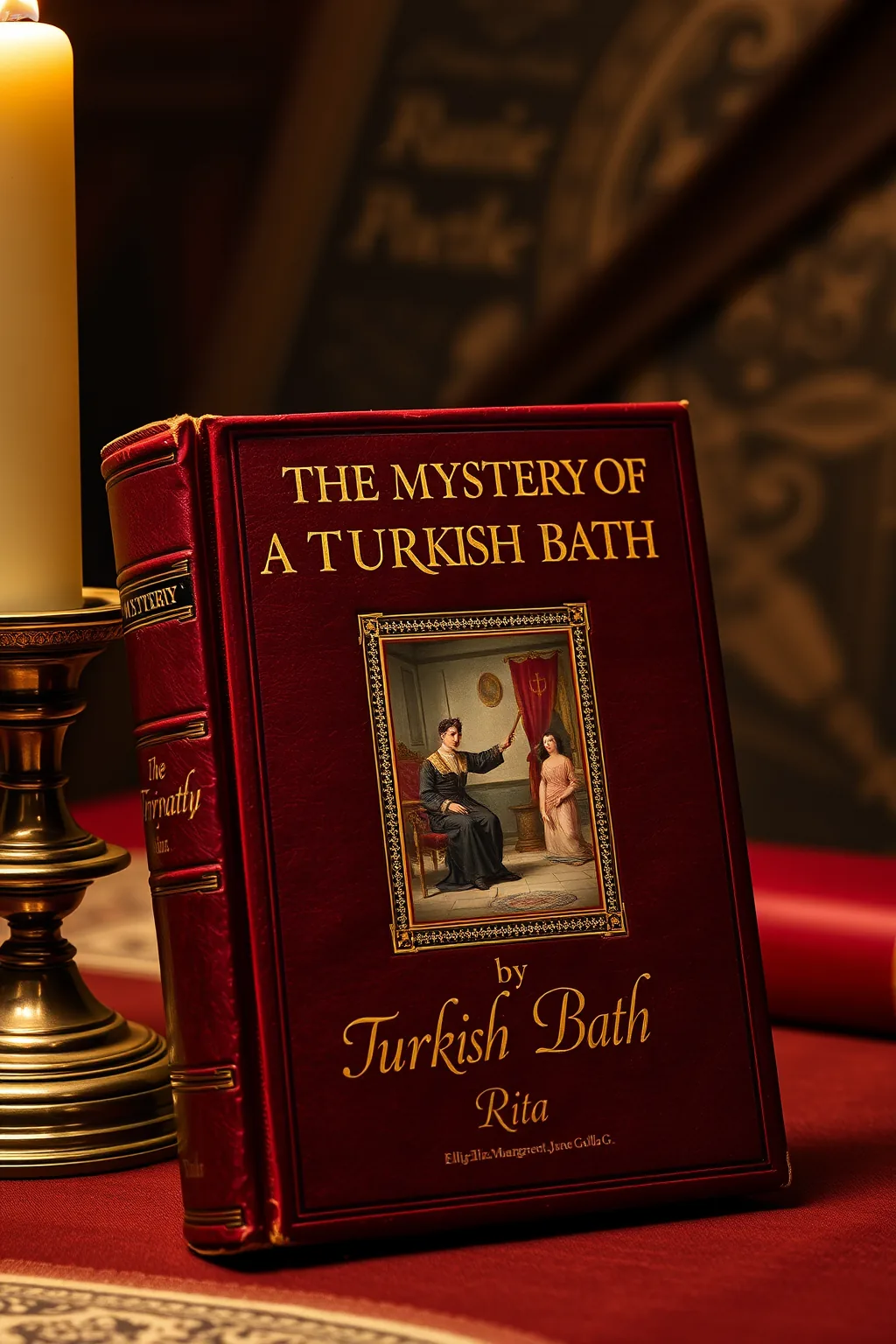
The Mystery of a Turkish Bath
 83
83

The Mystery of a Turkish Bath



The Mystery of a Turkish Bath by Rita (E.M. Gollan) is a hidden gem in the realm of esoteric literature. Published in 1888, this novel offers a unique blend of supernatural elements and late 19th-century societal norms, making it a compelling read for modern esoteric seekers. The story's setting in a Turkish bath, a place of healing and rejuvenation, provides a fitting backdrop for the exploration of spiritual and occult themes. Gollan's prose is both elegant and evocative, drawing the reader into a world where the boundaries between the seen and unseen are blurred. The introduction of an extraordinarily beautiful woman adds a layer of mystery that keeps the reader engaged. For those interested in the occult and supernatural literature, this book provides a rich and thought-provoking journey. It is a must-read for anyone seeking to understand the esoteric thought of the late 19th century. The novel's historical context and literary style make it a valuable addition to any esoteric library.
📝 Description
83
Rita's 1897 novel, The Mystery of a Turkish Bath, uses a Victorian spa setting for occult speculation.
Published in 1897 under the pseudonym Rita, Eliza Margaret Jane Gollan's novel centers on a gathering of women in a Turkish bath at a seaside hotel. The confined setting becomes a crucible for exploring supernatural phenomena and hidden knowledge. Gollan's prose creates a palpable atmosphere, blending the mundane details of late Victorian life with unsettling encounters and symbolic undercurrents.
The narrative probes the nature of perception and the unseen forces that might influence human experience. It questions the boundaries between the physical world and a less tangible reality. For readers interested in occult fiction from the period, the book presents a unique fictional framework for contemplating metaphysical questions and the darker aspects of the human psyche.
This novel emerged from a late Victorian fascination with spiritualism and the occult. It reflects a broader cultural interest in charting the unseen, often through the lens of perceived societal anxieties or the burgeoning field of psychology. The setting of a Turkish bath, a space associated with ritual cleansing and female solidarity, provides a charged backdrop for exploring themes of hidden power and altered states of consciousness, common tropes in esoteric literature of the era.
✍️ Author
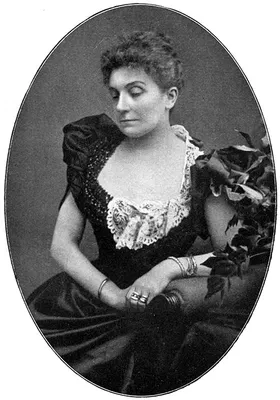
Rita, pseudonym of Eliza Margaret Jane Gollan (1850-1938)
Elizabeth Margaret Jane Humphreys née Gollan (14 June 1850 – 1 January 1938) was a Scottish novelist from Inverness-shire who wrote 120 books, plays and essays, and founded the Writers’ Club for Women. Many of her works were published under the pseudonym Rita.
💡 Why Read This Book?
Reading The Mystery of a Turkish Bath today offers a unique perspective on the occult and supernatural literature of the late 19th century. This book provides insight into the cultural and spiritual beliefs of the time, making it a valuable read for esoteric seekers. The narrative's blend of elegance and intrigue makes it an engaging and thought-provoking experience. Readers will gain a deeper understanding of the intersection between physical and metaphysical realms, as well as the enduring fascination with the supernatural.
⭐ Reader Reviews
Honest opinions from readers who have explored this book.
❓ Frequently Asked Questions
What is the main theme of The Mystery of a Turkish Bath?
The main themes of The Mystery of a Turkish Bath include the exploration of the supernatural, spiritual healing, and the intersection of the physical and metaphysical realms.
Who is the author of this book?
The book was written by Eliza Margaret Jane Gollan under the pseudonym 'Rita.'
Is this book suitable for modern readers?
Yes, this book is suitable for modern readers interested in esoteric and occult literature, as it offers a unique perspective on the supernatural and spiritual beliefs of the late 19th century.
🔮 Key Themes & Symbolism
Supernatural Encounters
The novel looks at the supernatural experiences of the characters, exploring the unseen forces that shape their lives. This theme is central to the book's occult philosophy, as it challenges the boundaries of reality and the ordinary.
Symbolism and Hidden Knowledge
Gollan's use of symbolism and hidden knowledge creates a wide range of esoteric insights. The book invites readers to uncover the deeper meanings behind the narrative, making it a valuable read for those interested in the mystical and the metaphysical.
Philosophical Significance
The Mystery of a Turkish Bath offers a philosophical journey that questions the nature of reality and the unseen forces that shape our lives. This theme is explored through the characters' experiences and the book's unique setting.
💡 Key Ideas
Editorial paraphrase of the work's core concepts — not direct quotes.
The unseen forces that shape our lives are as real as the air we breathe.
This quote underscores the book's exploration of the supernatural and the unseen.
In the area of the occult, nothing is as it seems.
This line highlights the book's use of symbolism and hidden knowledge.
The boundaries between reality and the supernatural blur in the Turkish bath.
This quote emphasizes the book's unique setting and its role in the narrative.
The quest for hidden knowledge is a journey into the unknown.
This line underscores the book's philosophical significance and its exploration of esoteric themes.
The supernatural is not a distant dream but a present reality.
This quote highlights the book's penetration into the occult and its relevance to modern seekers.
🌙 Esoteric Significance
Tradition
The book belongs to the Hermetic tradition, which emphasizes the exploration of hidden knowledge and the supernatural. This tradition is characterized by its focus on the unseen forces that shape our lives and the quest for esoteric wisdom.
Symbolism
Key symbols in the book include the Turkish bath, which represents a portal to the supernatural, and the luxurious hotel, which symbolizes the opulence and curiosity of the era. These symbols are integral to the book's exploration of the occult and its philosophical significance.
Modern Relevance
The Mystery of a Turkish Bath remains relevant today for modern practitioners of the occult and seekers of esoteric wisdom. Its exploration of the supernatural and hidden knowledge continues to inspire those who are curious about the mysteries of the metaphysical world.
👥 Who Should Read This Book
Beginners in the occult will find The Mystery of a Turkish Bath to be an accessible introduction to the supernatural and esoteric themes. Scholars of the mystical will appreciate the book's deep exploration of hidden knowledge and symbolism. Spiritual seekers will be drawn to the book's philosophical significance and its quest for esoteric wisdom. Practitioners of metaphysical arts will find valuable insights and inspiration in the book's unique setting and narrative.
📜 Historical Context
The Mystery of a Turkish Bath was written in the late 19th century, a time when interest in the occult and supernatural was on the rise. The book reflects the era's fascination with hidden knowledge and esoteric themes, making it an important work in the literature of the mystical. Its influence can be seen in later works that explore the supernatural and the unseen forces that shape our lives. The setting of a luxurious seaside hotel adds to the book's historical significance, as it captures the essence of the period's opulence and curiosity about the unknown.
📔 Journal Prompts
Reflect on your own experiences with the supernatural. How do they compare to the characters' experiences in the book?
Explore the symbolism in the book. What deeper meanings do the symbols hold for you?
Consider the philosophical significance of the unseen forces that shape our lives. How do these forces manifest in your own life?
Write about a time when you felt a connection to the occult. How did this experience shape your understanding of the supernatural?
Reflect on the quest for hidden knowledge. What steps have you taken in your own journey to uncover esoteric wisdom?
🗂️ Glossary
Occult
The study of hidden knowledge and supernatural phenomena, often involving esoteric practices and symbolism.
Esoteric
Pertaining to knowledge that is intended for a small group of people, often involving hidden meanings and symbols.
Supernatural
Phenomena that are beyond the range of normal experience or scientific explanation, often involving the unseen forces that shape our lives.
Hermetic
Relating to the teachings of Hermes Trismegistus, which emphasize the exploration of hidden knowledge and the supernatural.
Symbolism
The use of symbols to represent ideas or qualities, often involving hidden meanings and esoteric insights.
This book appears in 10 collections
🔮 Readers Also Liked
Browse all →









From the “Transcendental Meditation” Collection
View all →






More Free Occult Philosophy Books
View all →