OM Yoga
 74
74

OM Yoga
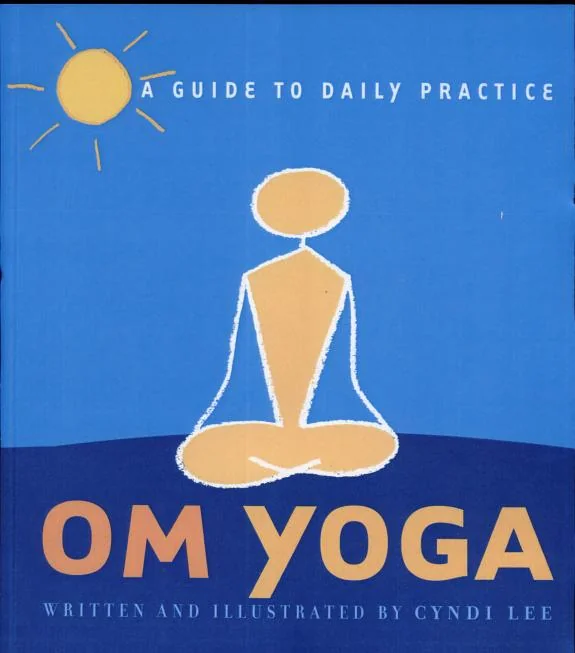
Cyndi Lee’s OM Yoga offers a refreshingly direct approach to home yoga practice. The book’s strength lies in its systematic breakdown of the week, providing a clear, illustrated sequence for each day. This structure is invaluable for cultivating discipline and variety. Lee’s illustrations are indeed charming and simple, serving their purpose effectively. However, the book's focus on visual simplicity occasionally leads to a lack of depth in explaining the subtler energetic or philosophical underpinnings of the poses. For instance, while the sequence for Tuesday is clearly laid out, the explanation of *why* certain poses are grouped or the energetic intention behind them remains somewhat superficial. It’s a solid guide for the physical practice, but practitioners seeking deeper metaphysical exploration might need to supplement it. The verdict: A practical, visually guided yoga manual for consistent home practice.
📝 Description
74
OM Yoga, published in 2002, offers a structured daily yoga sequence for home practice.
Written by experienced teacher Cyndi Lee, OM Yoga was released in 2002 with the goal of making a consistent yoga routine accessible to individuals without needing in-person instruction. The book's approach relies on clear, simple illustrations to guide users through poses and sequences. It provides a distinct yoga sequence for each day of the week, aiming for clarity and ease of understanding.
This book is suited for those who learn best visually and prefer to practice at their own pace. Beginners seeking an introduction to yoga will find a clear entry point, while intermediate students can use it to refine their existing home practice. The focus is squarely on the practical application of asana, aligning with the growing interest in physical well-being and stress reduction prevalent in the early 2000s.
OM Yoga emerged during a period of significant growth for yoga in the Western world. While not a philosophical treatise, its focus on practical asana application and stress reduction techniques aligns with broader cultural movements toward mindfulness and self-care that gained traction in the early 2000s. The book's emphasis on a structured, daily approach to physical practice reflects a desire to integrate yogic disciplines into everyday life, making them accessible beyond traditional institutional settings.
💡 Why Read This Book?
• Learn a unique, illustrated yoga sequence for each of the seven days of the week, fostering daily discipline as presented in the book's structure. • Discover how Cyndi Lee uses simple, charming illustrations to make complex poses accessible, offering a visual learning method distinct from text-heavy guides. • Integrate a structured home practice that addresses the growing interest in yoga for physical well-being, a trend prominent around its 2002 publication.
⭐ Reader Reviews
Honest opinions from readers who have explored this book.
❓ Frequently Asked Questions
Is OM Yoga suitable for complete beginners who have never practiced yoga before?
Yes, OM Yoga is designed for accessibility. Its simple illustrations and clear, day-by-day structure make it an excellent starting point for individuals new to yoga, allowing them to build a consistent practice from home.
What is the main difference between OM Yoga and other yoga books published around 2002?
OM Yoga distinguishes itself by offering a unique, illustrated yoga class for each day of the week, emphasizing a structured, self-guided routine rather than extensive philosophical discourse or complex anatomical charts.
Does OM Yoga include spiritual or philosophical teachings, or is it purely physical?
While primarily focused on the physical practice of asana through illustrated sequences, the book's structure and daily approach implicitly encourage discipline and mindfulness, common elements in yoga's broader spiritual context.
How does Cyndi Lee's approach in OM Yoga cater to home practitioners?
Cyndi Lee caters to home practitioners by providing a complete, week-long yoga program that is easy to follow, relying on simple, direct visual cues rather than requiring real-time instruction, making it ideal for self-study.
What kind of illustrations are used in OM Yoga?
The book features charming and simple illustrations that clearly depict the yoga poses and sequences. These visuals are central to the book's pedagogical approach, aiming for ease of understanding and replication.
Can OM Yoga help someone build a regular yoga habit?
Absolutely. The book's design, with a specific class for each day of the week, is intended to help users establish a consistent and varied yoga habit that can be easily maintained at home.
🔮 Key Themes & Symbolism
Daily Structured Practice
OM Yoga introduces a novel concept of a distinct yoga sequence for each day of the week. This structured approach moves beyond generic yoga manuals, offering variety and preventing stagnation in a home practice. By assigning specific flows or focuses to Monday through Sunday, the book encourages practitioners to engage with different aspects of yoga consistently, fostering discipline and a well-rounded physical and energetic experience. This daily segmentation is a key pedagogical tool designed for long-term adherence and development outside a studio setting.
Visual Pedagogy
The book's reliance on simple, charming illustrations is a core element of its design. This visual pedagogy prioritizes clarity and immediate comprehension, making the practice of asana accessible even without verbal instruction. Unlike texts laden with complex anatomical descriptions, OM Yoga uses images as the primary medium for conveying pose alignment and flow. This approach is particularly beneficial for kinesthetic learners and those who find visual cues more effective for internalizing physical movements and sequences.
Accessible Home Yoga
OM Yoga aims to democratize yoga practice by bringing the studio experience into the home in an easy, accessible way. It addresses the practical barriers many face in attending regular classes, such as time constraints or cost. The book's design, focusing on clear guidance through illustrations and a weekly schedule, empowers individuals to cultivate their own yoga discipline. This focus on self-sufficiency aligns with a broader movement towards holistic health and personal well-being practices that can be integrated into daily life.
Holistic Well-being
While emphasizing the physical postures (asana), the structured weekly approach in OM Yoga implicitly supports holistic well-being. Each day's practice is designed to contribute to an overall sense of balance and vitality. By engaging in a varied routine, practitioners can address physical stamina, flexibility, and mental focus. The book's publication in 2002 coincided with a growing awareness of yoga's benefits beyond mere exercise, encompassing stress reduction and mental clarity.
💬 Memorable Quotes
Direct passages from the work, attributed to the author.
“For each day of the week, she offers a unique yoga class.”
— This highlights the book's central organizing principle: a distinct, curated practice for every day. It suggests a method designed to ensure variety, consistency, and a comprehensive approach to home yoga.
“Communicated through charming and simple illustrations.”
— This emphasizes the book's pedagogical strategy. The reliance on visual guides rather than extensive text aims to make the practice accessible and easy to follow, prioritizing clarity in physical execution.
“Brings the rigors and rewards of yoga class to the home.”
— This phrase suggests the book aims to replicate the effectiveness and benefits of attending a formal yoga class, but within the convenience and privacy of one's own space.
“An easy, accessible way.”
— This points to the book's intended audience and design philosophy. It's crafted to remove barriers to entry for yoga, making it manageable for individuals regardless of their prior experience.
“Offers a unique yoga class.”
— This reinforces the idea that each day's practice is distinct and thoughtfully designed, providing a varied experience rather than a repetitive sequence.
🌙 Esoteric Significance
Tradition
OM Yoga, while primarily a practical guide to asana, touches upon the broader yogic tradition, which has deep roots in Indian spiritual and philosophical systems. It aligns with the Hatha Yoga Pradipika's emphasis on physical postures as a preparatory stage for deeper meditation and yogic attainment. While not explicitly detailing esoteric lineages like Tantra or Vedanta, its structured daily practice implicitly supports the yogic goal of harmonizing body and mind, a fundamental principle across many esoteric paths.
Symbolism
The book’s primary visual motif is the illustration of asanas, which themselves carry symbolic weight within yoga. Poses like Trikonasana (Triangle Pose) can symbolize stability and expansion, while inversions like Sarvangasana (Shoulderstand) are often associated with reversing perspectives and stimulating energy centers. The organization into a daily sequence can also be seen as a symbolic representation of life's cyclical nature and the importance of consistent effort in spiritual or personal development.
Modern Relevance
OM Yoga's emphasis on structured, accessible home practice remains highly relevant today. Its approach anticipates the rise of online yoga classes and digital fitness platforms by providing a self-guided, visual curriculum. Contemporary yoga teachers and wellness influencers often draw upon similar principles of breaking down complex practices into manageable daily segments. The book's success highlights a persistent need for clear, visually-driven instruction that empowers individuals to cultivate well-being independently.
👥 Who Should Read This Book
• Individuals new to yoga seeking a clear, non-intimidating introduction to physical practice, benefiting from the simple, step-by-step illustrations. • Regular yoga practitioners looking to establish or diversify their home practice, utilizing the book’s unique seven-day sequence structure. • Visual learners who find detailed diagrams and images more helpful than lengthy textual explanations for understanding physical postures and flows.
📜 Historical Context
OM Yoga arrived in 2002 amidst a surge in Western yoga adoption, fueled by a growing interest in health, wellness, and stress management. Unlike the more philosophical or anatomically dense yoga texts prevalent at the time, Cyndi Lee's work focused on practical, accessible instruction for home practitioners. It emerged during a period where books by authors like Baron Baptiste were also gaining traction, each offering different approaches to making yoga more approachable. Lee’s method, centered on simple, daily illustrated sequences, distinguished itself by prioritizing visual learning and a structured weekly routine. This approach resonated with a broad audience seeking to integrate yoga into busy lives. The work did not face significant controversy or censorship but rather contributed to the burgeoning market of yoga guides that aimed to clarify the practice for the general public.
📔 Journal Prompts
Reflect on the visual cues provided for a specific pose in OM Yoga.
Consider how the day's assigned practice in OM Yoga might complement your current energy levels.
Analyze the progression of poses within a single day's sequence.
Explore the potential rewards of a consistent, structured home yoga practice as presented in the book.
Compare the ease of understanding the illustrations versus relying on written instructions for a pose.
🗂️ Glossary
Asana
A physical posture or pose in yoga, often used to prepare the body for meditation and cultivate strength and flexibility.
Hatha Yoga
A widely practiced branch of yoga that focuses on physical postures (asanas) and breathing techniques (pranayama) to balance the body and mind.
Pranayama
The practice of controlling breath, often through specific techniques, to manage vital energy (prana) and enhance mental clarity and physical well-being.
Sequence
An ordered series of yoga poses performed consecutively, designed to create a flow and achieve specific physical or energetic effects.
Home Practice
Engaging in yoga exercises and techniques independently at one's residence, as opposed to attending a formal class in a studio or center.
Illustration
A drawing or graphic representation used to clarify or decorate a text, in this context, to visually guide the reader through yoga poses.
Rigors
The demanding or severe aspects of a practice, referring to the physical effort and discipline required in yoga.
This book appears in 1 collection
🔮 Readers Also Liked
Browse all →









From the “Hatha Yoga” Collection
View all →






More Free Occult Philosophy Books
View all →