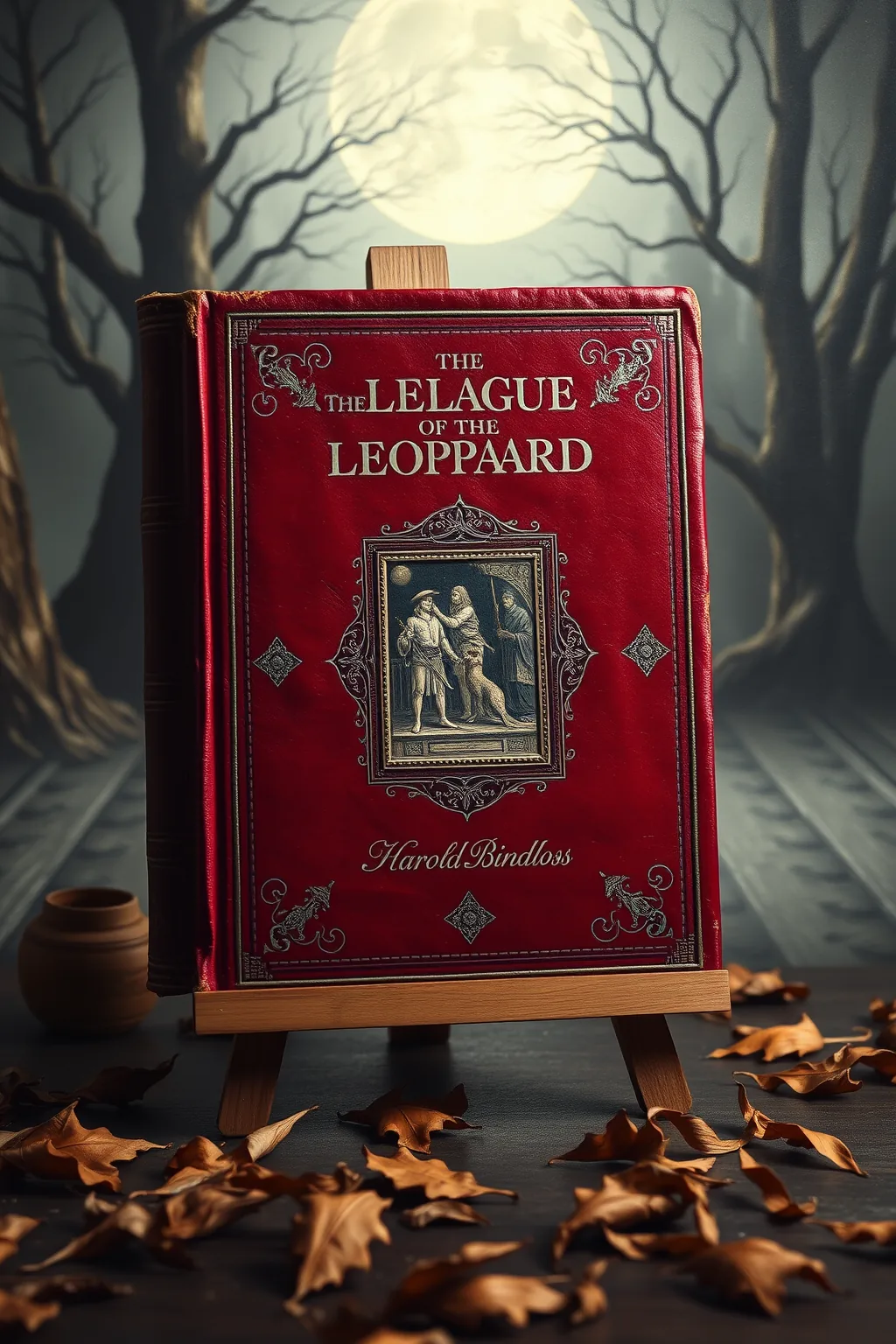
The League of the Leopard
 69
69

The League of the Leopard

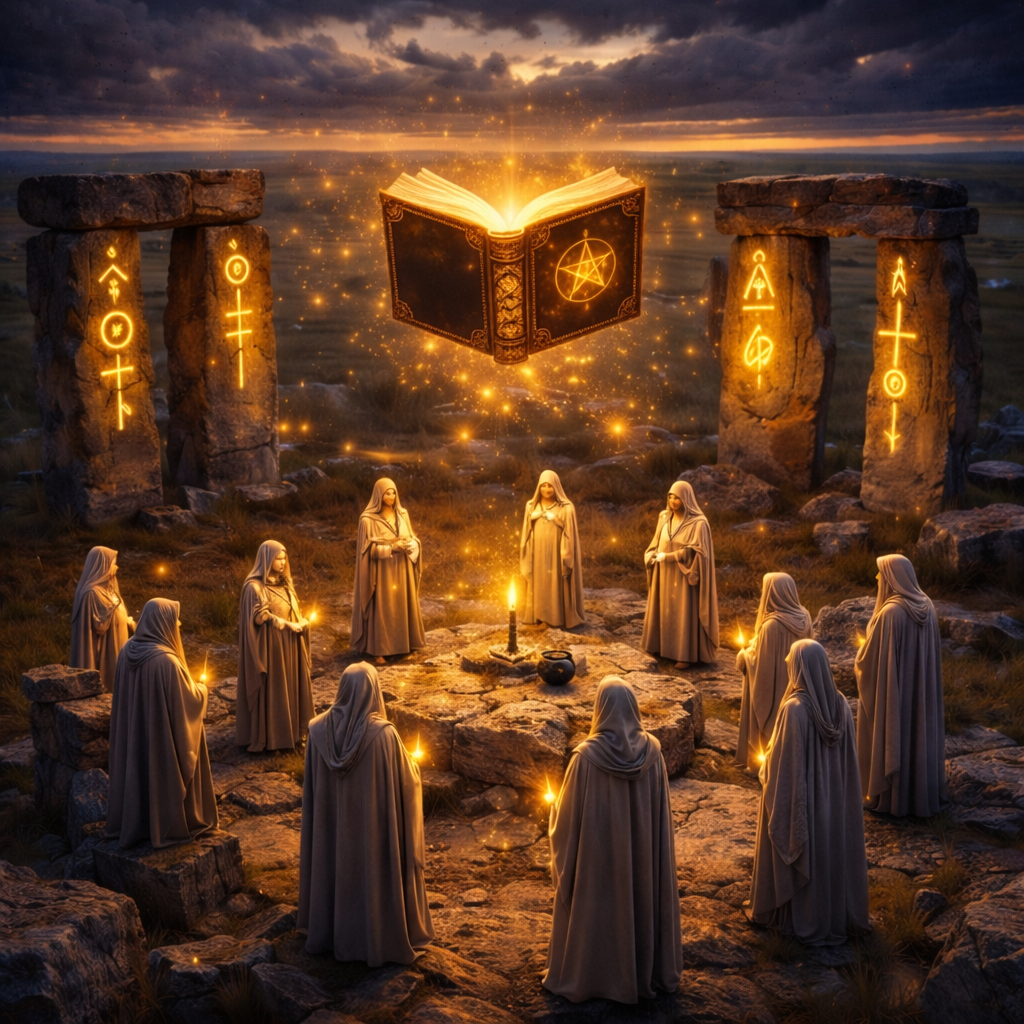

Harold Bindloss' The League of the Leopard is a gem for modern esoteric seekers, offering a window into the colonial era's fascination with the occult. The novel's strength lies in its vivid portrayal of African landscapes and the intricate rituals of the League of the Leopard, which add a layer of authenticity to the mystical elements. Bindloss masterfully weaves together adventure and esoteric lore, creating a narrative that is both entertaining and thought-provoking. The characters are well-developed, and their interactions with the magical society provide insight into the cultural dynamics of the time. For those interested in the intersection of magic and colonial history, this book is an invaluable resource. It not only entertains but also educates, making it a worthwhile addition to any esoteric library.
📝 Description
69
Harold Bindloss's 1921 novel, The League of the Leopard, presents occult societies in colonial Africa.
Set in Africa, The League of the Leopard follows characters entangled with secret societies and ancient rituals. Bindloss weaves a narrative where these hidden practices shape the characters' fates. The story evokes the atmosphere of exotic locations, hinting at the influence of arcane knowledge on everyday life.
The novel examines the human mind's hidden aspects, suggesting magic and mystery are tools for self discovery and cosmic comprehension. It appeals to those interested in esoteric subjects and the occult. Bindloss's work provides a detailed look at mystical themes within an adventurous plot.
Published in 1921, The League of the Leopard fits within a period when Western authors frequently incorporated elements of Eastern mysticism and occultism into their fiction. This era saw a surge of interest in societies like the Theosophical Society and various Rosicrucian orders, which often blended Eastern philosophies with Western magical traditions. Bindloss's depiction of 'hidden knowledge' and 'ancient rituals' reflects this broader cultural fascination with esoteric systems and their perceived power to influence events and individual consciousness.
✍️ Author
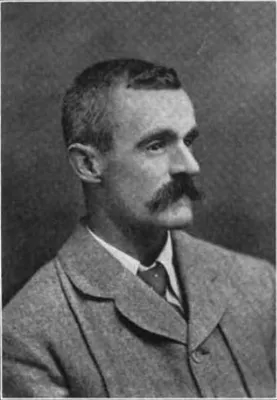
Bindloss, Harold
Harold Edward Bindloss (6 April 1866 – 30 December 1945) was an English novelist who wrote many adventure novels set in western Canada, and some in West Africa and England. His writing was strongly based on his own experience, whether as a seaman, a dock wo…
💡 Why Read This Book?
Reading The League of the Leopard today offers a unique blend of historical adventure and esoteric exploration. It provides a rare glimpse into how magical and ritualistic practices were perceived and integrated into colonial narratives. For modern esoteric seekers, this book offers valuable insights into the cultural and mystical landscapes of the past. It is an engaging read that combines thrilling escapades with deep, esoteric themes, making it a must-have for anyone interested in the occult and historical fiction.
⭐ Reader Reviews
Honest opinions from readers who have explored this book.
❓ Frequently Asked Questions
What is the main theme of The League of the Leopard?
The main theme revolves around the encounter between European adventurers and a secret society of magicians in colonial Africa, exploring themes of exploration, cultural clash, and the allure of the unknown.
Is this book suitable for readers interested in the occult?
Yes, it is particularly suitable for readers interested in the occult as it delves into ancient rituals and magical practices, providing a unique perspective on how these themes were perceived during the colonial era.
What makes The League of the Leopard a valuable read today?
The book offers a rare glimpse into the cultural and mystical landscapes of the past, making it a valuable resource for modern esoteric seekers and history enthusiasts alike.
🔮 Key Themes & Symbolism
Hidden Knowledge
The League of the Leopard examines the concept of hidden knowledge, where ancient rituals and occult practices are the keys to understanding the world. This theme is woven throughout the narrative, making it a rich source of esoteric insights for readers.
Symbolism and Ritual
The novel explores the power of symbolism and ritual in shaping the destinies of its characters. Bindloss uses these elements to create a sense of mystery and depth, inviting readers to contemplate the hidden meanings behind everyday actions.
The African Mystical Tradition
The setting of Africa provides a backdrop for the exploration of mystical traditions unique to the continent. The League of the Leopard draws from these traditions to create a world where magic and mystery are ever-present.
💡 Key Ideas
Editorial paraphrase of the work's core concepts — not direct quotes.
In the heart of the jungle, the ancient rituals hold sway.
This line underscores the novel's exploration of hidden knowledge and the power of ritual magic.
The veil between the seen and the unseen grows thin.
This quote highlights the mystical atmosphere and the blurred lines between reality and the occult.
The secrets of the land are whispered in the wind.
This passage emphasizes the deep connection between the land and its mystical traditions.
Magic is the language of the hidden world.
This line underscores the importance of magical practices in understanding the esoteric.
The journey into the unknown begins with a single step.
This quote encourages readers to explore the mysteries that lie beyond the familiar.
🌙 Esoteric Significance
Tradition
The League of the Leopard belongs to the Hermetic tradition, which emphasizes the pursuit of hidden knowledge and the use of ritual magic to understand the universe. This tradition is evident in the novel's exploration of ancient rituals and occult practices.
Symbolism
Key symbols in the book include the leopard, which represents power and mystery, and the jungle, which symbolizes the unknown and the hidden. These symbols are used to convey deeper esoteric meanings and to create a sense of mystery and intrigue.
Modern Relevance
Today, The League of the Leopard remains relevant for practitioners of Hermeticism and those interested in African mystical traditions. Modern practitioners can draw inspiration from the novel's exploration of ritual magic and hidden knowledge, using it as a guide for their own esoteric journeys.
👥 Who Should Read This Book
Beginners in the occult will find The League of the Leopard an accessible introduction to esoteric themes, while scholars will appreciate its depth and historical context. Spiritual seekers will be drawn to the novel's exploration of hidden knowledge and the power of ritual magic. Practitioners of Hermeticism and African mystical traditions will find valuable insights and inspiration in its pages.
📜 Historical Context
The League of the Leopard was written during a time when colonial Africa was a subject of great fascination and mystery. Harold Bindloss's novel captures the era's spirit of adventure and exploration, tying in the mystical traditions of the continent. This book was important in its time for offering a glimpse into the occult practices and hidden knowledge of Africa, which were often shrouded in secrecy. Its influence can be seen in subsequent works that blend adventure with esoteric themes, making it a key work in the genre.
📔 Journal Prompts
How do the occult practices in the book reflect real-life magical traditions?
What symbols in the novel resonate with you and why?
How does the African setting enhance the mystical atmosphere of the story?
What insights into hidden knowledge can you draw from the narrative?
How does the exploration of ritual magic in the book influence your own spiritual practices?
🗂️ Glossary
Hermeticism
A mystical tradition that seeks to understand the hidden knowledge of the universe through ritual magic and esoteric practices.
Occult
The study of hidden or secret knowledge, often involving magical or supernatural practices.
Ritual Magic
The use of rituals and ceremonies to invoke supernatural powers or achieve mystical experiences.
Symbolism
The use of symbols to represent deeper meanings or esoteric concepts in literature and art.
African Mystical Traditions
The rich cultural heritage of mystical practices and beliefs found in various African cultures.
This book appears in 7 collections
🔮 Readers Also Liked
Browse all →

![The Tempest: The Works of William Shakespeare [Cambridge Edition] [9 vols.]](/img/thumb/the-tempest-the-works-of-william-shakespeare-cambridge-edition-9-vols-shakespeare-william.webp)



From the “Transcendental Meditation” Collection
View all →







More Free Magic & Ritual Books
View all →