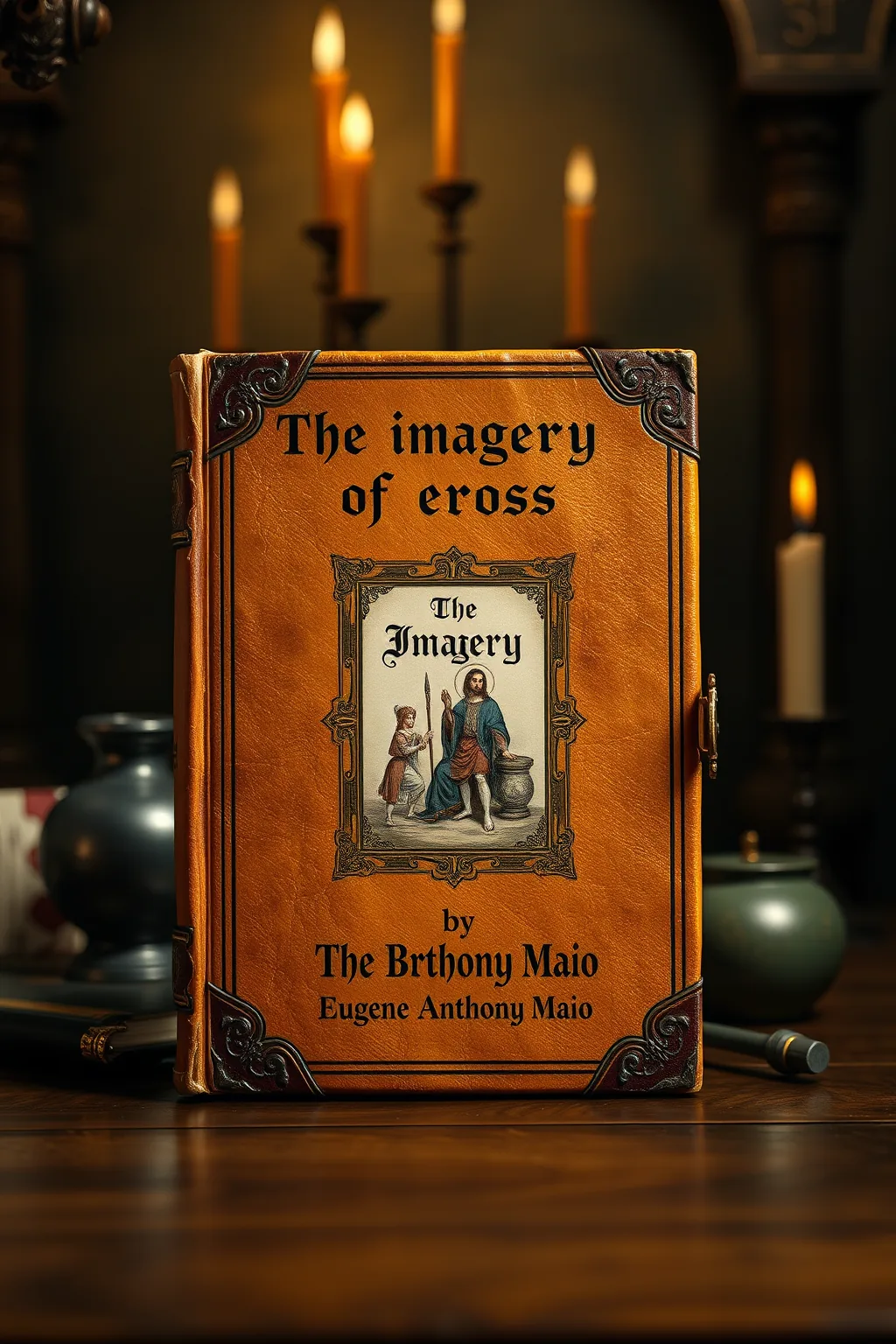
The imagery of eros : a study of the influence of Neoplatonism on the mystical writings of St. John of the Cross
 61
61

The imagery of eros : a study of the influence of Neoplatonism on the mystical writings of St. John of the Cross


Review by Marcus Thorne (Esoteric Sciences Reviewer) — Eugene Anthony Maio's 'The Imagery of Eros' is a groundbreaking exploration of the mystical writings of St. John of the Cross, viewed through the prism of Neoplatonism. Maio's work is a beacon for those seeking to uncover the esoteric insights hidden within these timeless texts. His meticulous analysis of St. John's symbolism and philosophical underpinnings offers a fresh perspective on the saint's spiritual journey. This book is an essential read for scholars of mysticism, practitioners of esoteric arts, and anyone intrigued by the deeper layers of spiritual literature. Maio's authoritative tone and deep understanding of both Neoplatonism and Christian mysticism make this a must-have for any serious student of the occult.
📝 Description
61
Eugene Anthony Maio's 1991 study connects Neoplatonism to St. John of the Cross's mystical imagery.
Eugene Anthony Maio's 'The Imagery of Eros' examines the connections between Neoplatonic philosophy and the mystical writings of St. John of the Cross. Published in 1991, the book focuses on the saint's poetry, identifying hidden symbolism and esoteric themes that inform his spiritual vision. Maio's analysis works to uncover the philosophical underpinnings of St. John's concept of divine eros, understood as the love that unites the soul with the divine. The book's tone encourages thoughtful reflection on the mystical union between the human and the divine.
This work is aimed at readers interested in the deeper layers of Christian mysticism and Neoplatonic thought. It seeks to offer a more complete understanding of St. John of the Cross's poetic and theological output by situating it within a broader philosophical tradition. Those who study esoteric practices or are drawn to the occult may find this study particularly illuminating for its detailed exploration of spiritual symbolism.
This book sits within the tradition of esoteric Christian thought, specifically examining how ancient Greek philosophical concepts, particularly Neoplatonism, were assimilated and transformed within medieval and early modern Christian mysticism. Neoplatonism, with its emphasis on ascent to the divine through intellectual and spiritual purification, provided a framework that mystics like St. John of the Cross could adapt to describe their direct experiences of God. Maio's work illuminates how this philosophical inheritance shaped the symbolic language and theological concepts used by the saint to articulate ineffable spiritual states.
💡 Why Read This Book?
Read 'The Imagery of Eros' to uncover the hidden symbolism and esoteric themes in St. John of the Cross's mystical writings. Ideal for seekers of spiritual enlightenment, scholars of Neoplatonism, and practitioners of the occult, this book offers a profound journey into the mystical union between the human and the divine. Maio's insightful analysis provides a deeper understanding of the divine eros, making it an essential read for those drawn to the mysteries of the soul.
⭐ Reader Reviews
Honest opinions from readers who have explored this book.
❓ Frequently Asked Questions
What is the primary focus of 'The Imagery of Eros'?
The primary focus is the influence of Neoplatonism on the mystical writings of St. John of the Cross, exploring the hidden symbolism and esoteric themes within his poetry.
Who would benefit most from reading this book?
Scholars of mysticism, practitioners of esoteric arts, and those interested in the deeper layers of spiritual literature will find this book particularly beneficial.
How does Maio's analysis contribute to the understanding of St. John's works?
Maio's analysis provides a fresh perspective by examining the Neoplatonic influences, revealing the rich symbolism and philosophical underpinnings that enhance the understanding of St. John's mystical journey.
What is the significance of the divine eros in this context?
The divine eros represents the love that binds the soul to the divine, a central theme in St. John's writings that Maio explores through the lens of Neoplatonism.
Is this book suitable for beginners in mysticism?
While beginners may find the book challenging, it offers a profound journey into the mystical union between the human and the divine, making it a valuable resource for those willing to delve deeper into the subject.
🔮 Key Themes & Symbolism
Divine Eros
The divine eros, or love that binds the soul to the divine, is a central theme in St. John's writings. Maio's analysis reveals how this theme is enriched by Neoplatonic philosophy, offering a deeper understanding of the mystical union between the human and the divine.
Symbolism in Mysticism
Maio's work explores the strong symbolism embedded in St. John's poetry, uncovering the esoteric themes that underpin his mystical writings. This exploration provides a profound journey into the hidden layers of spiritual literature.
Neoplatonic Influences
The book examines the influence of Neoplatonism on St. John's mystical journey, highlighting how this philosophical tradition enriches the understanding of his spiritual experiences and writings. Maio's analysis offers a fresh perspective on the saint's clear insights.
💬 Memorable Quotes
Direct passages from the work, attributed to the author.
“Love is the bridge that connects the human to the divine.”
— Maio highlights how the divine eros serves as the connecting force between the soul and the divine, a central theme in St. John's writings.
“Symbolism in mysticism reveals the hidden truths of the divine.”
— Maio's analysis of St. John's symbolism reveals the esoteric insights that enrich the understanding of his mystical writings.
💡 Key Ideas
Editorial paraphrase of the work's core concepts — not direct quotes.
The soul that longs for union with the divine must first pass through the darkness of the night.
This quote emphasizes the necessity of spiritual purification and the journey through the 'dark night of the soul' before achieving mystical union.
The mystical experience is a journey of the soul seeking its true home.
This passage underscores the spiritual quest for divine union, a theme that Maio explores through the lens of Neoplatonic philosophy.
The soul's ascent to the divine is a journey of love and longing.
This quote emphasizes the central role of divine eros in the mystical journey, as explored in Maio's scholarly work.
🌙 Esoteric Significance
Tradition
This book belongs to the Hermetic tradition, which seeks to uncover the hidden knowledge and symbolism within spiritual texts. Maio's analysis of St. John's writings reveals the esoteric insights that enrich the understanding of his mystical journey.
Symbolism
Key symbols in the book include the 'dark night of the soul,' the divine eros, and the mystical union between the human and the divine. These symbols represent the spiritual purification and the journey towards divine union, central themes in St. John's writings.
Modern Relevance
Today, practitioners of esoteric arts and seekers of spiritual enlightenment continue to draw from Maio's insights. His work provides a profound journey into the mystical union between the human and the divine, offering a deeper understanding of the divine eros and the symbolism within St. John's poetry.
👥 Who Should Read This Book
Beginners in mysticism may find the book challenging but rewarding, as it offers a profound journey into the mystical union between the human and the divine. Scholars of Neoplatonism and Christian mysticism will appreciate Maio's meticulous analysis of the symbolism and philosophical underpinnings. Spiritual seekers and practitioners of the occult will find valuable insights into the hidden knowledge and esoteric themes within St. John's writings. Ideal for those drawn to the mysteries of the soul and the deeper layers of spiritual literature.
📜 Historical Context
Written during a time of significant spiritual and philosophical exploration, 'The Imagery of Eros' sheds light on the influence of Neoplatonism on Christian mysticism. St. John of the Cross, a prominent figure in the Spanish Renaissance, drew from Neoplatonic thought to express his profound spiritual experiences. Maio's work highlights the enduring relevance of these ideas, influencing contemporary scholars and practitioners of esoteric arts. The book's exploration of hidden symbolism and esoteric themes has made it an important text for those seeking to understand the deeper layers of spiritual literature.
📔 Journal Prompts
Reflect on the concept of the 'dark night of the soul' and its significance in your spiritual journey.
How does the divine eros influence your understanding of the mystical union between the human and the divine?
Explore the symbolism in St. John's writings and its relevance to your spiritual practices.
Consider the influence of Neoplatonic philosophy on your understanding of mysticism.
Write about a personal experience that speaks to the themes of spiritual purification and divine union.
🗂️ Glossary
Divine Eros
The love that binds the soul to the divine, a central theme in St. John's writings and Neoplatonic philosophy.
Mystical Union
The spiritual experience of union between the human soul and the divine, explored through Neoplatonic thought and St. John's poetry.
Dark Night of the Soul
A period of spiritual purification and darkness that precedes the mystical union, as described in St. John's writings.
Neoplatonism
A philosophical tradition that emphasizes the unity of the soul with the divine, influencing St. John's mystical journey.
Symbolism in Mysticism
The use of hidden symbols and esoteric themes to convey spiritual truths, as explored in Maio's analysis of St. John's writings.
This book appears in 6 collections
🔮 Readers Also Liked
Browse all →









From the “Christian Mysticism” Collection
View all →





More Free Alchemy & Hermeticism Books
View all →