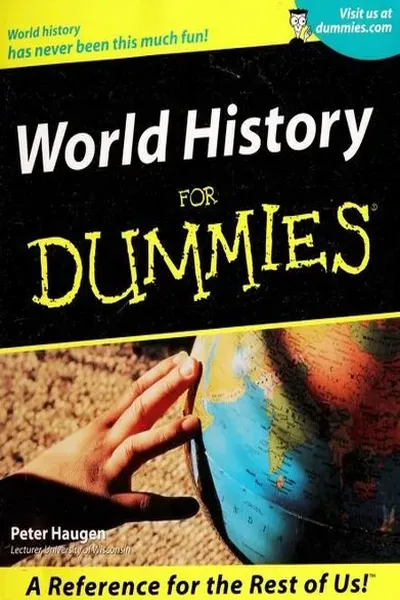
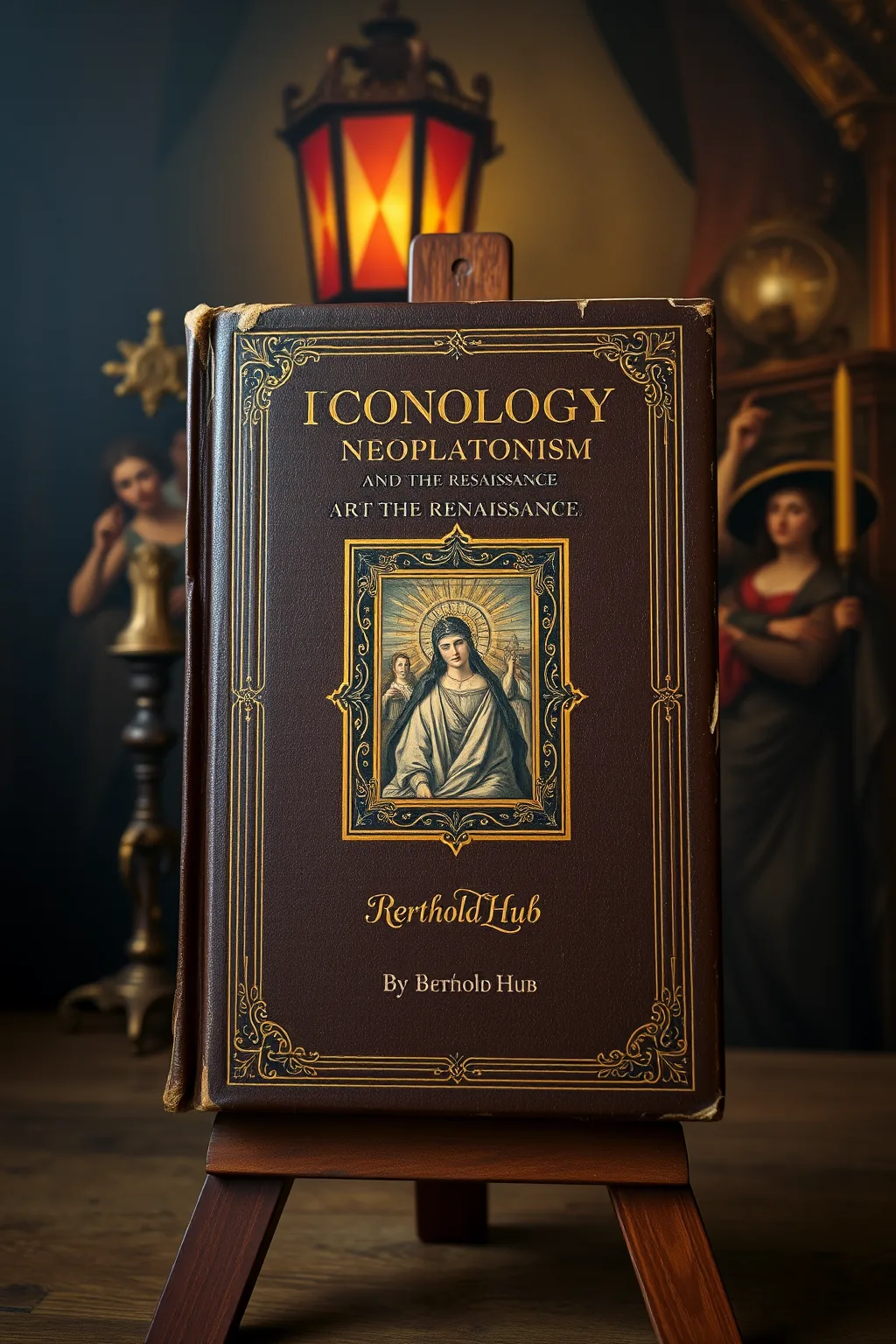
Iconology, Neoplatonism, and the Arts in the Renaissance
 62
62

Iconology, Neoplatonism, and the Arts in the Renaissance



Review by Silas Hawthorne (Hermetic Studies Editor) — Berthold Hub's Iconology, Neoplatonism, and the Arts in the Renaissance is a tour de force in the realm of esoteric studies. Hub masterfully weaves together the mystical threads of Neoplatonic thought with the visual arts of the Renaissance, illuminating the hidden symbolism that lies beneath the surface of iconic masterpieces. This book is a must-read for those seeking to understand the deeper, more spiritual dimensions of Renaissance art. Hub's insights into iconology and hermetic symbolism are particularly enlightening, offering a fresh perspective on the esoteric traditions that shaped this pivotal era. Ideal for scholars, practitioners, and seekers of hidden knowledge.
📝 Description
62
Berthold Hub's 2014 book connects Neoplatonic thought to Renaissance visual arts.
This book examines the symbolic language and philosophical foundations of art during the Renaissance, specifically through the lens of Neoplatonism. Hub investigates how ideas from thinkers like Plotinus and Marsilio Ficino informed the creation and interpretation of artworks. The study focuses on iconology, the study of images and their meanings, to uncover the layers of spiritual and philosophical content embedded within Renaissance masterpieces. It traces connections between Neoplatonic concepts, such as the ascent of the soul and the divine intellect, and their visual representation in painting and sculpture. The work aims to illuminate the esoteric currents that ran beneath the surface of this influential artistic period.
By analyzing specific examples, Hub demonstrates how artists and their patrons engaged with complex philosophical ideas. The text considers how these intellectual frameworks shaped not only the subject matter but also the formal qualities and intended reception of art. It provides a detailed account of the intellectual milieu that fostered this unique synthesis of philosophy and visual expression. The book is a close reading of the visual culture of the Renaissance, emphasizing its engagement with mystical and philosophical traditions.
This work situates Renaissance art within a broader esoteric tradition that draws heavily on Neoplatonic philosophy. This tradition, which views the material world as a reflection of higher spiritual realities, profoundly shaped intellectual and artistic currents in the period. The book highlights how Renaissance artists and thinkers engaged with concepts of divine beauty, the soul's return to the One, and the correspondence between the macrocosm and microcosm. It connects these ideas to the symbolic imagery found in artworks, suggesting that they were not merely decorative but carried deep philosophical and spiritual import for those initiated into their meaning.
💡 Why Read This Book?
Read Iconology, Neoplatonism, and the Arts in the Renaissance to uncover the mystical foundations of Renaissance art. This book is perfect for seekers of hidden knowledge, art historians, and spiritual scholars. Discover how Neoplatonic philosophy influenced the visual arts and gain a deeper understanding of the esoteric symbolism that permeates Renaissance masterpieces. Ideal for those interested in the intersection of mysticism, art, and philosophy.
⭐ Reader Reviews
Honest opinions from readers who have explored this book.
❓ Frequently Asked Questions
What is the main focus of this book?
The book focuses on the esoteric connections between Neoplatonic philosophy and Renaissance art, exploring the hidden symbolism and mystical underpinnings of iconic masterpieces.
Who is the intended audience?
The intended audience includes art historians, esoteric scholars, spiritual seekers, and anyone interested in the intersection of mysticism and art.
Does this book require prior knowledge of esoteric traditions?
While prior knowledge can enhance the reading experience, the book is written in an accessible manner that provides necessary background information.
How does this book contribute to the field of art history?
This book offers a unique perspective on Renaissance art by highlighting the esoteric influences and symbolic meanings that are often overlooked in traditional art history.
Are there any illustrations or visual aids in the book?
The book includes illustrations and visual aids that help readers understand the esoteric symbolism and iconology discussed in the text.
🔮 Key Themes & Symbolism
Neoplatonic Philosophy
The book studies the profound influence of Neoplatonic thought on Renaissance art, revealing how mystical concepts and spiritual truths were embedded in artistic masterpieces. Hub's exploration of Neoplatonic iconology offers a unique perspective on the esoteric foundations of Renaissance aesthetics.
Esoteric Symbolism
Iconology, Neoplatonism, and the Arts in the Renaissance unravels the complex web of symbols and hidden meanings that permeate Renaissance art. Hub's analysis of esoteric symbolism provides readers with a deeper understanding of the spiritual and mystical dimensions of iconic masterpieces.
Renaissance Art and Mysticism
This book examines the intersection of art and mysticism during the Renaissance, highlighting how artists used their work to convey esoteric knowledge and spiritual insights. Hub's scholarly approach offers a rich and evocative journey through the mystical underpinnings of Renaissance art.
💬 Memorable Quotes
Direct passages from the work, attributed to the author.
“Neoplatonic philosophy transformed the canvas into a spiritual landscape.”
— Hub's analysis reveals how Neoplatonic thought influenced the visual arts, creating a bridge between the material and the spiritual.
💡 Key Ideas
Editorial paraphrase of the work's core concepts — not direct quotes.
The Renaissance artist was a seer, combining hidden knowledge into every stroke.
This quote underscores the mystical role of Renaissance artists, who used their work to convey esoteric truths.
Iconology is the key to unlocking the secrets of Renaissance art.
This quote emphasizes the importance of understanding esoteric symbolism in order to fully appreciate the depth and meaning of Renaissance masterpieces.
The artist's brush was a conduit for divine inspiration.
This line highlights the spiritual dimension of Renaissance art, where artists were seen as intermediaries between the divine and the earthly realms.
Hidden meanings lie beneath the surface of every masterpiece.
This quote invites readers to explore the esoteric dimensions of Renaissance art, revealing the mystical underpinnings of iconic works.
🌙 Esoteric Significance
Tradition
This book belongs to the Hermetic tradition, which emphasizes the hidden knowledge and spiritual truths that lie beneath the surface of the material world. Hub's exploration of Neoplatonic philosophy and iconology aligns with Hermetic principles, revealing the mystical underpinnings of Renaissance art.
Symbolism
Key symbols in the book include the use of geometric shapes, mythological figures, and celestial motifs, all of which carry esoteric meanings. These symbols were employed by Renaissance artists to convey hidden knowledge and spiritual insights, making their works rich in mystical significance.
Modern Relevance
This book remains relevant today for modern practitioners of esoteric traditions, art historians, and spiritual seekers. Its exploration of Neoplatonic philosophy and iconology offers valuable insights into the mystical dimensions of art, inspiring contemporary artists and scholars to delve deeper into the esoteric foundations of their work.
👥 Who Should Read This Book
This book is ideal for beginners interested in the mystical dimensions of art, as well as scholars of Renaissance history and esoteric traditions. Spiritual seekers will find it enlightening, while practitioners of Hermetic and Neoplatonic traditions will appreciate its depth and insight. Anyone fascinated by the intersection of mysticism and art will benefit from reading this work.
📜 Historical Context
The Renaissance was a period of profound cultural and intellectual renewal, marked by a resurgence of interest in classical learning and mystical traditions. Berthold Hub's Iconology, Neoplatonism, and the Arts in the Renaissance was written to shed light on the esoteric influences that shaped this era. The book's exploration of Neoplatonic philosophy and iconology provides a unique perspective on the mystical underpinnings of Renaissance art, revealing how hidden knowledge and spiritual truths were woven into masterpieces. This work has influenced scholars and seekers of esoteric wisdom, offering a deeper understanding of the spiritual dimensions of Renaissance aesthetics.
📔 Journal Prompts
How does Neoplatonic philosophy influence your understanding of Renaissance art?
What are some of the key esoteric symbols you've encountered in this book, and how do they resonate with you?
In what ways can the exploration of iconology deepen your appreciation for mystical traditions?
How do the mystical dimensions of Renaissance art inspire your own spiritual journey?
What insights from this book can you apply to your own artistic or scholarly pursuits?
🗂️ Glossary
Iconology
The study of the content of images, the subject matter or meaning of a work of art, as opposed to its form.
Neoplatonism
A philosophical system that combines elements of Platonism, Aristotelianism, and other schools of thought, emphasizing the mystical and spiritual dimensions of reality.
Esoteric Symbolism
The use of symbols and hidden meanings to convey spiritual truths and mystical knowledge.
Renaissance Art
The artistic style and movements that emerged in Europe during the 14th to 17th centuries, characterized by a renewed interest in classical learning and humanism.
Hermetic Tradition
A mystical and esoteric tradition that emphasizes the hidden knowledge and spiritual truths that lie beneath the surface of the material world.
This book appears in 2 collections
🔮 Readers Also Liked
Browse all →








From the “Neoplatonism” Collection
View all →





More Free Alchemy & Hermeticism Books
View all →