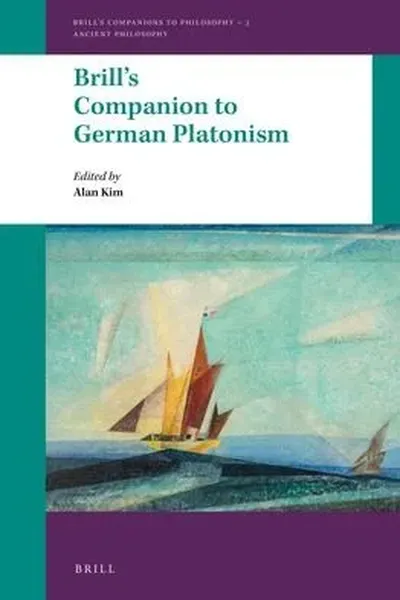
The Platonic doctrines of Albinus
 62
62

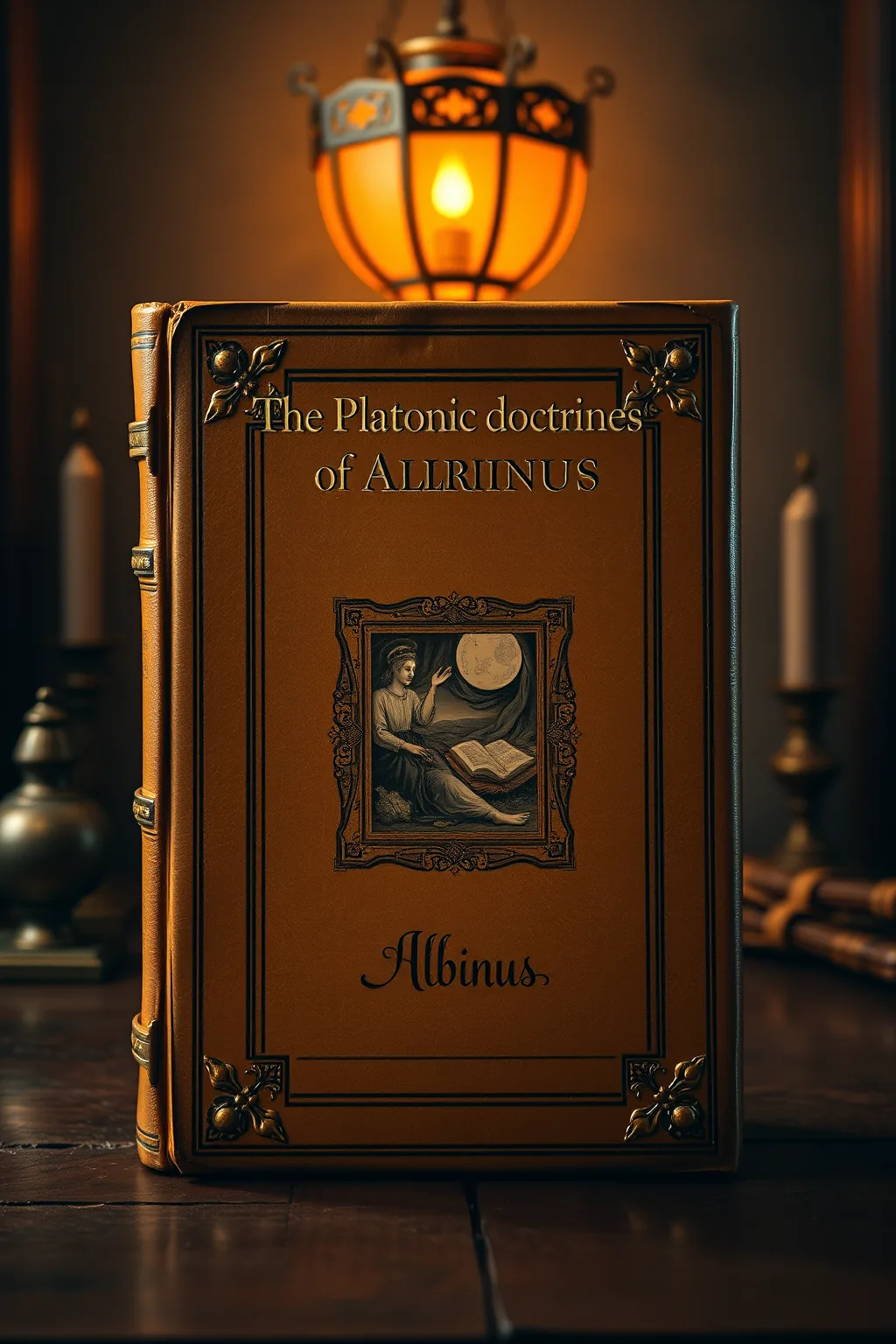
The Platonic doctrines of Albinus



Review by Silas Hawthorne (Hermetic Studies Editor) — 'The Platonic Doctrines of Albinus' is a masterpiece of esoteric literature, offering unparalleled insights into the mystical traditions of ancient Platonism. This translation of Alcinous's Didaskalikos is a treasure trove of hidden knowledge, providing readers with a unique perspective on the symbolic and philosophical teachings of Plato. The strengths of this work lie in its clarity and depth, making it accessible to both beginners and seasoned scholars. The esoteric insights contained within these pages are invaluable for anyone seeking to understand the deeper layers of Western mystical thought. This book is a must-read for those interested in the intersection of philosophy and the occult.
📝 Description
62
Albinus, a Middle Platonist philosopher, wrote 'The Platonic Doctrines' in the 2nd century AD.
This text presents the philosophical system of Albinus, a key figure in Middle Platonism. It outlines Plato's doctrines as understood in the 2nd century AD, acting as a link between Plato's original dialogues and the later Neo-Platonic interpretations. Albinus structures his work systematically, making complex philosophical ideas accessible. The book discusses the nature of the Forms, the role of the Demiurge, and the ascent of the soul towards the divine. It is written for a serious student of philosophy, aiming to clarify the core tenets of Platonism.
The doctrines discussed here include the existence of a transcendent God, the intermediary status of the divine intellect, and the concept of the soul's journey through the material world. Albinus's approach is notable for its clarity and methodical organization. The text offers insights into how Platonic philosophy was interpreted and taught during a period of significant intellectual development. It covers metaphysics, ethics, and theology within a coherent framework.
As a Middle Platonist work, Albinus's text fits within a philosophical tradition that sought to synthesize Plato's ideas with other streams of thought, including Pythagoreanism and Stoicism. This period saw a growing interest in the practical and spiritual dimensions of philosophy, moving beyond purely theoretical concerns. The Platonic doctrines, as presented by Albinus, were often interpreted through a lens that emphasized a hierarchical cosmos, divine mediation, and the possibility of mystical union with the divine. His work contributed to the intellectual climate that would later give rise to Neo-Platonism, a movement deeply concerned with esoteric knowledge and spiritual transformation.
💡 Why Read This Book?
Read 'The Platonic Doctrines of Albinus' to unlock the esoteric secrets of ancient Platonism. This book is ideal for seekers of hidden knowledge, scholars of early philosophical works, and practitioners of the occult. It offers a unique blend of mystical symbolism and intellectual rigor, making it a essential read for anyone interested in the deeper layers of Western thought.
⭐ Reader Reviews
Honest opinions from readers who have explored this book.
❓ Frequently Asked Questions
What is the significance of 'The Platonic Doctrines of Albinus'?
This work is significant because it is one of the few complete Platonist texts from the ancient world, bridging the gap between Plato and Neo-Platonism.
Who was Alcinous and why is his work important?
Alcinous was a Middle Platonist philosopher who wrote the Didaskalikos in the 2nd century AD. His work is important because it provides a comprehensive overview of Platonic doctrines, offering insights into both early and later developments of Platonism.
What themes are explored in this book?
The book explores themes such as the nature of the soul, the divine, and the structure of the universe, all through the lens of Platonic mysticism.
Who should read this book?
This book is ideal for seekers of hidden knowledge, scholars of ancient philosophy, and practitioners of the occult.
Is this book suitable for beginners?
While the book is accessible, it is best suited for readers with some background in ancient philosophy and esoteric studies.
🔮 Key Themes & Symbolism
The Nature of the Soul
Alcinous studies the mystical aspects of the soul, exploring its divine origins and its journey through the material world. This theme is central to understanding the Platonic view of human existence and its spiritual dimensions.
Divine Mysticism
The book provides clear insights into the divine realm, offering readers a glimpse into the mystical experiences that lie at the heart of Platonism. This theme is essential for those seeking to understand the spiritual underpinnings of ancient philosophy.
Symbolic Interpretations
Alcinous uses strong symbolism to convey complex philosophical ideas, making this work a rich source for those interested in the esoteric traditions of Western thought. This theme highlights the deep connection between symbolism and mystical understanding.
💡 Key Ideas
Editorial paraphrase of the work's core concepts — not direct quotes.
The soul is a divine substance that dwells in the body.
This quote underscores the Platonic belief in the divine nature of the soul and its temporary residence in the material world.
The universe is a harmonious whole, governed by divine principles.
This passage emphasizes the cosmic order and the divine laws that govern the universe, a central theme in Platonism.
Wisdom is the knowledge of divine things.
This quote highlights the mystical aspect of wisdom in Platonism, where true knowledge is seen as a divine revelation.
The path to enlightenment is through the purification of the soul.
This passage underscores the importance of spiritual purification in achieving enlightenment, a key concept in Platonic mysticism.
The divine is the source of all goodness and beauty.
This quote emphasizes the divine as the ultimate source of moral and aesthetic values, a fundamental belief in Platonism.
🌙 Esoteric Significance
Tradition
This book belongs to the Hermetic tradition, which emphasizes the mystical and esoteric aspects of ancient philosophy. It is a key text for those interested in the intersection of Platonism and the occult.
Symbolism
Key symbols in this work include the soul's journey, the divine realm, and the harmonious structure of the universe. These symbols are used to convey deep philosophical and mystical insights, making the text rich in esoteric meaning.
Modern Relevance
This book remains relevant today for modern practitioners of the occult and seekers of hidden knowledge. Its insights into Platonic mysticism continue to inspire contemporary esoteric studies and spiritual practices.
👥 Who Should Read This Book
Beginners in the field of esoteric studies will find this book to be a comprehensive introduction to Platonic mysticism. Scholars of ancient philosophy will appreciate its historical significance and depth of insight. Spiritual seekers will be drawn to its mystical themes and symbolic interpretations. Practitioners of the occult will find valuable esoteric knowledge and philosophical foundations within its pages.
📜 Historical Context
Written in the 2nd century AD, 'The Platonic Doctrines of Albinus' is a central work in the history of ancient philosophy. It bridges the gap between the early works of Plato and the later developments of Neo-Platonism, providing a comprehensive overview of Platonic doctrines. This period was marked by a resurgence of interest in mystical and esoteric traditions, making Alcinous's work particularly influential. The book's influence can be seen in the works of later philosophers and mystics, who drew upon its insights to develop their own interpretations of Platonism.
📔 Journal Prompts
Reflect on the nature of the soul as described in the book. How does this concept influence your understanding of human existence?
Explore the divine mysticism presented in 'The Platonic Doctrines of Albinus.' How does this theme resonate with your own spiritual beliefs?
Consider the symbolic interpretations in the text. How do these symbols enhance your understanding of Platonic philosophy?
Examine the historical context of the book. How does this period influence the themes and ideas presented?
Reflect on the modern relevance of Platonic mysticism. How can the insights from this book be applied to contemporary spiritual practices?
🗂️ Glossary
Middle Platonism
A philosophical school that developed during the Hellenistic period, blending Platonic ideas with elements of other philosophical traditions.
Didaskalikos
The original title of 'The Platonic Doctrines of Albinus,' meaning 'teachings' or 'instruction' in Greek.
Neo-Platonism
A later development of Platonism that emphasized mystical and esoteric interpretations of Plato's teachings.
Divine Mysticism
The belief in the divine nature of the universe and the mystical experiences that connect humans to the divine.
Symbolic Interpretations
The use of symbols to convey complex philosophical and mystical ideas, a key aspect of esoteric traditions.
This book appears in 3 collections
🔮 Readers Also Liked
Browse all →









From the “Neoplatonism” Collection
View all →






More Free Alchemy & Hermeticism Books
View all →